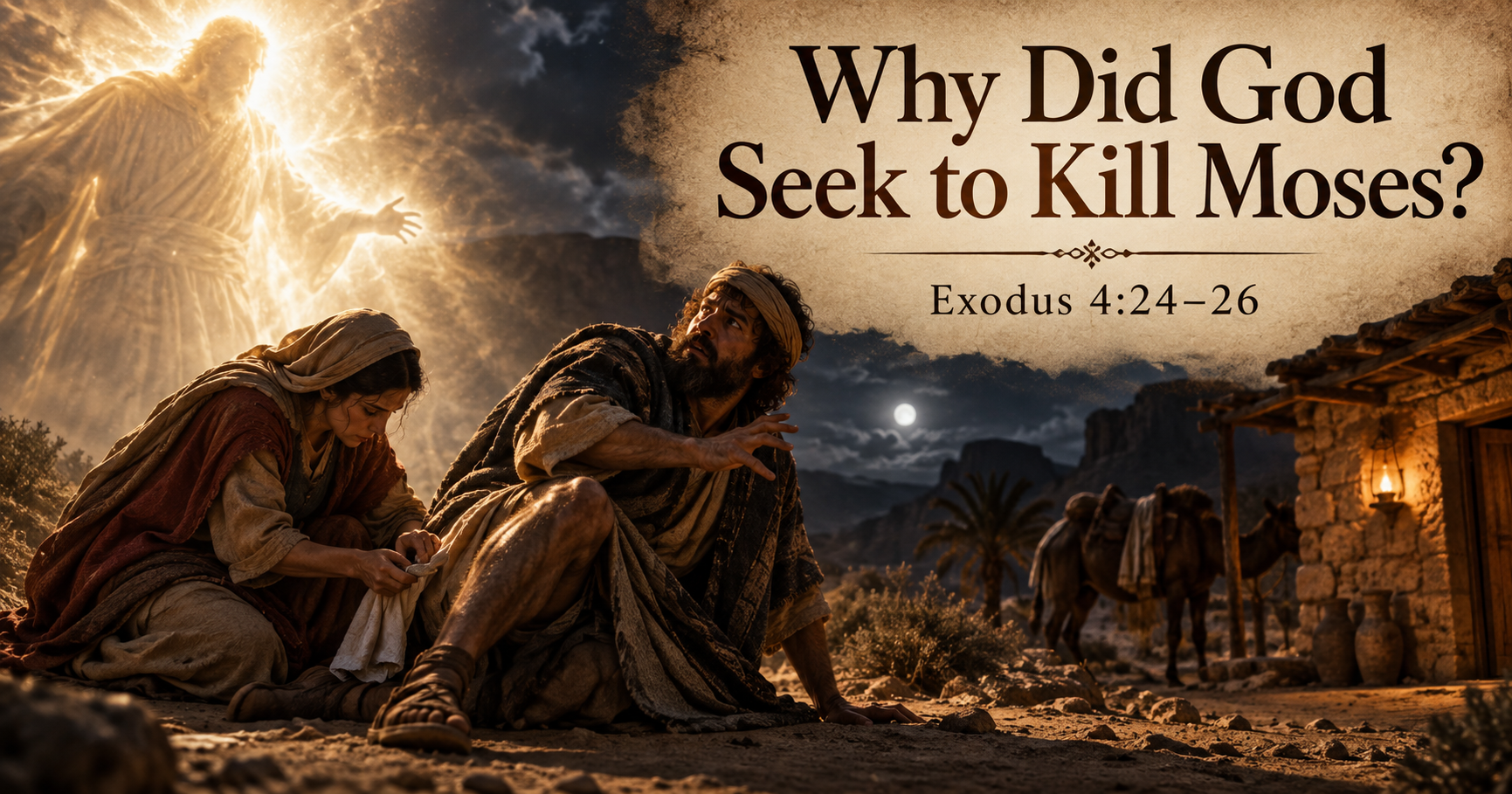
Why did God seek to kill Moses in Exodus 4? This shocking passage reveals the seriousness of covenant obedience and God’s holiness.

Genesis 36 uses “duke” to mean an Edomite chief or clan leader, not a European nobleman, showing Esau’s descendants’ early tribal rulers.
In Genesis 26:8, “sporting” means affectionate, intimate interaction between Isaac and Rebekah, revealing their true marital relationship.

Malachi rebukes dead religion, corrupt worship, and faithless leaders while proclaiming God’s covenant love, coming judgment, and Israel’s hope.

Zephaniah 2:14 shows Nineveh’s fall from proud city to desolate ruin, where wild birds and beasts nest among its abandoned buildings.
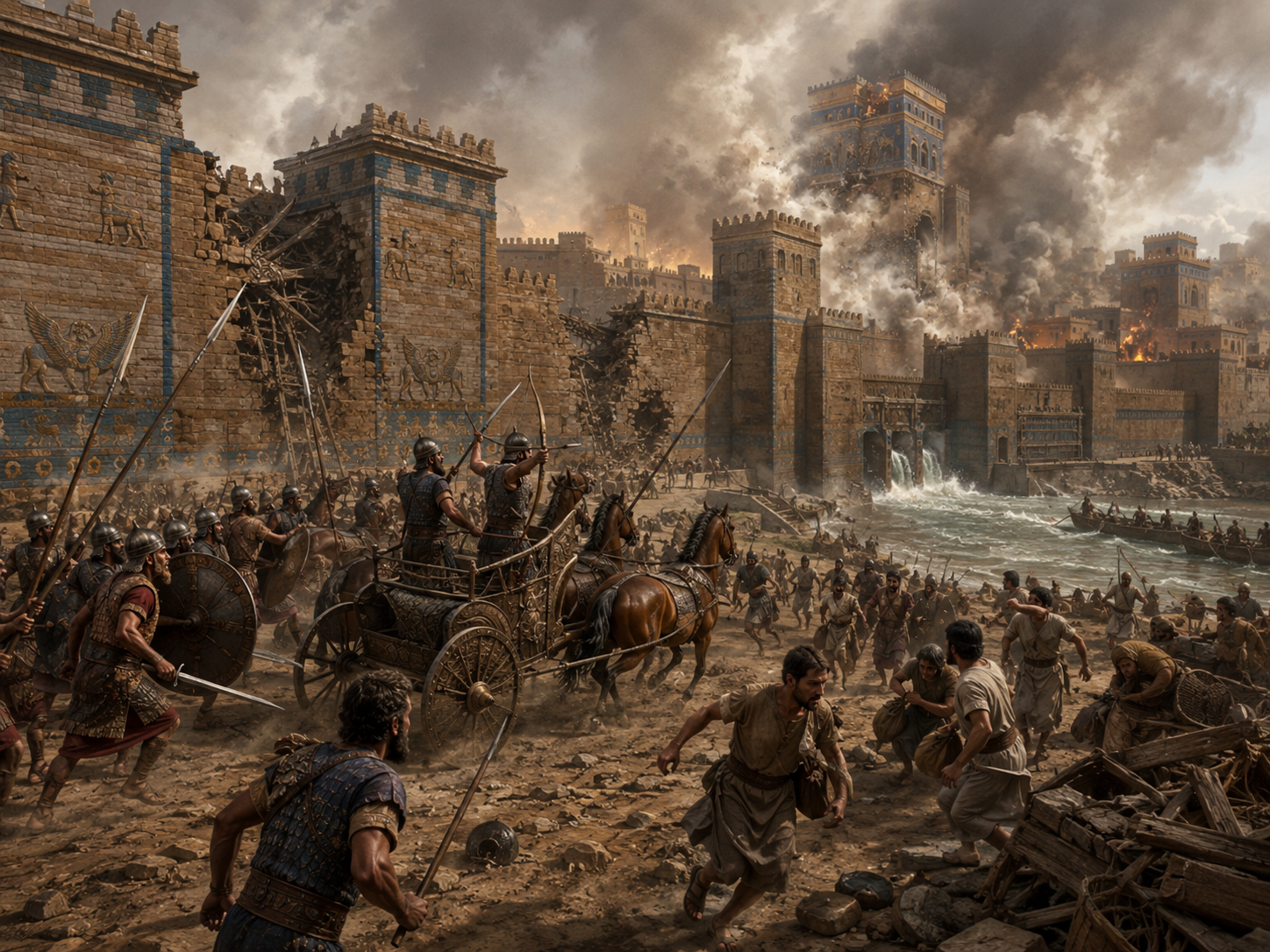
Nahum proclaims God’s judgment on Nineveh and His comfort for Judah, revealing the LORD’s holiness, justice, patience, and goodness.
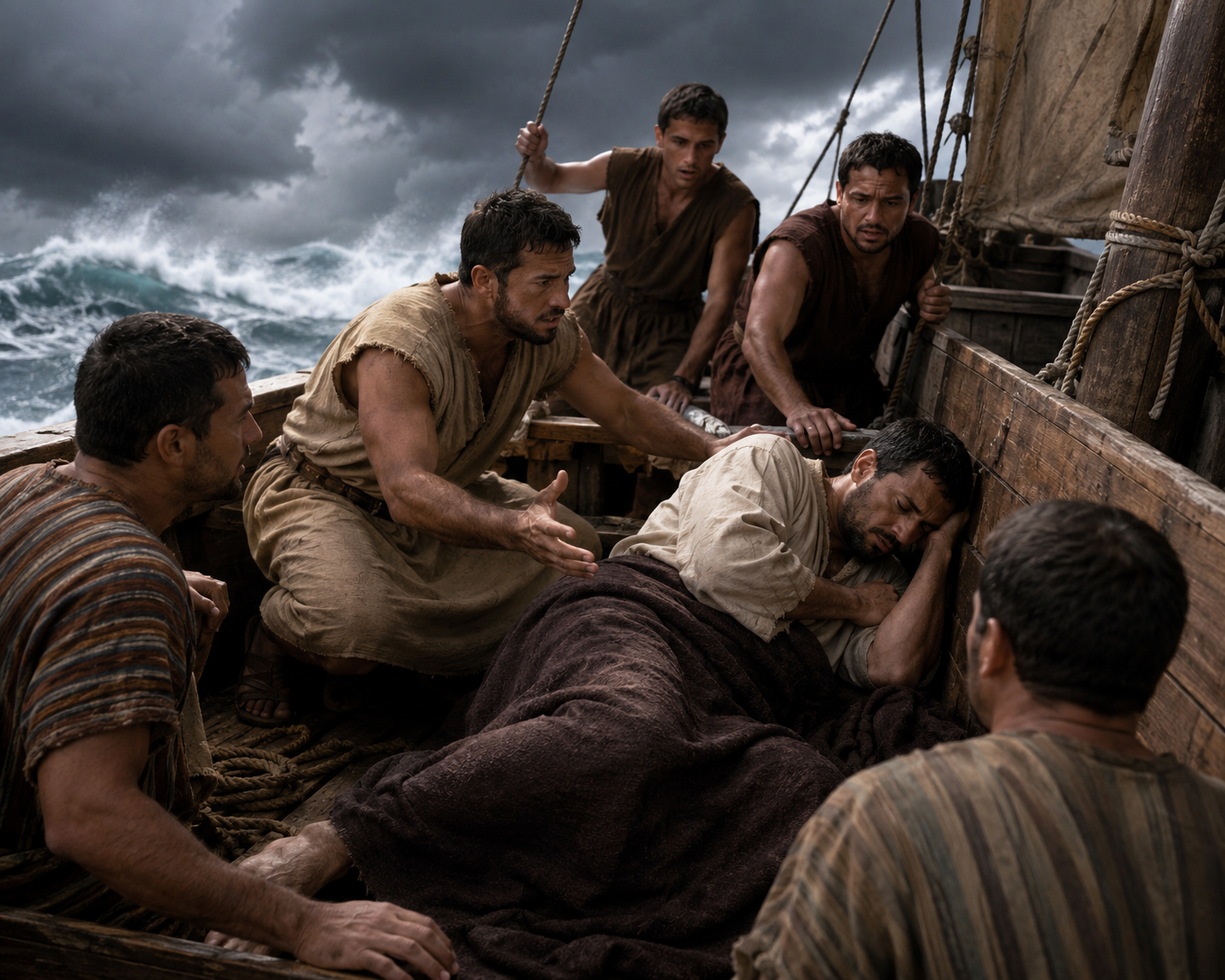
Jonah reveals God’s sovereignty, mercy, and judgment, while exposing disobedience and bitterness in His servant and pointing to Christ’s resurrection.

Obadiah warns that God judges pride, betrayal, and cruelty against Israel, while promising Zion’s deliverance and the coming kingdom of the LORD.
Amos 3:6 means calamity, not sin: God is holy, sovereign, and righteous in judgment over nations and cities.
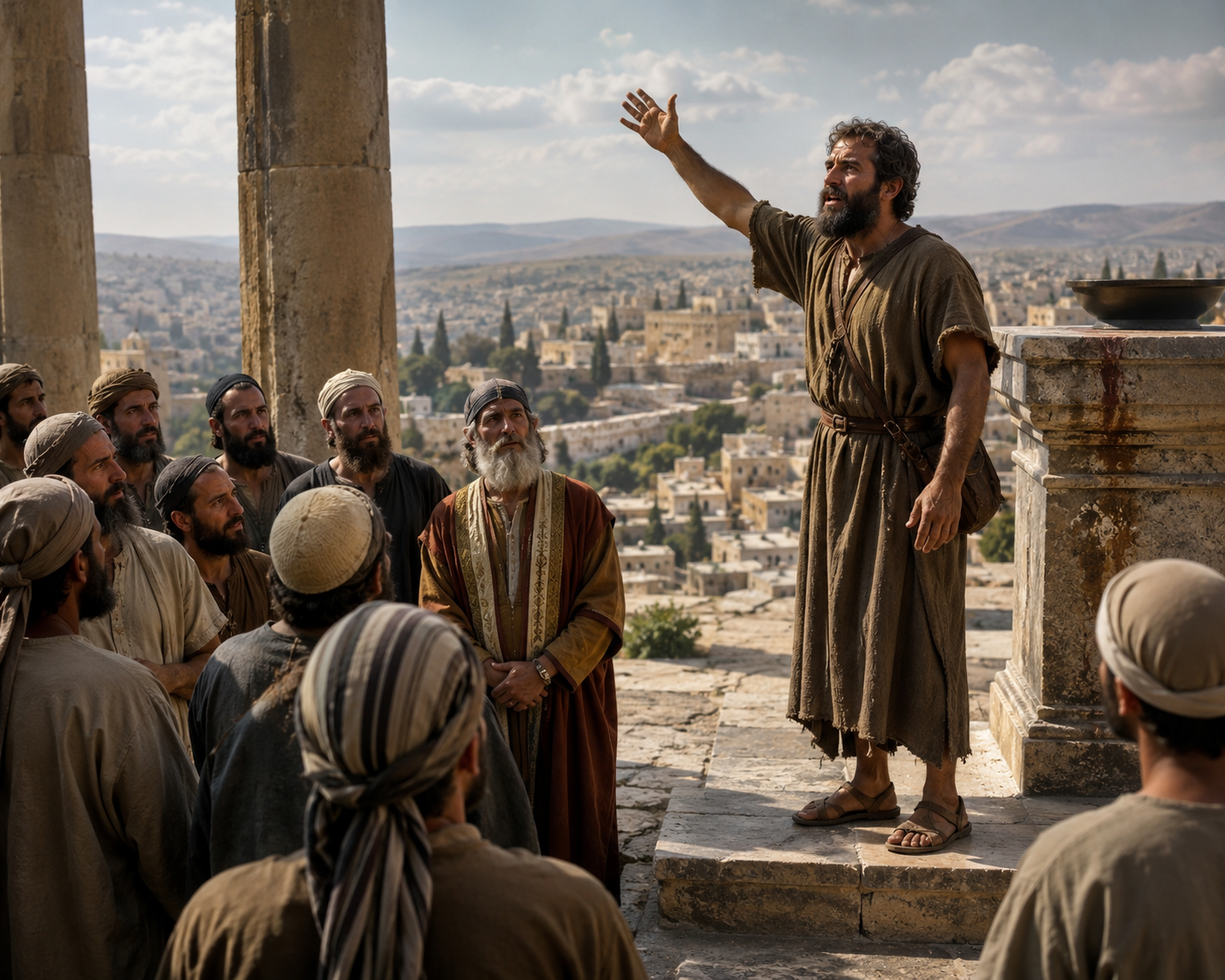
Amos 6–9 reveals Israel’s judgment for pride, false worship, and oppression, yet ends with hope: God restores David’s fallen kingdom.

Amos warns that God judges all nations, exposes hypocrisy, and calls His people to seek the Lord, uphold justice, and live.