
Genesis 36 uses “duke” to mean an Edomite chief or clan leader, not a European nobleman, showing Esau’s descendants’ early tribal rulers.
In Genesis 26:8, “sporting” means affectionate, intimate interaction between Isaac and Rebekah, revealing their true marital relationship.

Genesis 9 permits eating meat but forbids consuming blood, with Leviticus and Acts confirming the distinction clearly.
Genesis 6:4 mentions giants and sons of God, but Scripture’s focus is human corruption, divine judgment, and Noah’s grace—not myth or speculation.
Genesis 5:2 shows “Adam” as a collective name for mankind: male and female, one human race made in God’s image.
Genesis 6 reveals the “sons of God” as fallen angels, connecting their rebellion to Noah’s day, the Flood, and the rise of giants.

Jacob blesses Ephraim and Manasseh, prophesies over his sons, and reveals God’s providence as Joseph forgives and buries Jacob.

Genesis 45–47: Joseph reveals himself, Jacob journeys to Egypt, and God preserves Israel through famine, reunion, and provision.
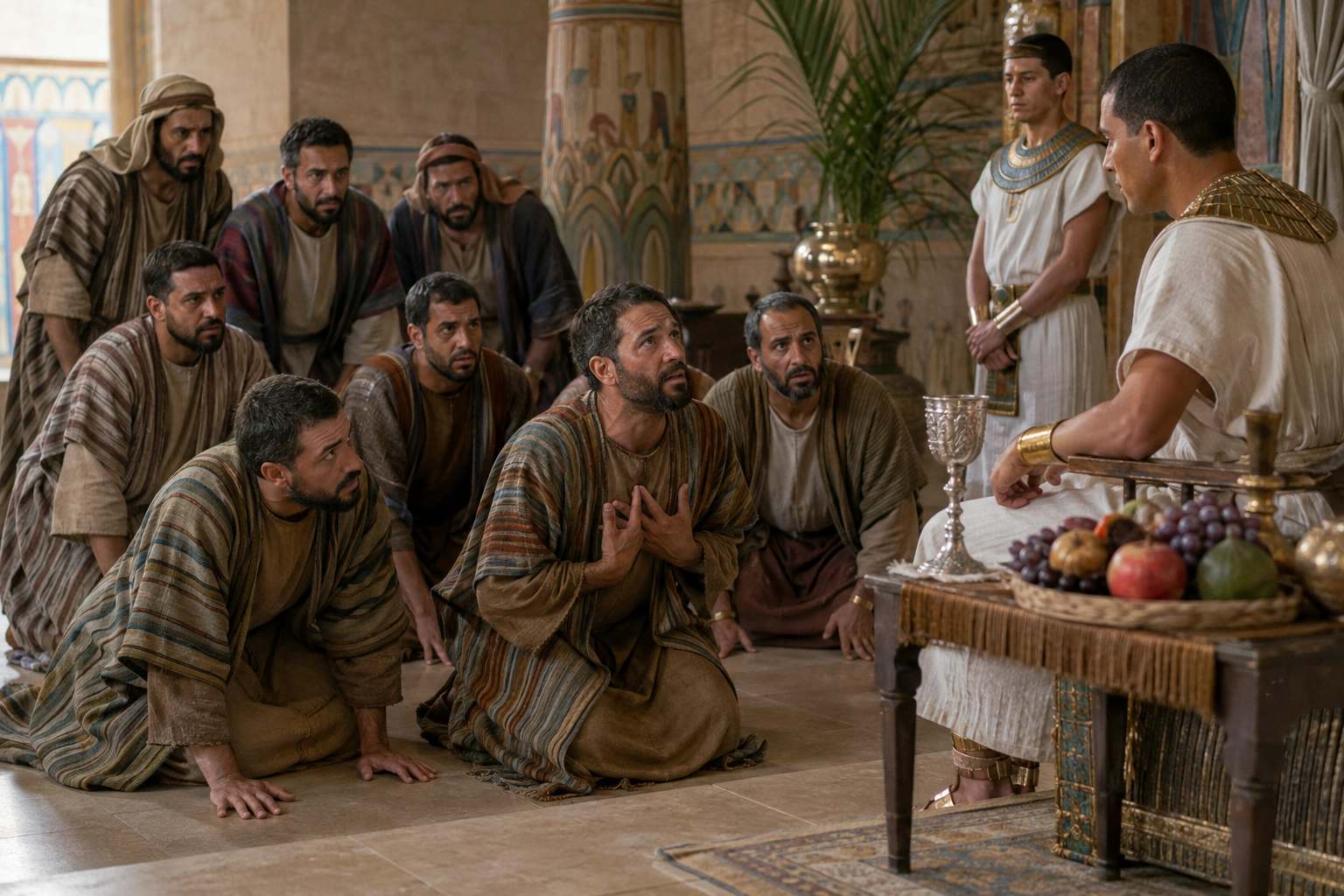
Genesis 42–44 traces Joseph’s tests of his brothers in Egypt, exposing guilt, restraint, and growing responsibility before his identity is revealed.

Genesis 40–41 shows Joseph’s God-given dream interpretations, Pharaoh’s troubling visions, and Joseph’s rise from prison to power in Egypt.
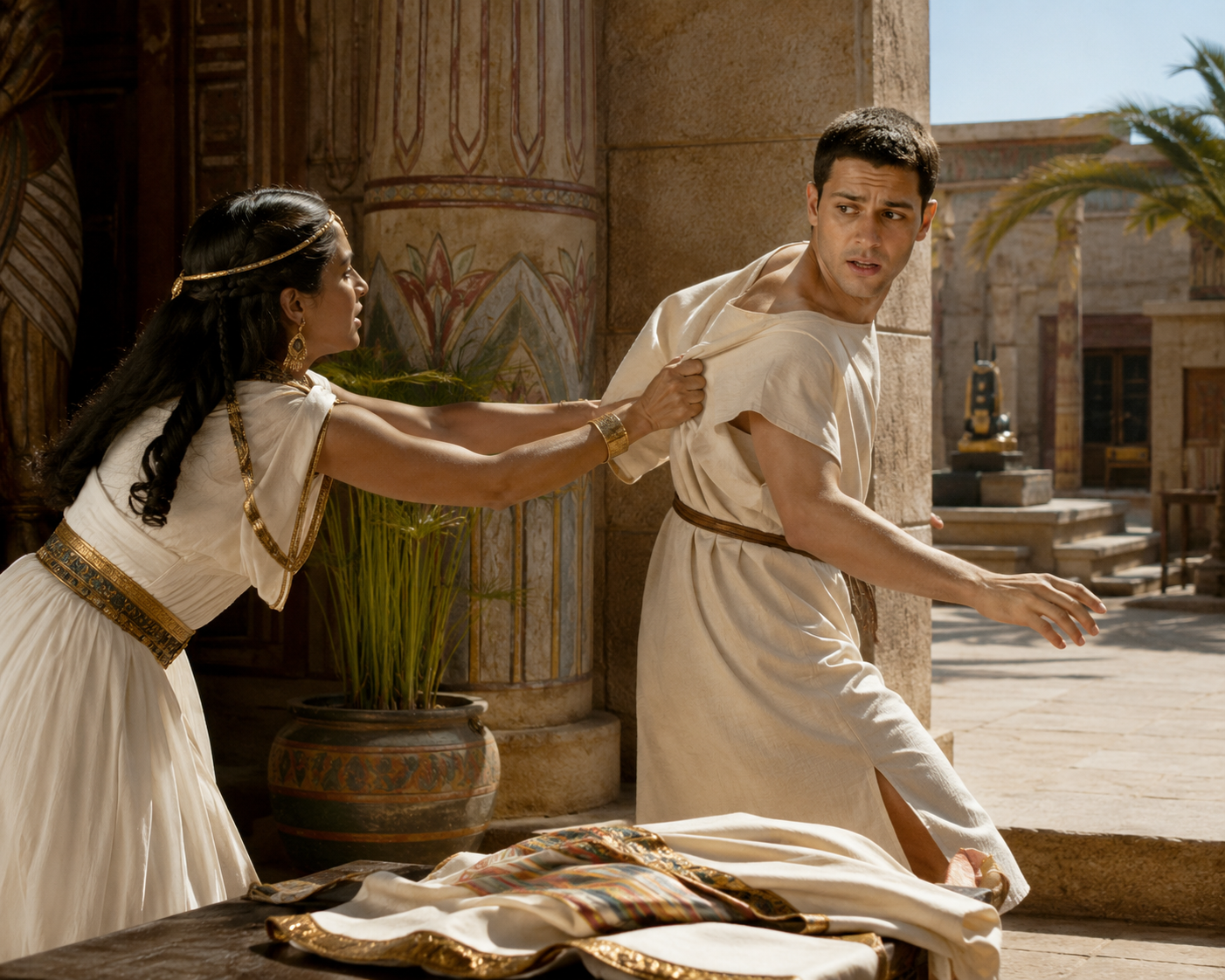
Genesis 37–39 reveals Joseph’s suffering, Judah’s sin, and the LORD’s steadfast presence, showing providence, purity, and faithfulness under pressure.