
Psalm 118 is the closing psalm of the Egyptian Hallel section, traditionally associated with praise, deliverance, […]
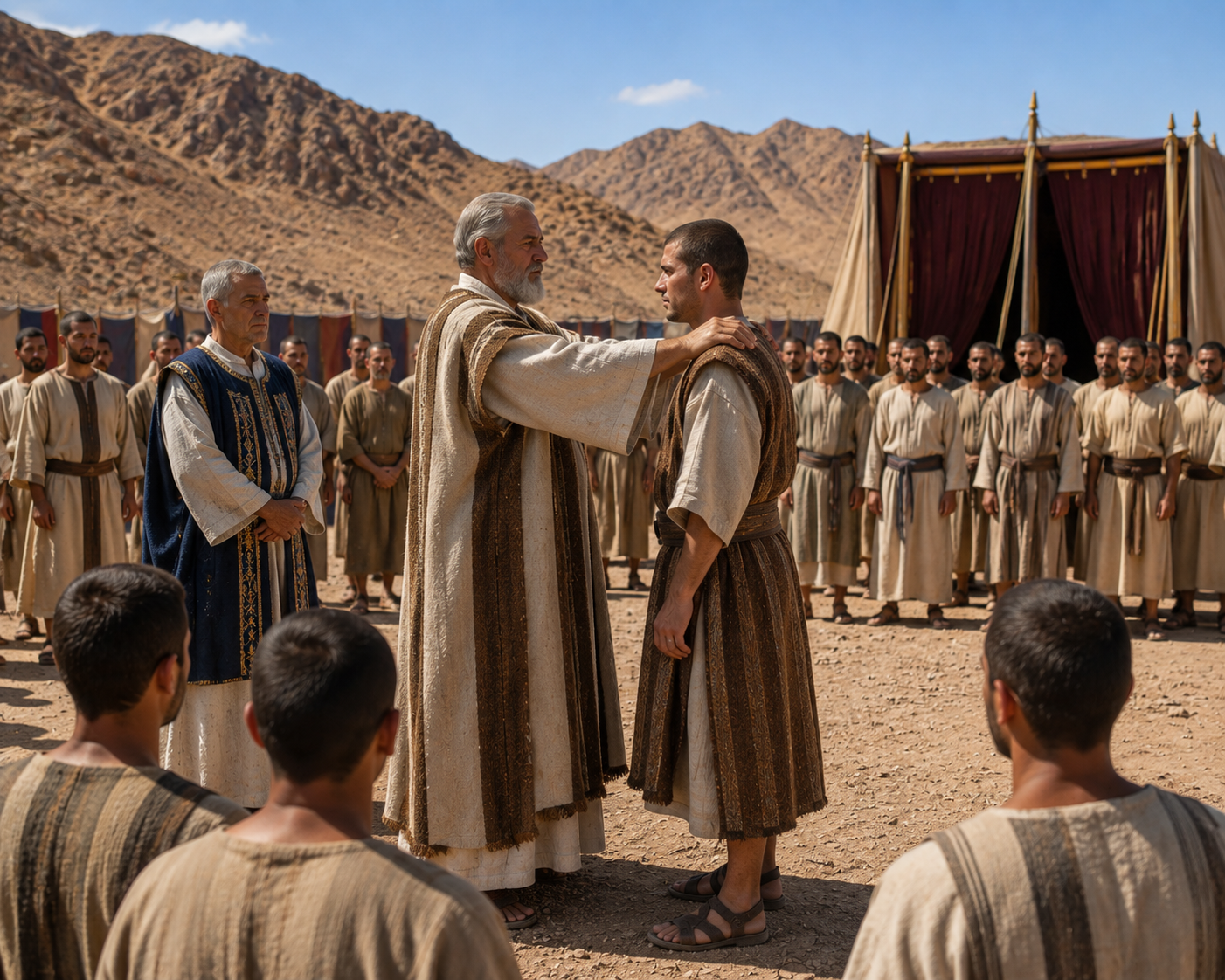
Numbers 27–30 shows God’s ordered guidance for Israel: inheritance, Joshua’s appointment, worship offerings, holy feasts, and vows under the LORD.

Leviticus 16–18 reveals God’s holy way of atonement, the sanctity of blood, and the call to moral separation and holiness.
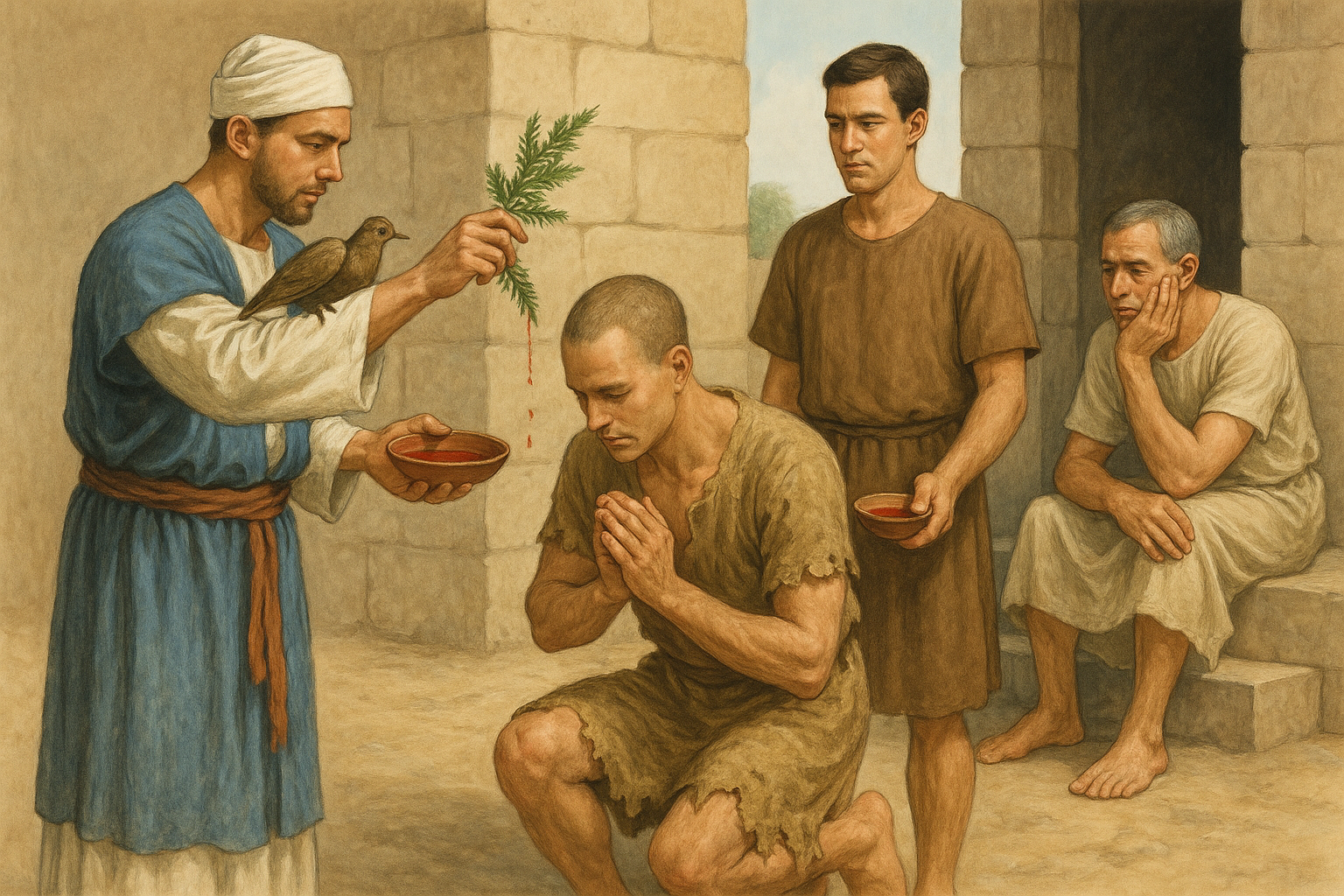
Leviticus 14–15 explains cleansing after leprosy and bodily uncleanness, showing God’s holiness and Israel’s need for ceremonial purity.
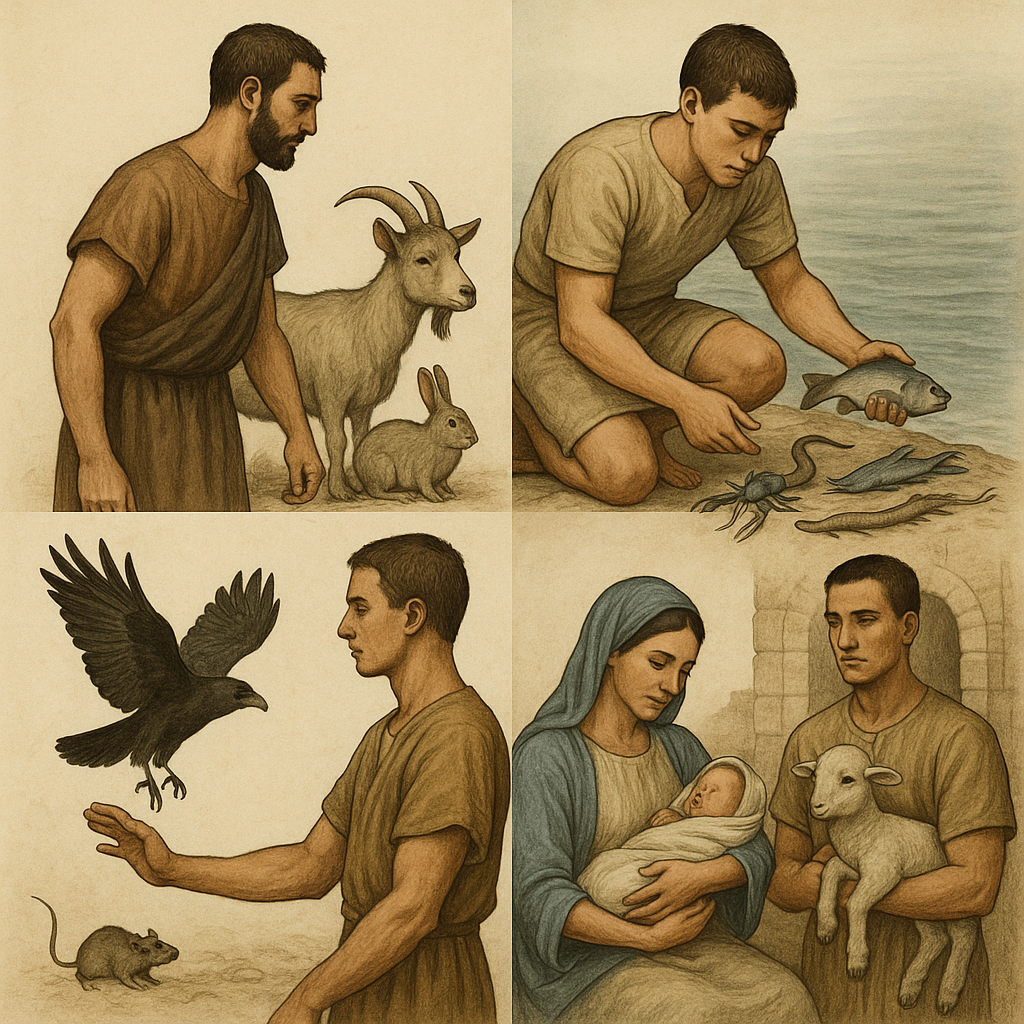
Leviticus 11–12 explains Israel’s clean and unclean laws, childbirth purification, and God’s call to holiness, obedience, and atonement.
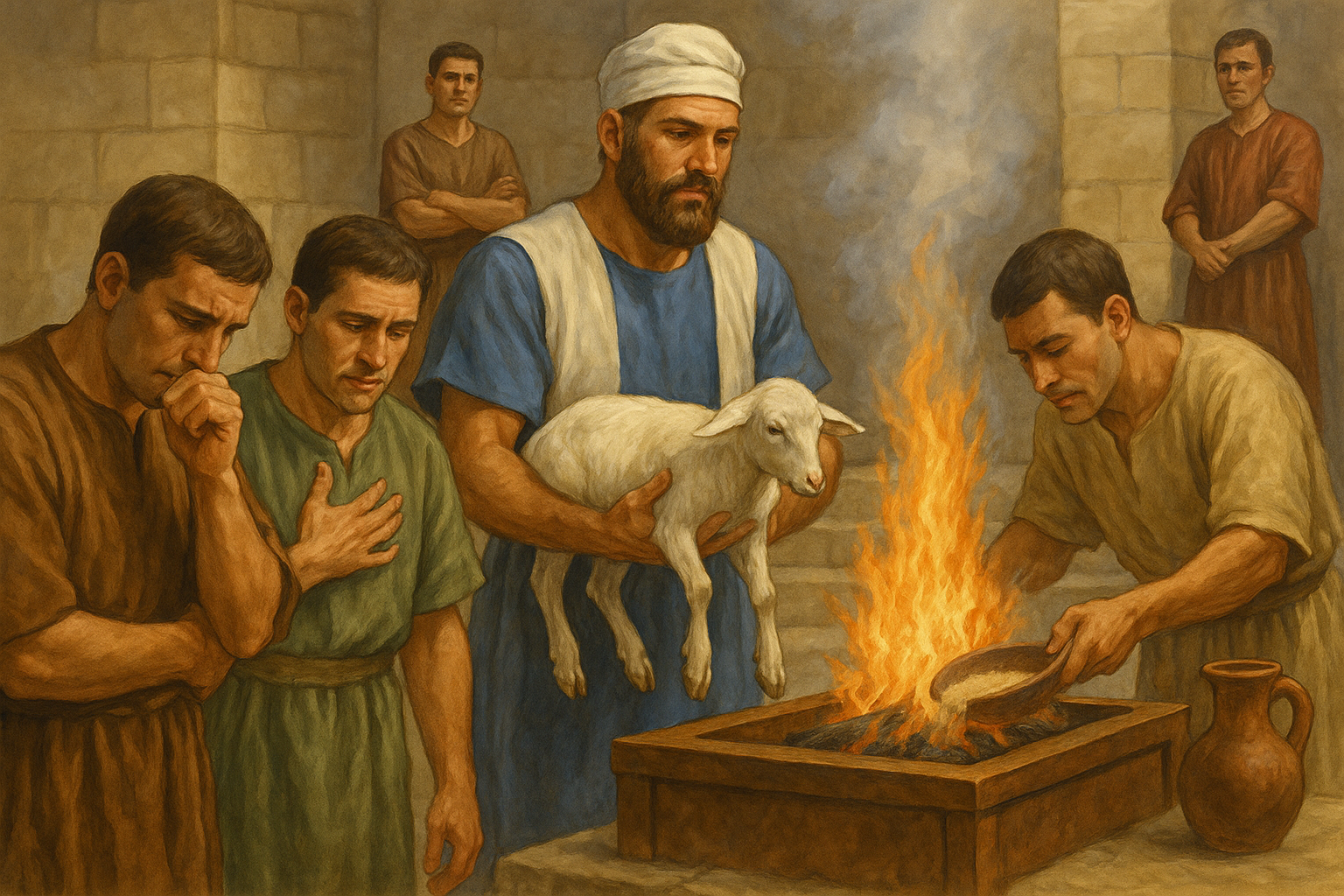
Leviticus 5–6 explains guilt, confession, restitution, and priestly sacrifice, showing God’s holiness, justice, and mercy under the Mosaic law.
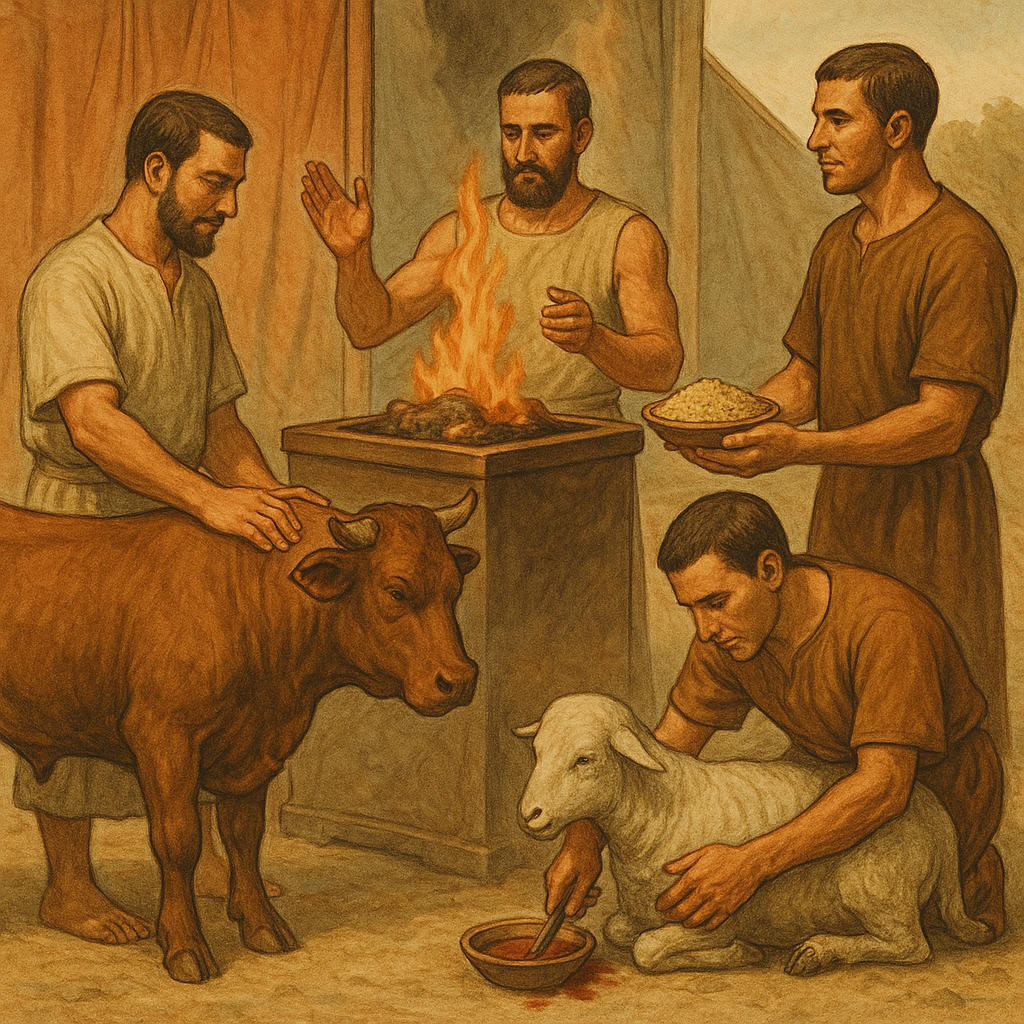
Leviticus 1–4 explains God’s sacrificial system, the meaning of atonement, and how these offerings point to Christ’s once-for-all sacrifice.
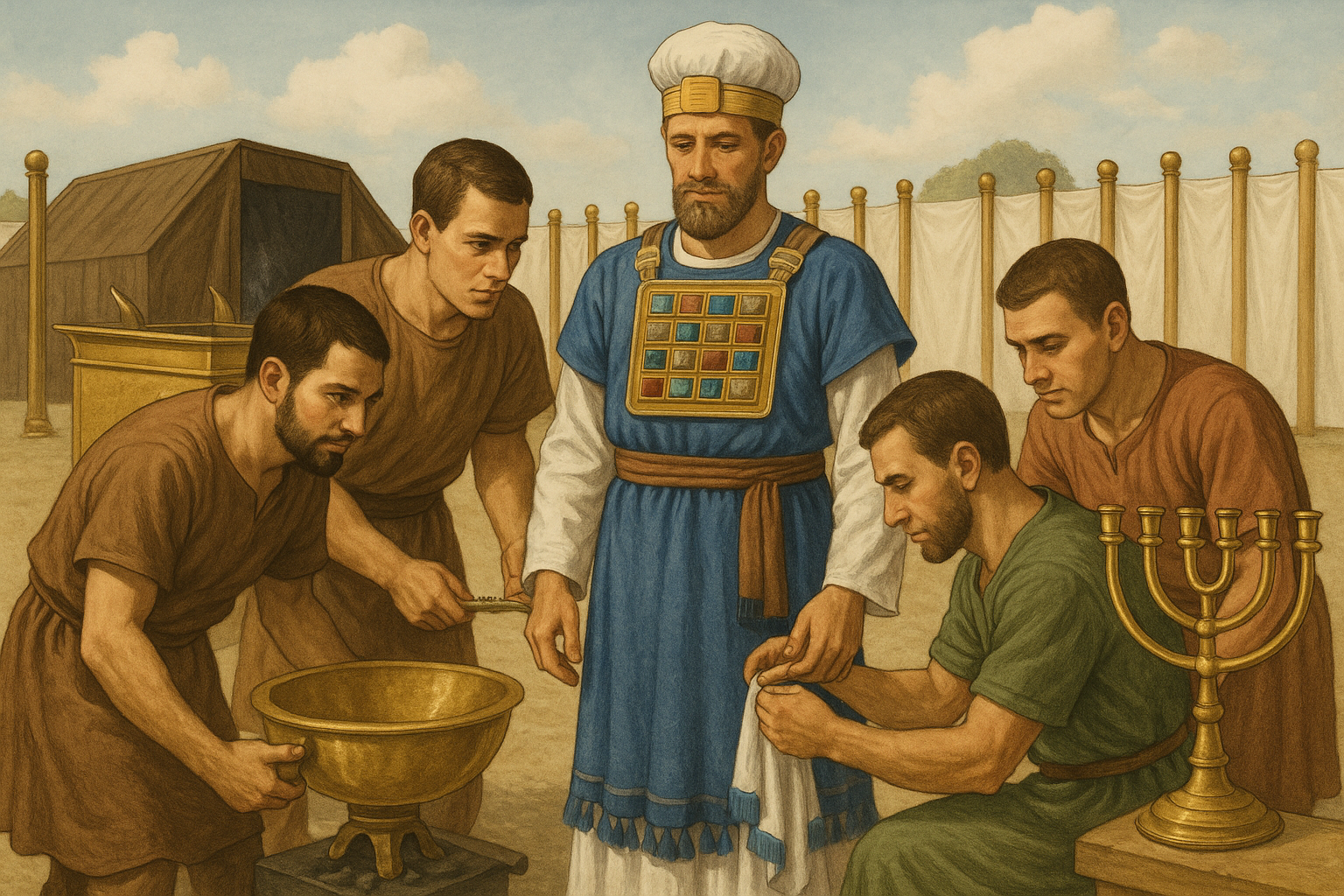
Exodus 38–40 concludes with the tabernacle completed, Moses’ inspection, and the glory of the LORD filling Israel’s sanctuary.
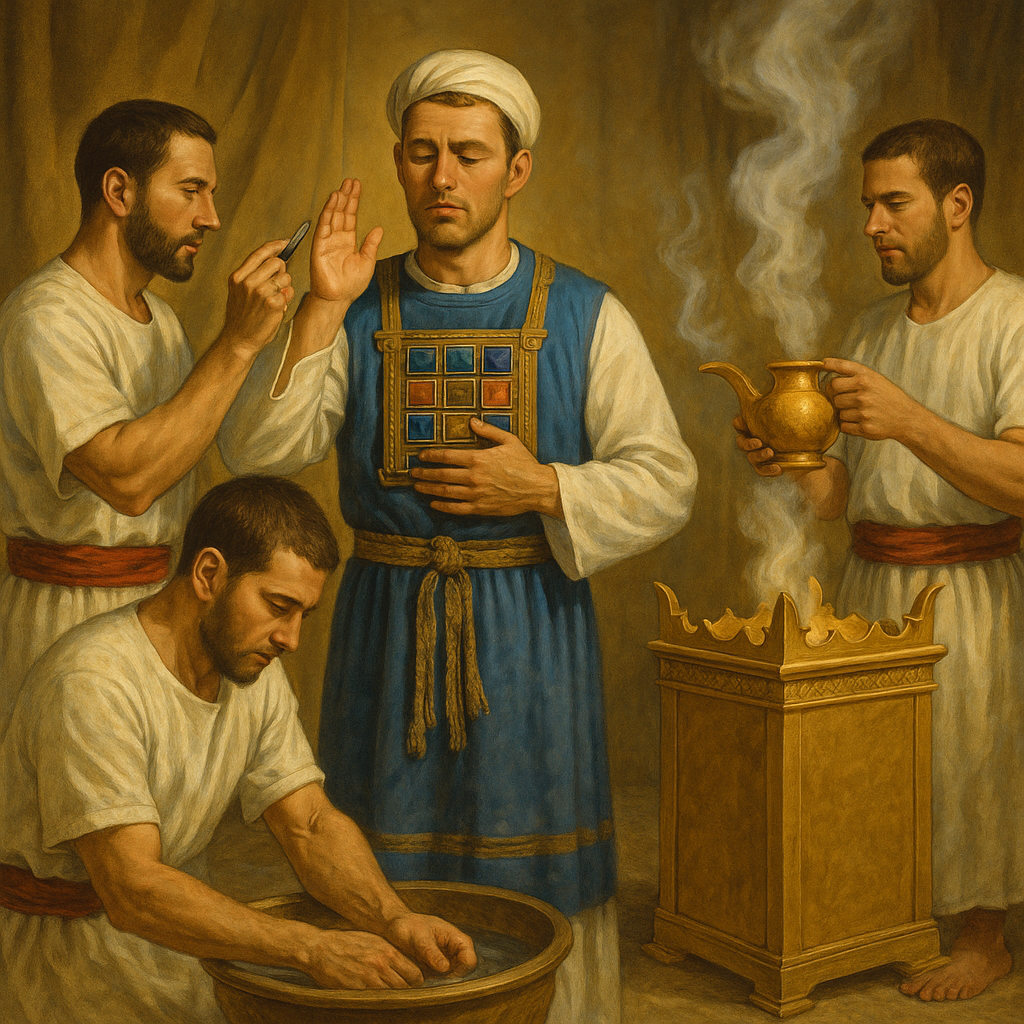
Exodus 29–30 reveals God’s holy instructions for priestly consecration, tabernacle worship, atonement, and Israel’s covenant worship.