
Numbers 31 reveals God’s holy judgment on Midian, Israel’s purification, Balaam’s death, and lessons on obedience, sin, and divine authority.
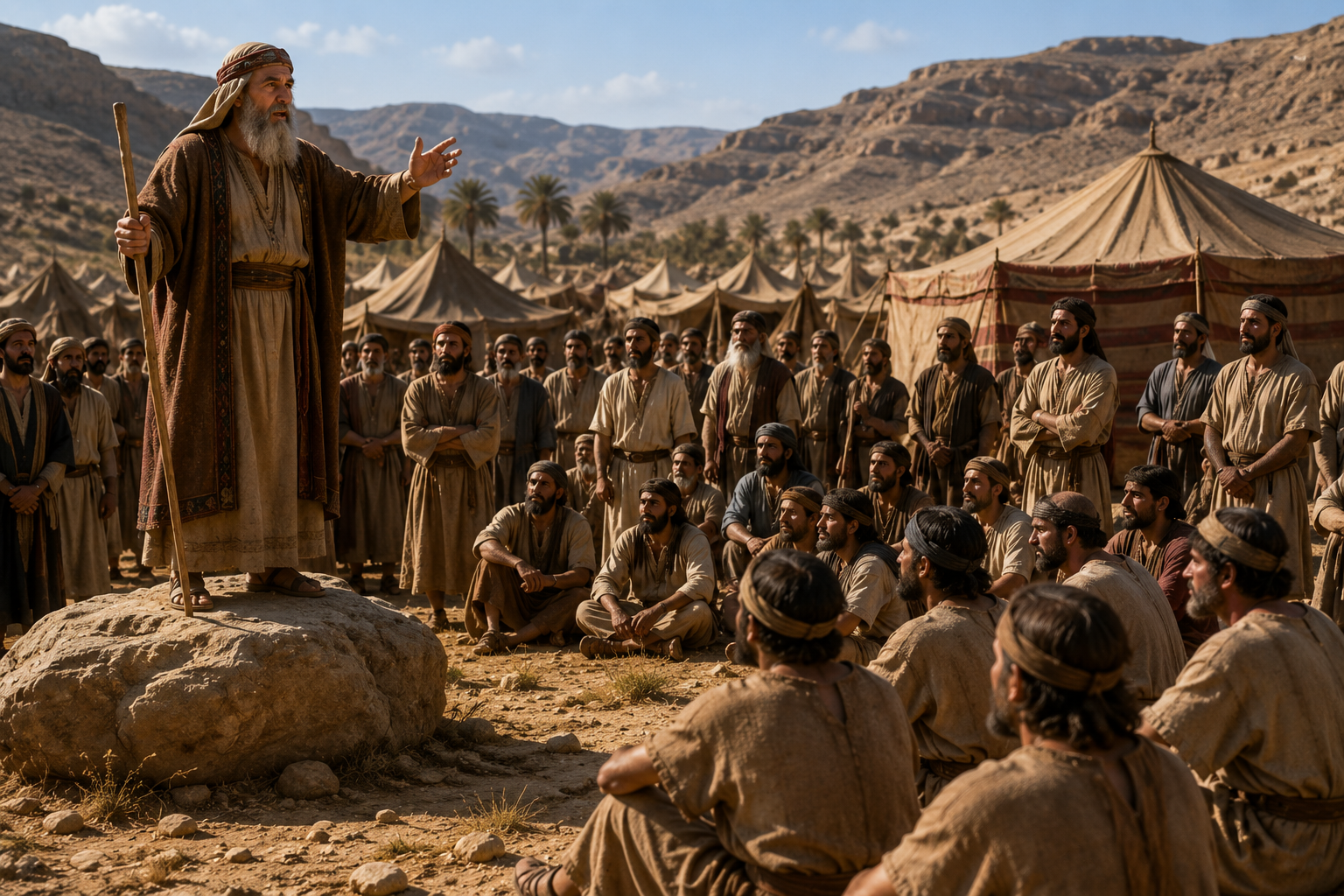
Numbers 24–26 records a major transition in Israel’s wilderness history. Numbers 24 closes Balaam’s attempts to […]
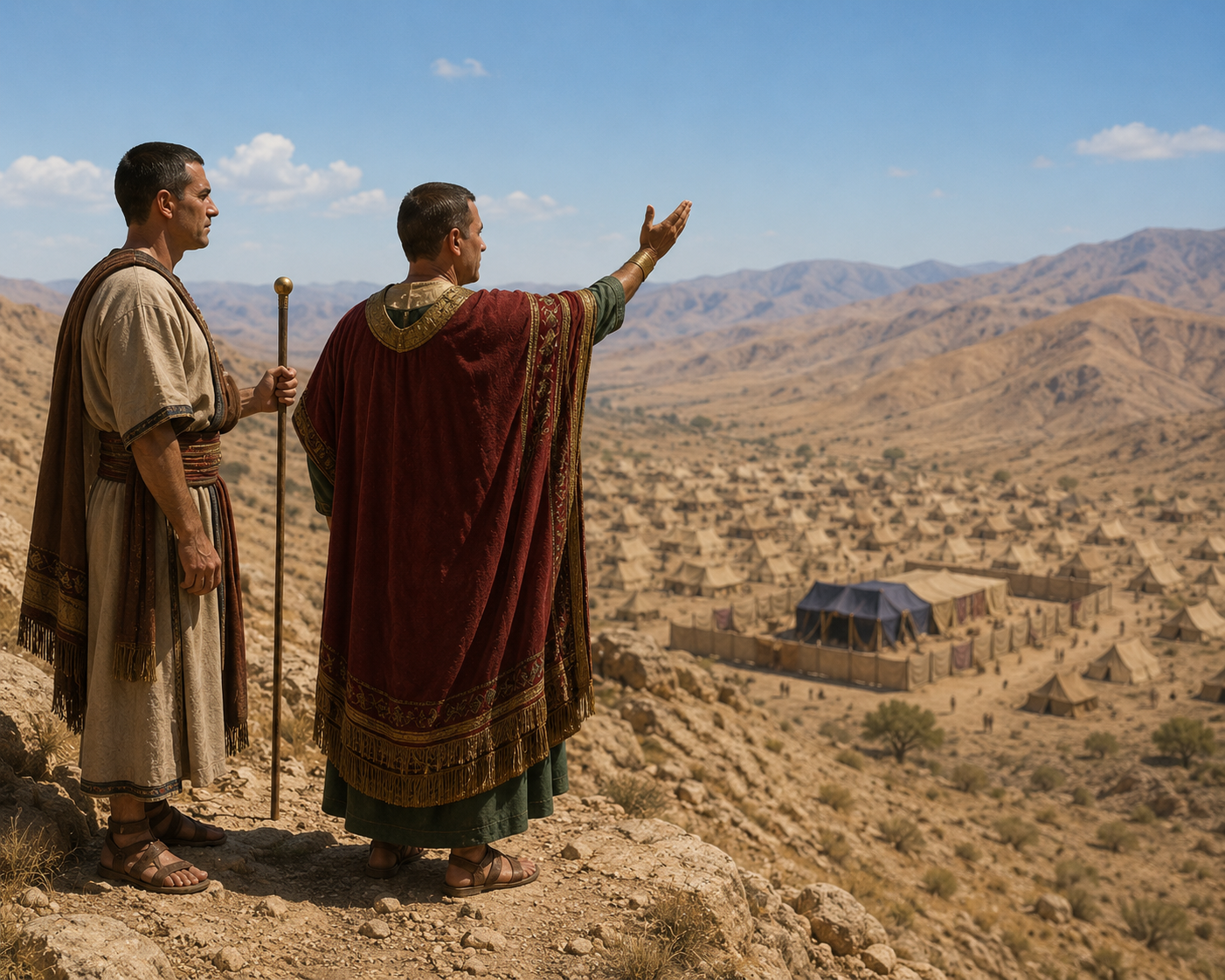
Numbers 21–23 shows God judging sin, preserving Israel, and turning Balak’s curse into blessing through Balaam, proving His sovereign power.
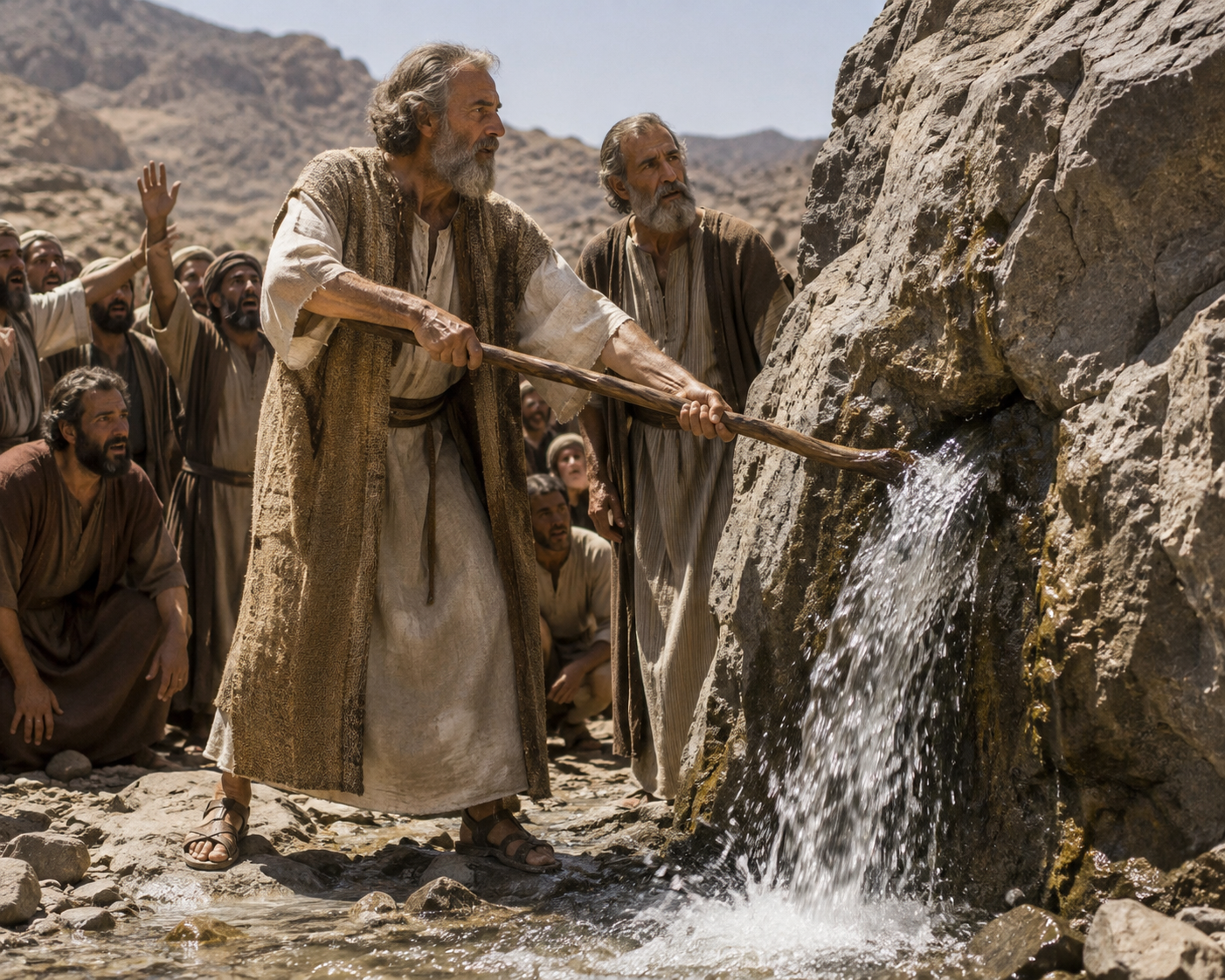
Numbers 18–20 reveals God’s holiness, priestly order, ceremonial cleansing, and the costly consequences of unbelief and disobedience.
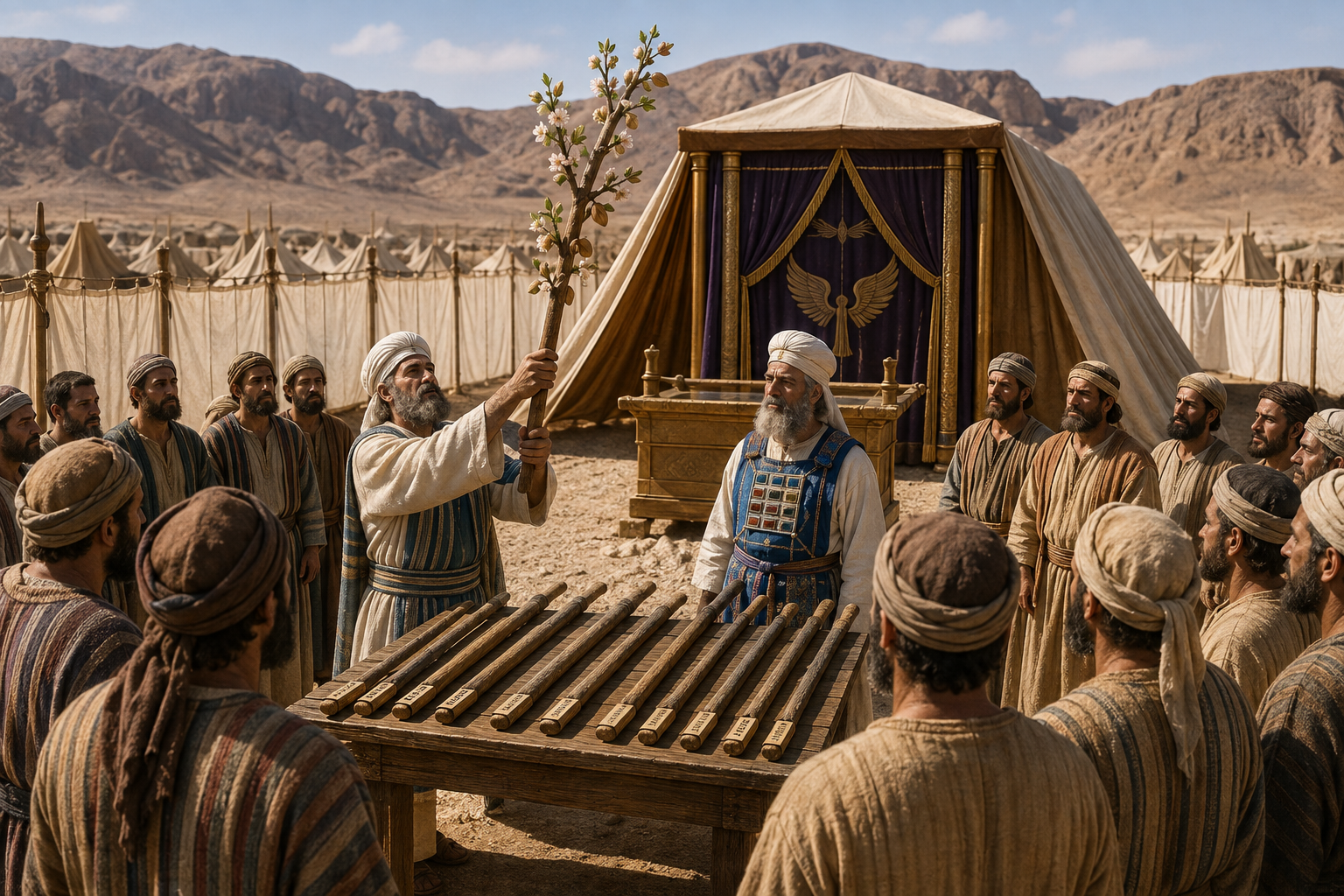
Numbers 15–17 reveal God’s holiness, judgment on rebellion, and the confirmation of Aaron’s priesthood, showing that His Word must be obeyed.
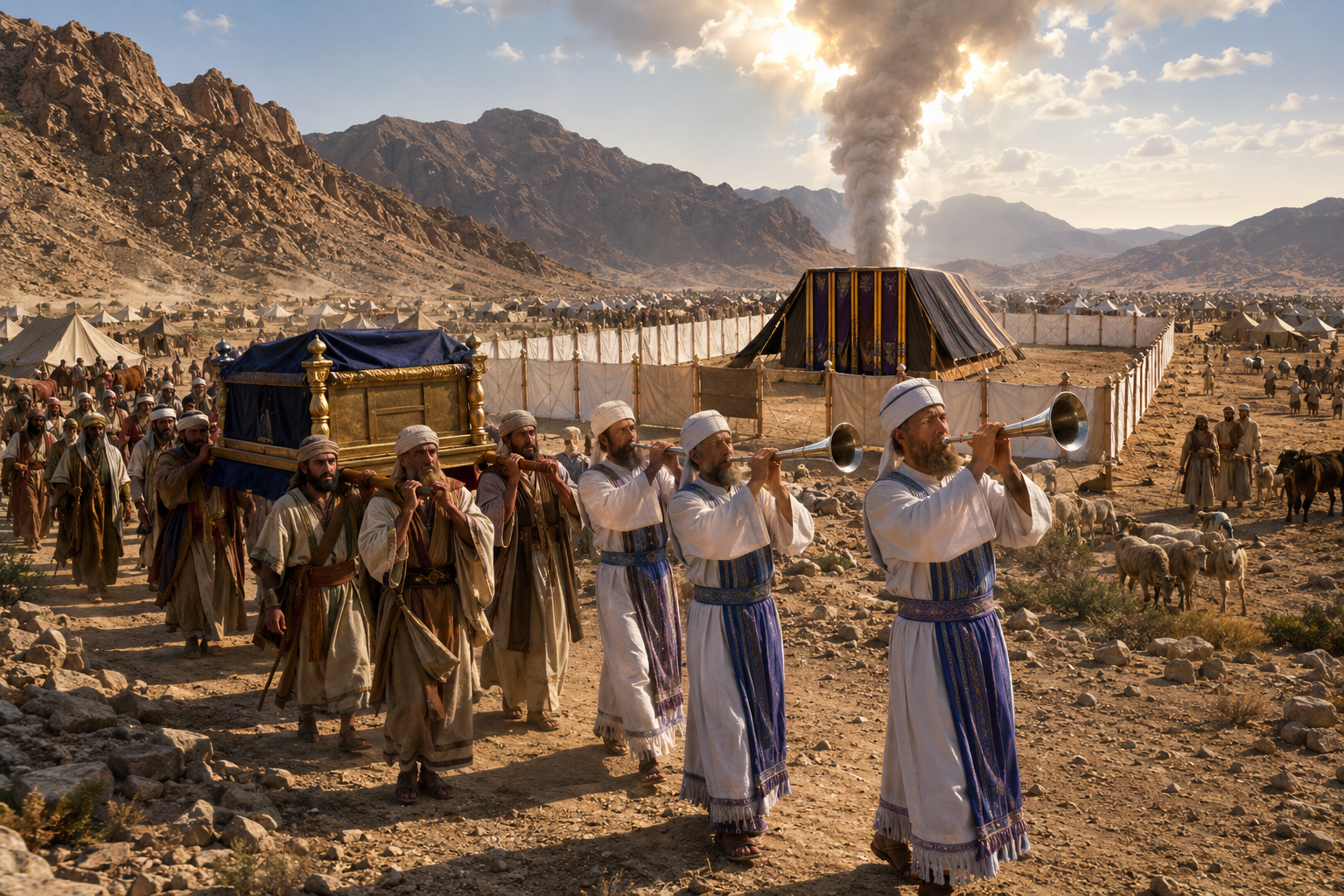
Numbers 9–11 KJV reveals Israel’s Passover, God’s guidance by cloud, silver trumpets, and the wilderness warnings of murmuring, lust, and judgment.
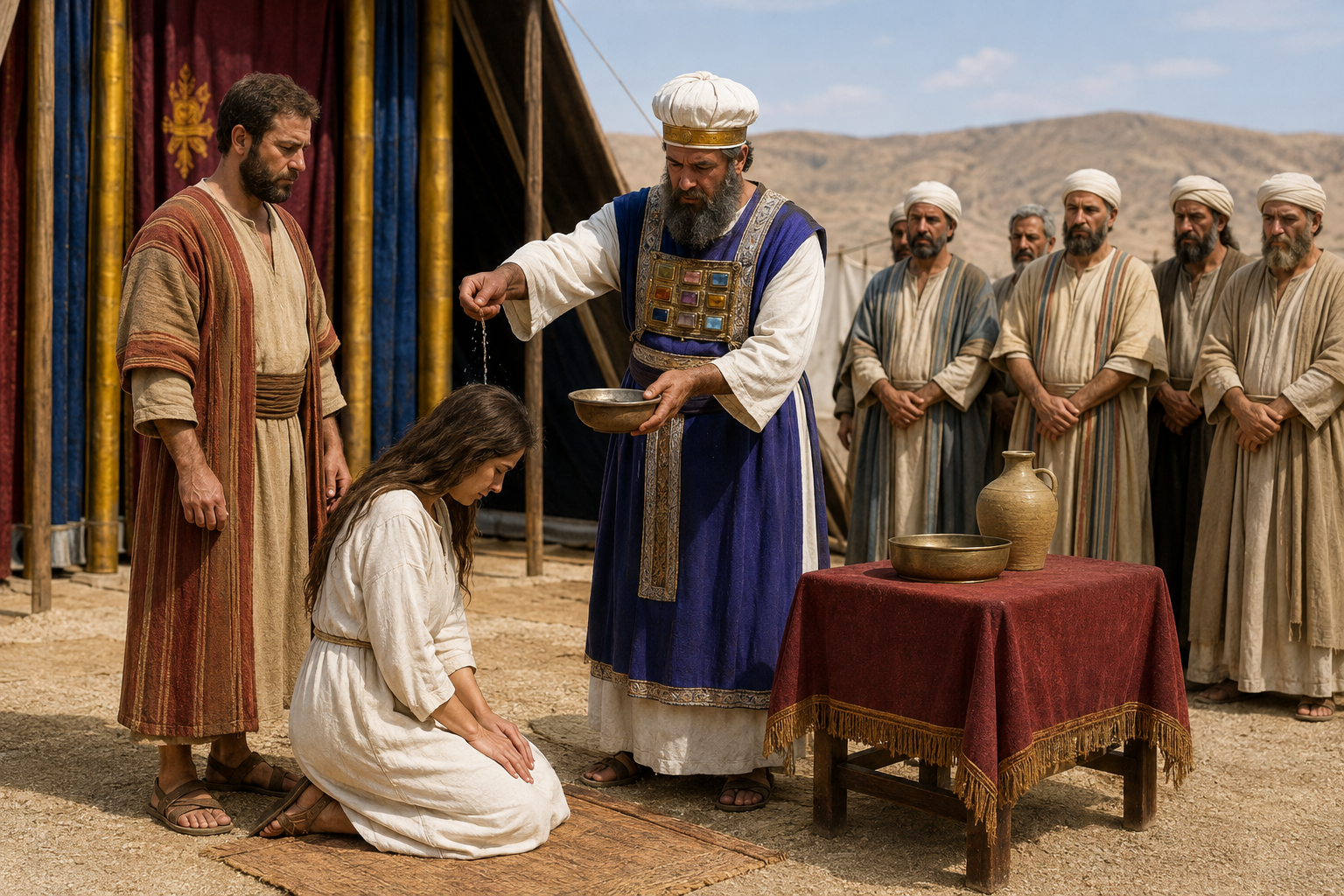
Numbers 5–6 reveals God’s holiness in Israel: purity, restitution, hidden sin, Nazarite devotion, and Aaron’s blessing over the camp.
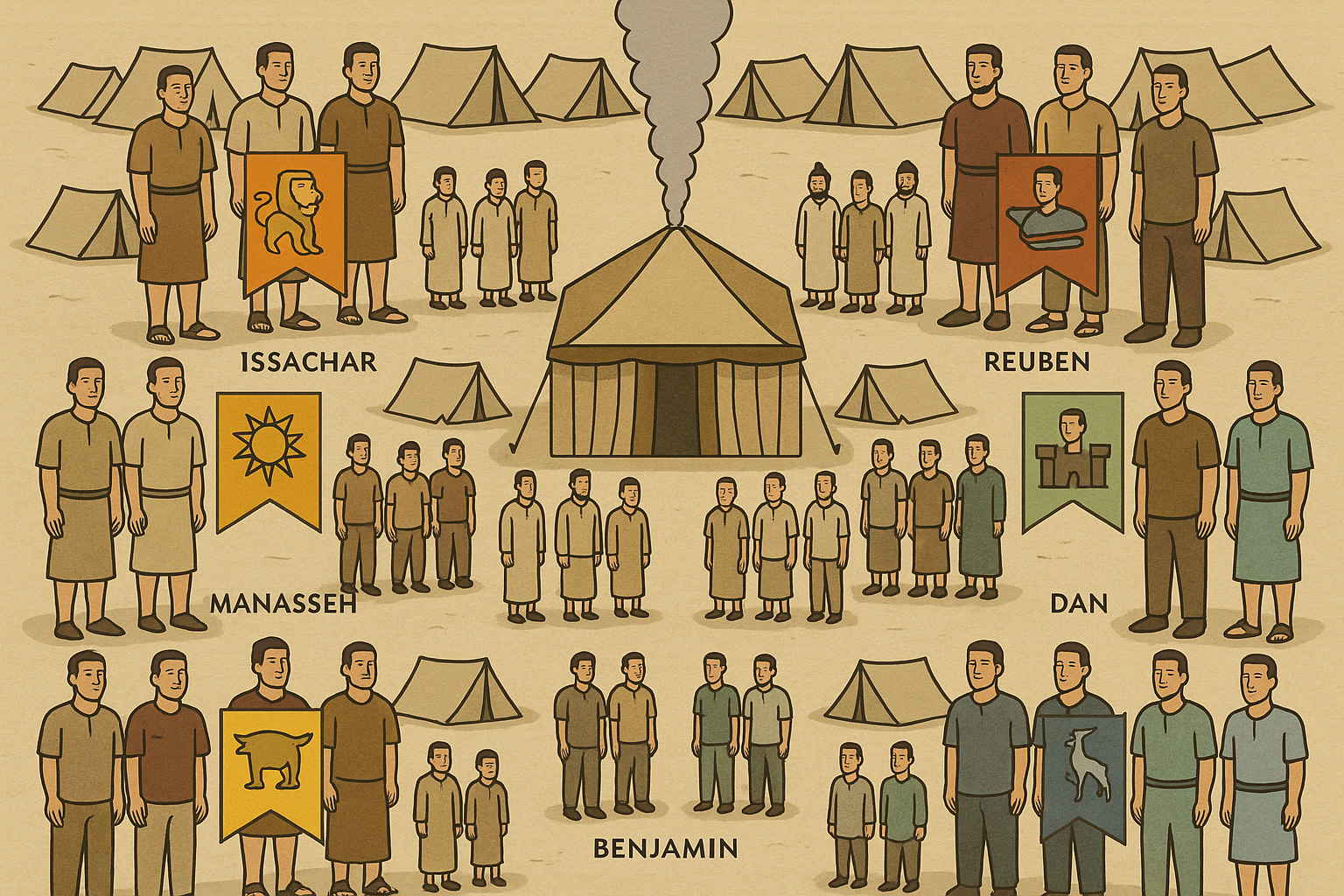
Numbers 1–2 shows Israel ordered around the tabernacle, numbered for war, and called to obey God’s commands with holiness and precision.
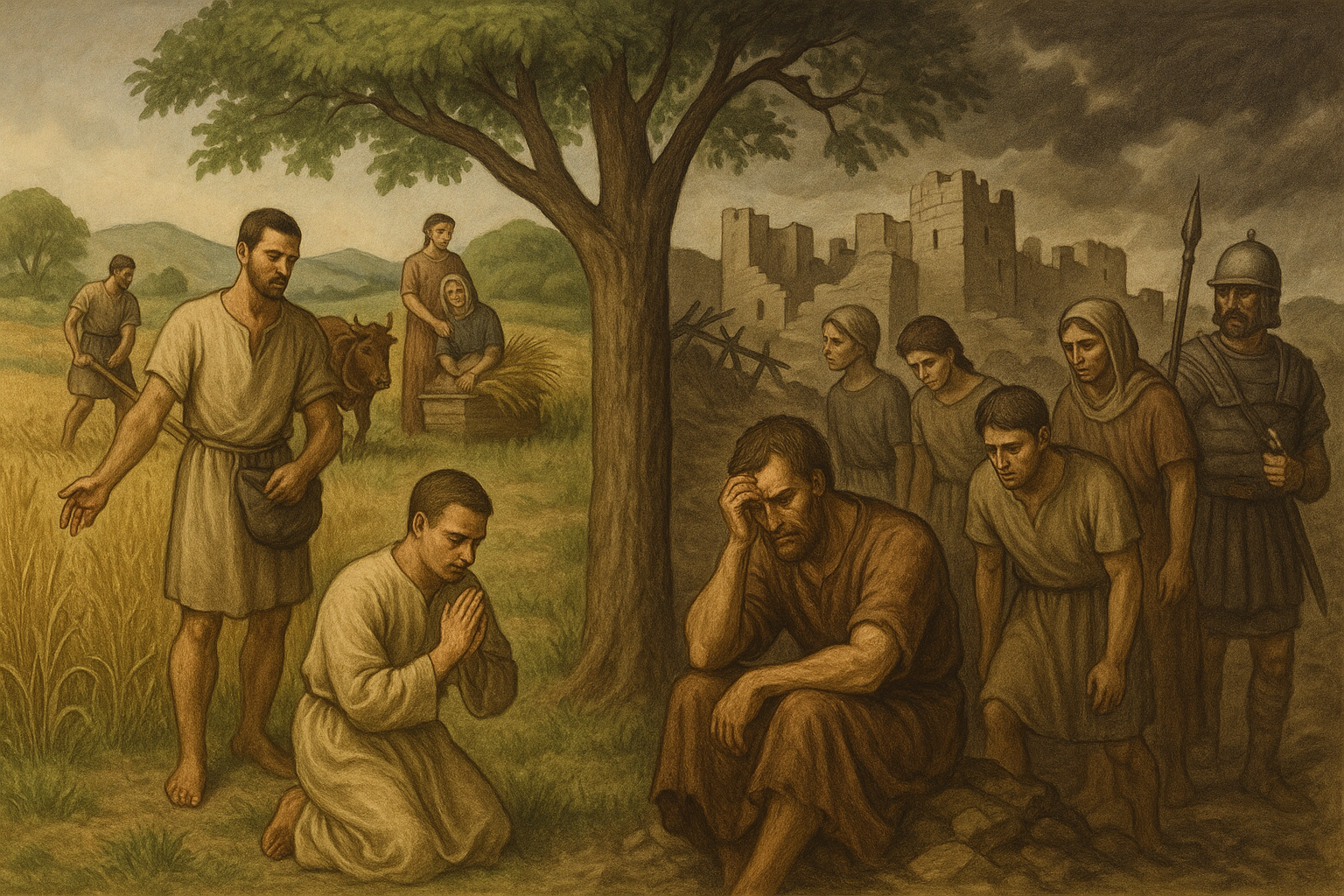
Leviticus 26–27 reveals covenant blessings, chastening, vows, and tithes, highlighting God’s holiness, justice, faithfulness, and Israel’s Sinai law.
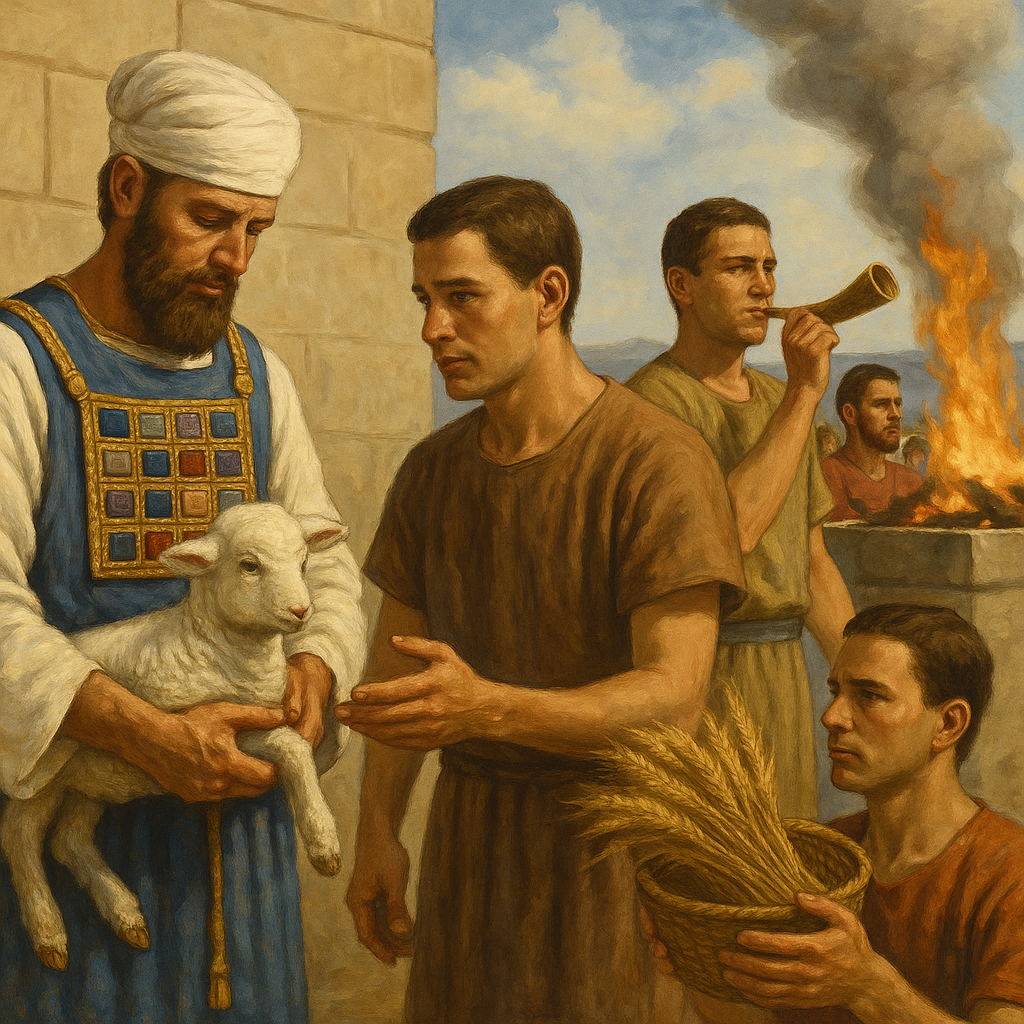
Leviticus 22–23 reveals God’s holiness in priestly service, acceptable sacrifice, and Israel’s appointed feasts, centered on worship by His command.
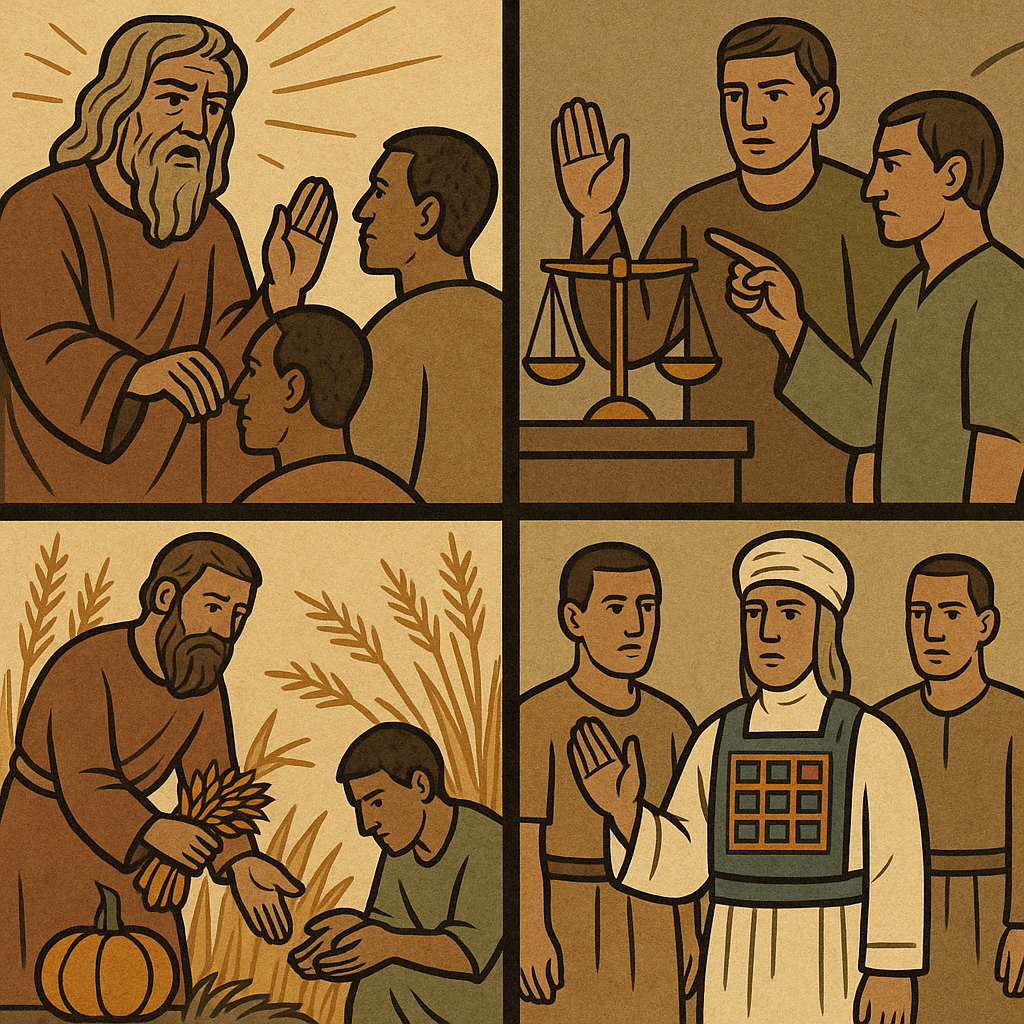
Leviticus 19–21 reveals God’s call to holiness in worship, ethics, family life, and priestly service under the Mosaic covenant.