
Leviticus 16–18 reveals God’s holy way of atonement, the sanctity of blood, and the call to moral separation and holiness.
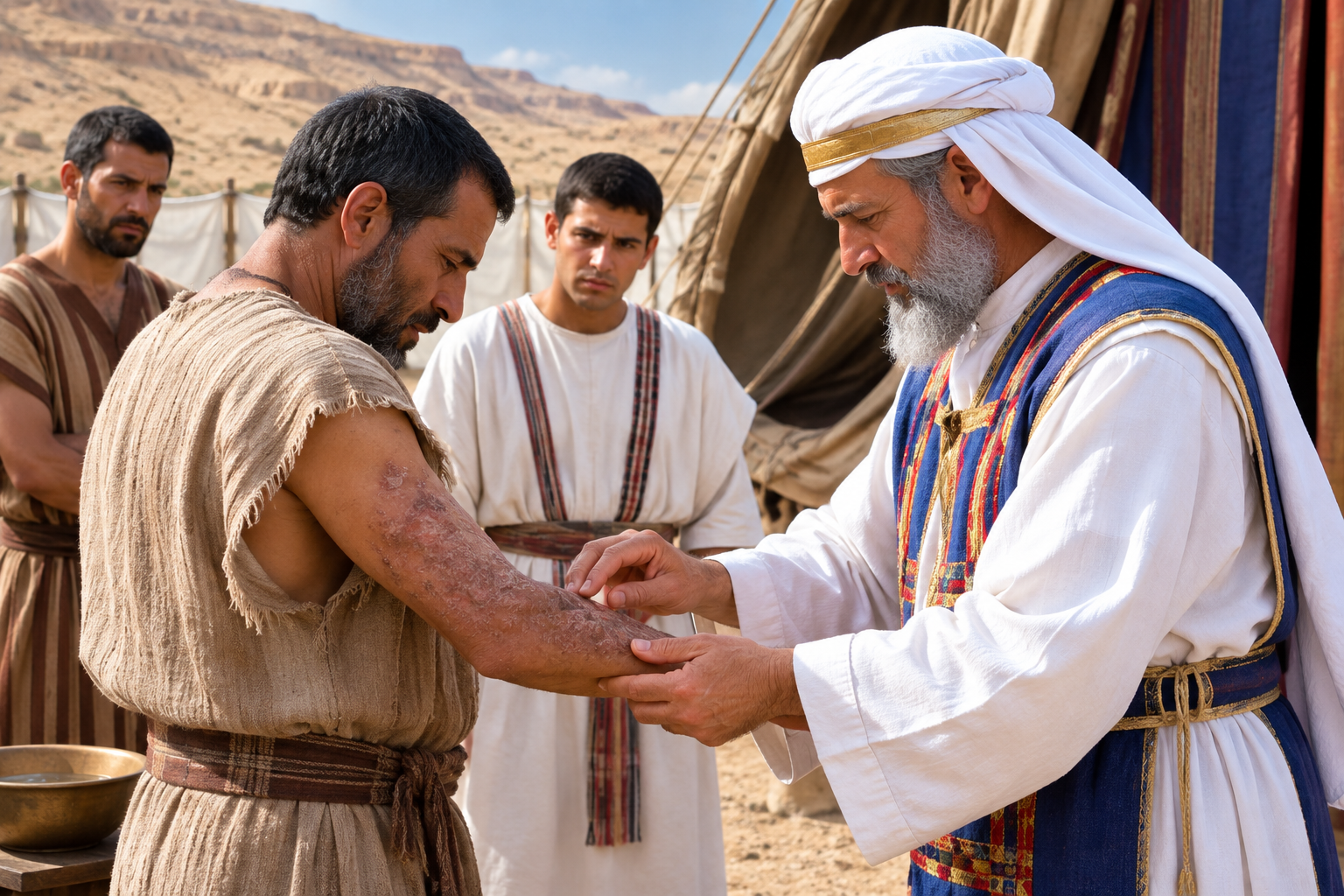
Leviticus 13 details God’s laws for discerning leprosy, clean and unclean conditions, and priestly examination in Israel.
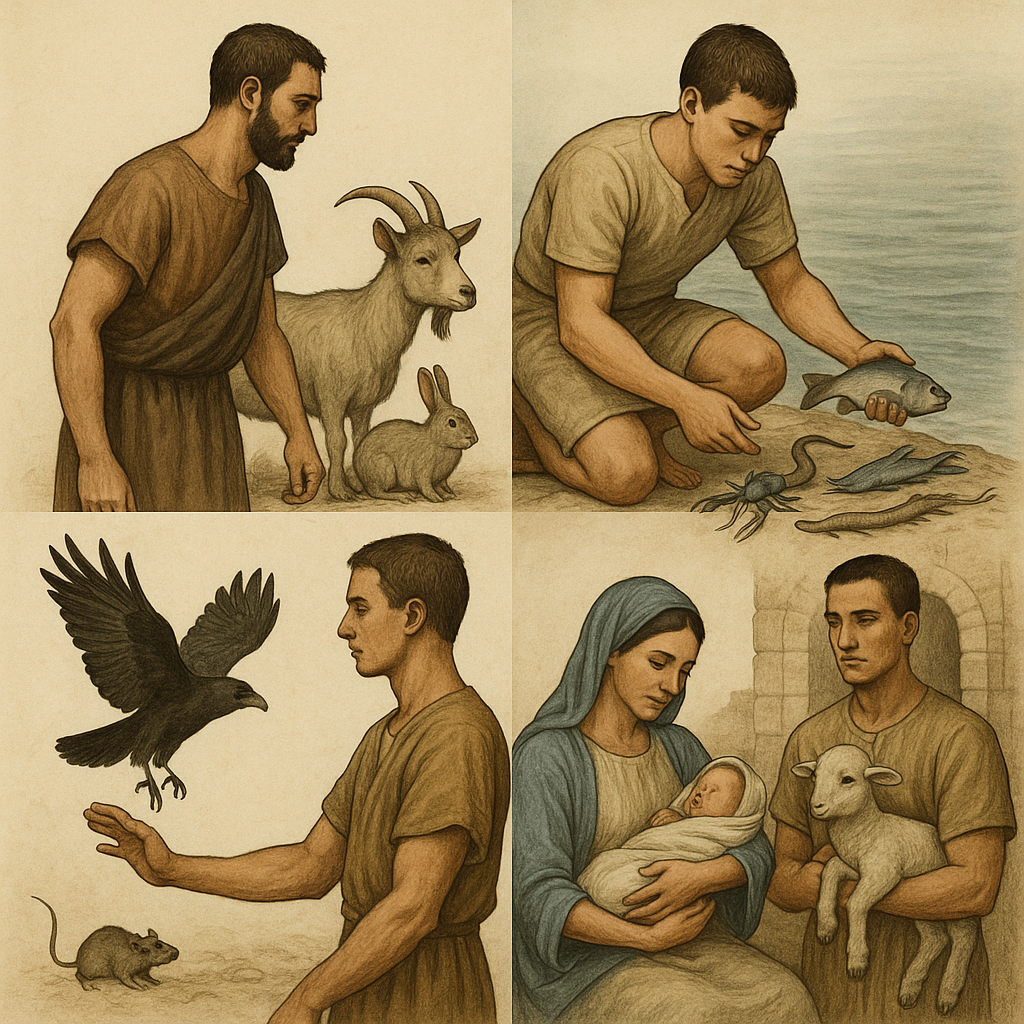
Leviticus 11–12 explains Israel’s clean and unclean laws, childbirth purification, and God’s call to holiness, obedience, and atonement.
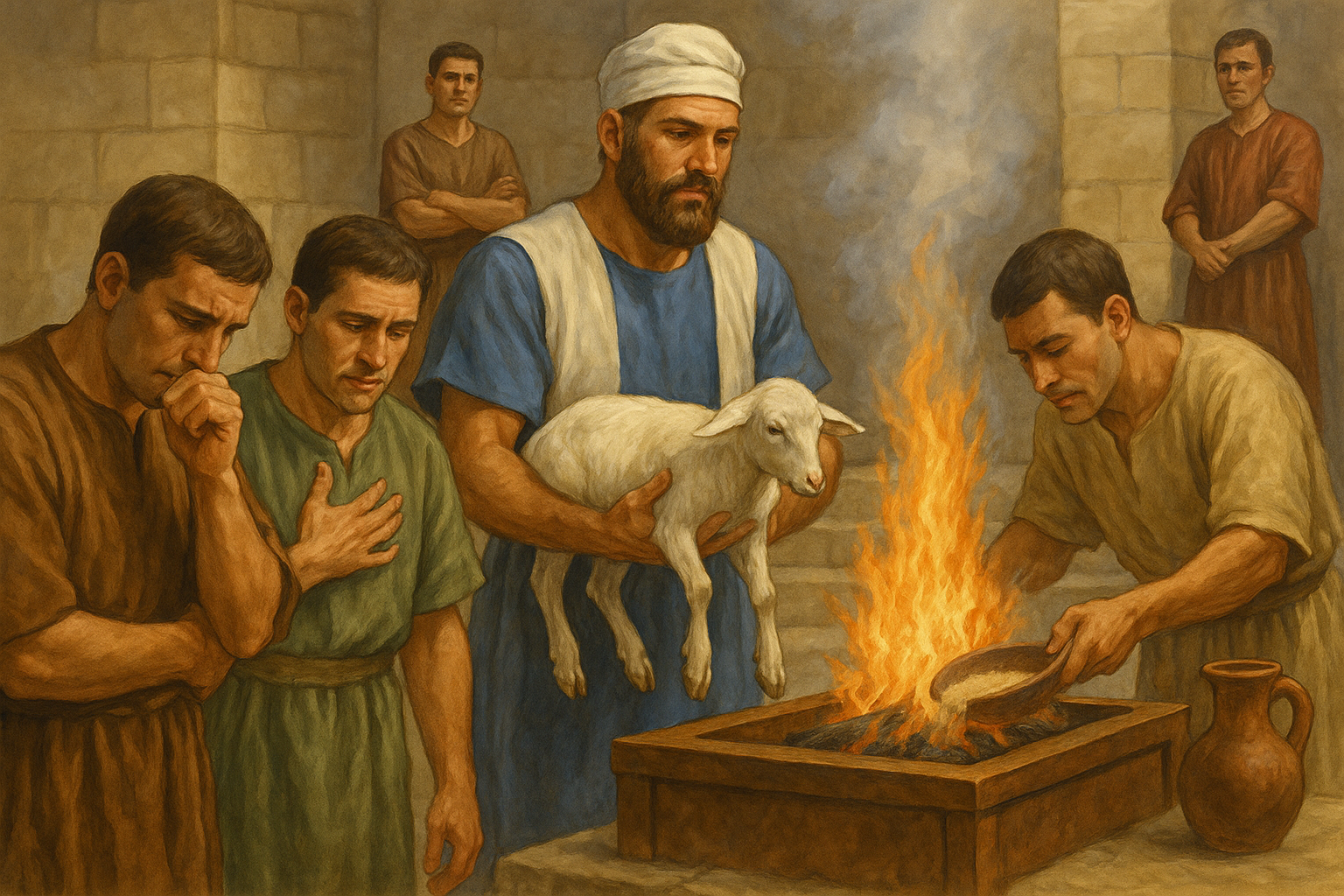
Leviticus 5–6 explains guilt, confession, restitution, and priestly sacrifice, showing God’s holiness, justice, and mercy under the Mosaic law.
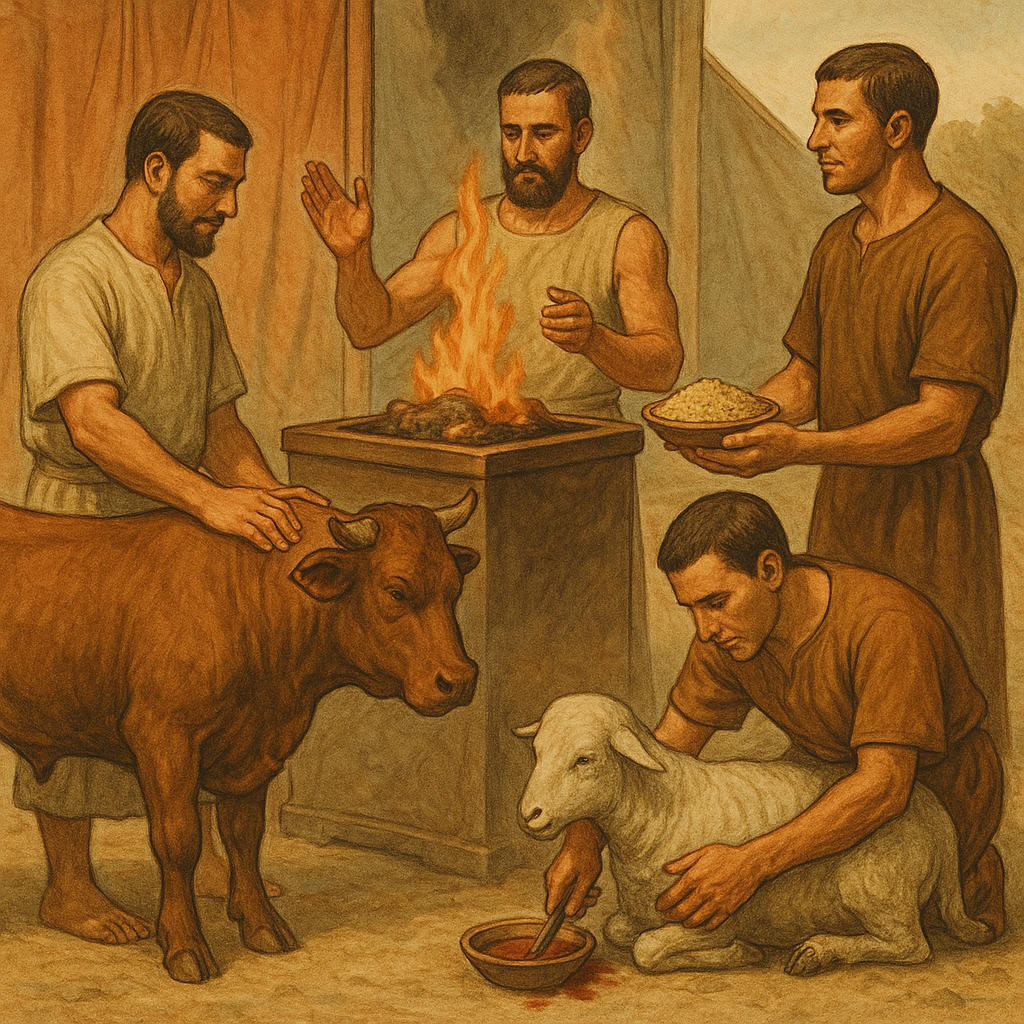
Leviticus 1–4 explains God’s sacrificial system, the meaning of atonement, and how these offerings point to Christ’s once-for-all sacrifice.
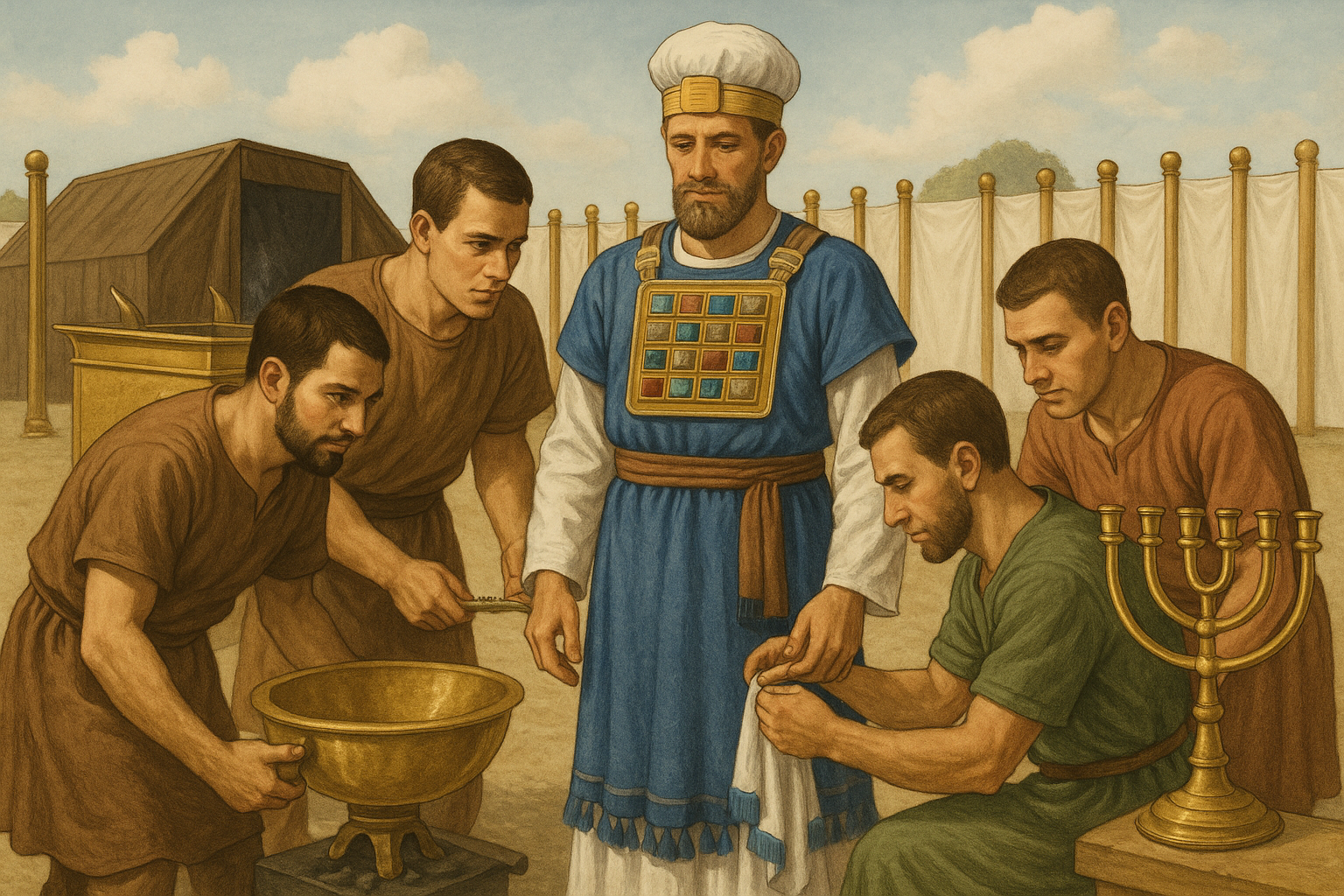
Exodus 38–40 concludes with the tabernacle completed, Moses’ inspection, and the glory of the LORD filling Israel’s sanctuary.
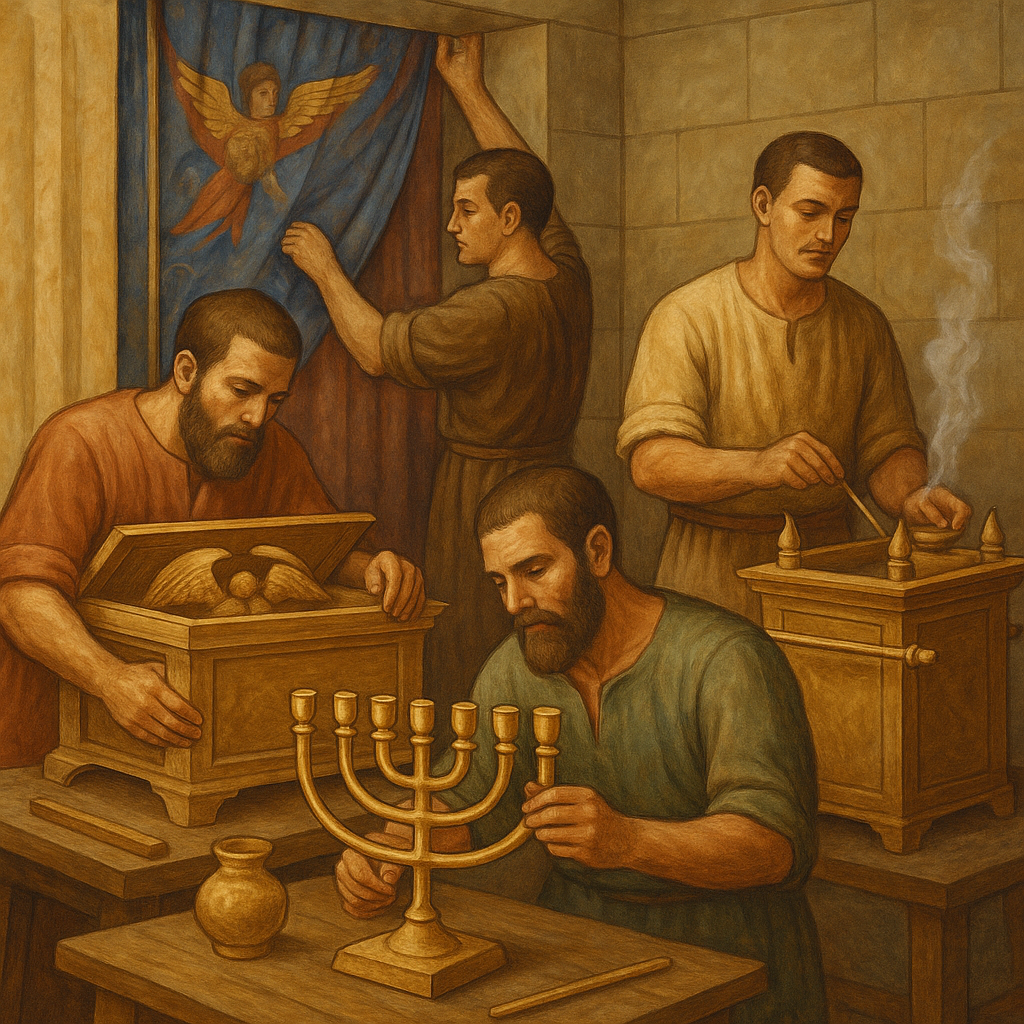
Exodus 36–37 shows the tabernacle built exactly as God commanded, revealing obedient worship, skilled craftsmanship, and generous giving.
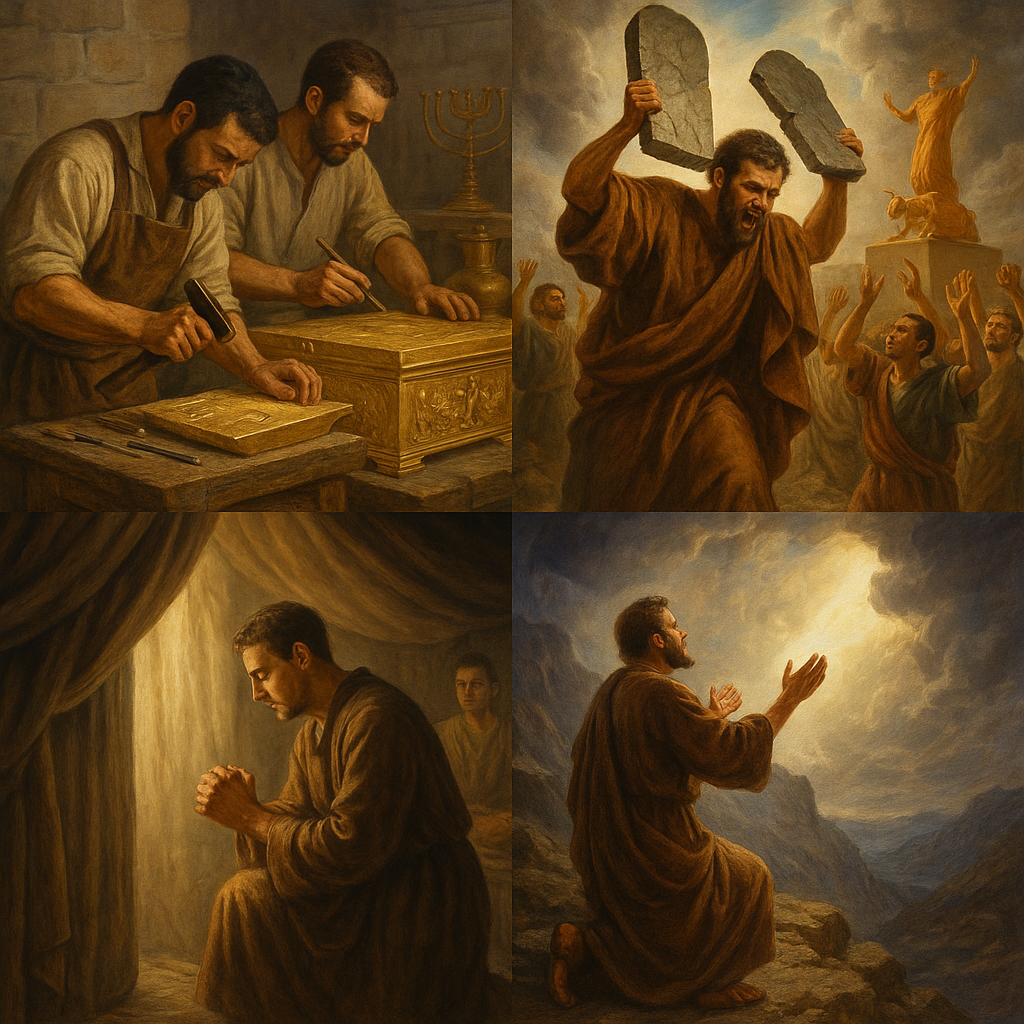
Exodus 31–33 reveals God’s holiness, Israel’s golden calf sin, Moses’ intercession, and the vital importance of God’s presence.
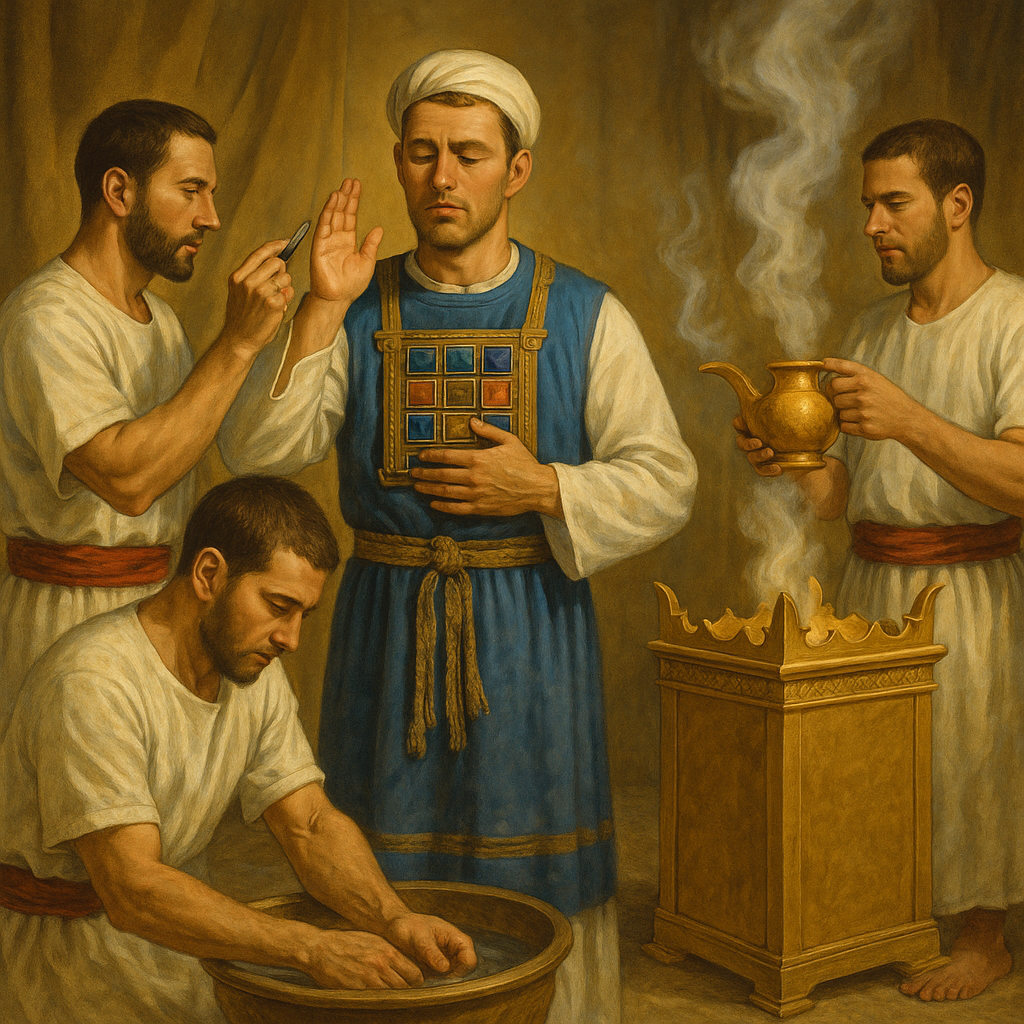
Exodus 29–30 reveals God’s holy instructions for priestly consecration, tabernacle worship, atonement, and Israel’s covenant worship.
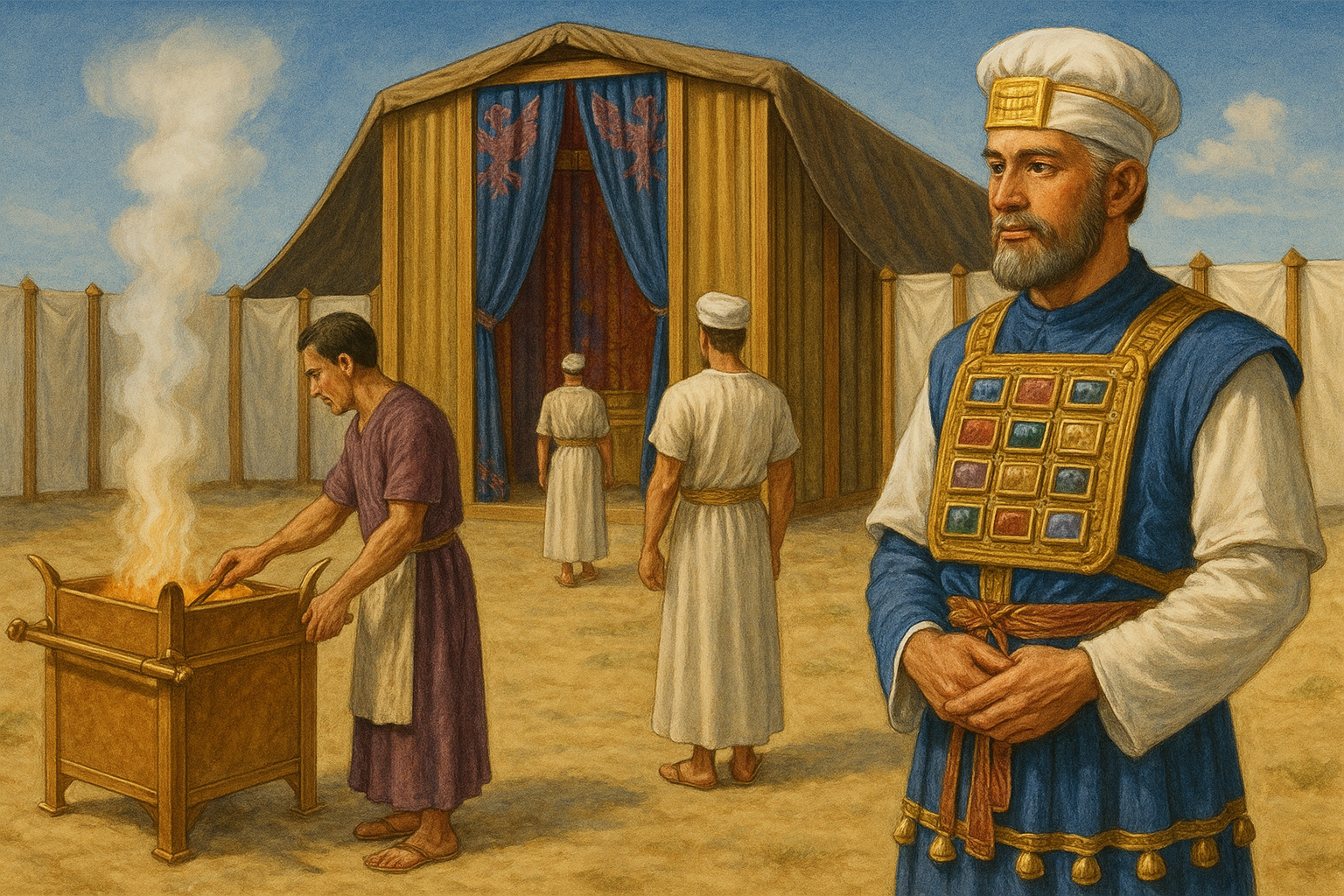
Exodus 26–28 reveals God’s exact pattern for the tabernacle, altar, and priestly garments, emphasizing holiness, order, and obedience.

Exodus 23–25 reveals God’s justice, covenant blood, and the tabernacle pattern for holy worship and His dwelling among Israel.