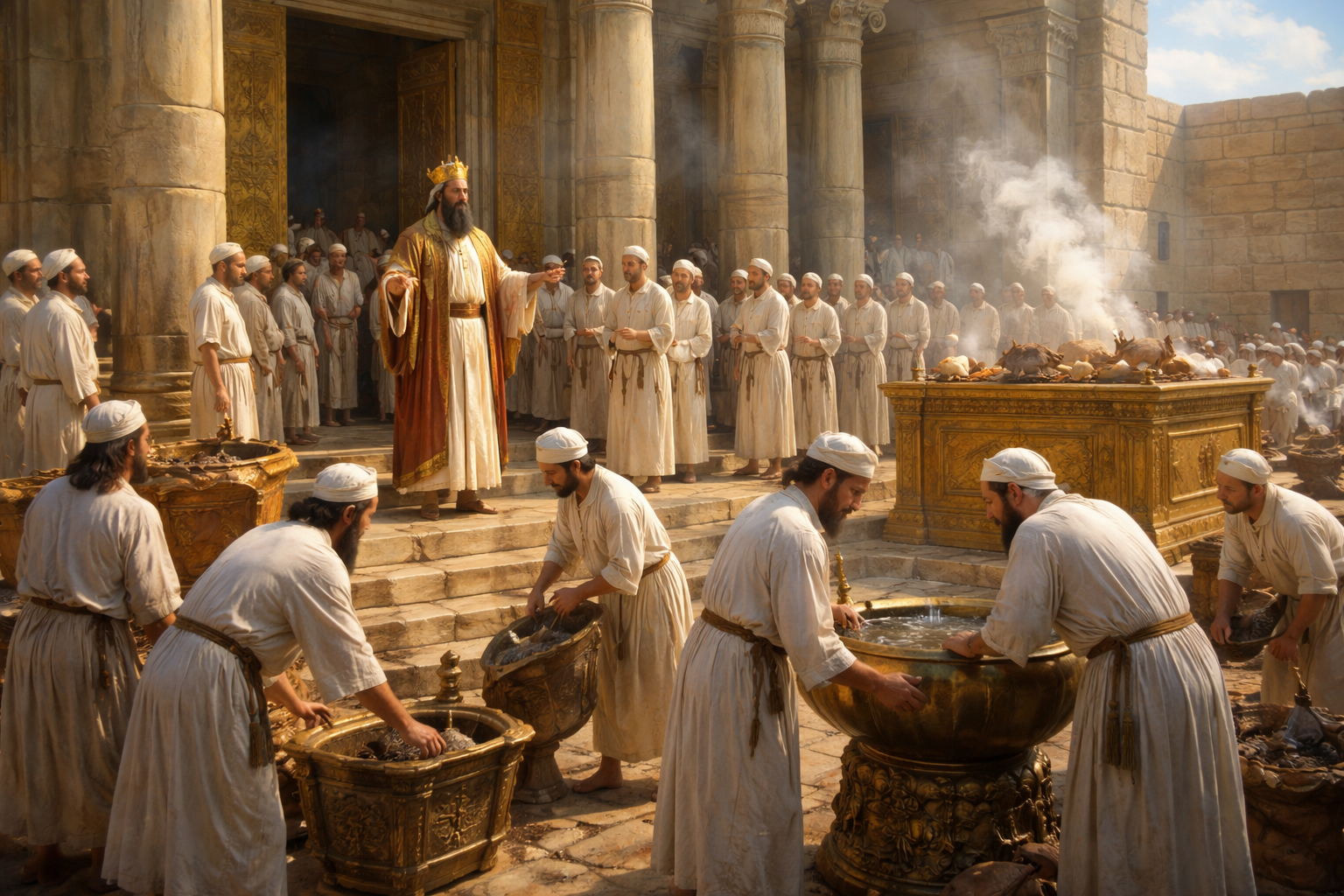
In 2 Chronicles 29:11, Hezekiah says to the Levites: “My sons, be not now negligent: for […]
No. There is no surviving copy of the book of Nathan the prophet available today. What […]
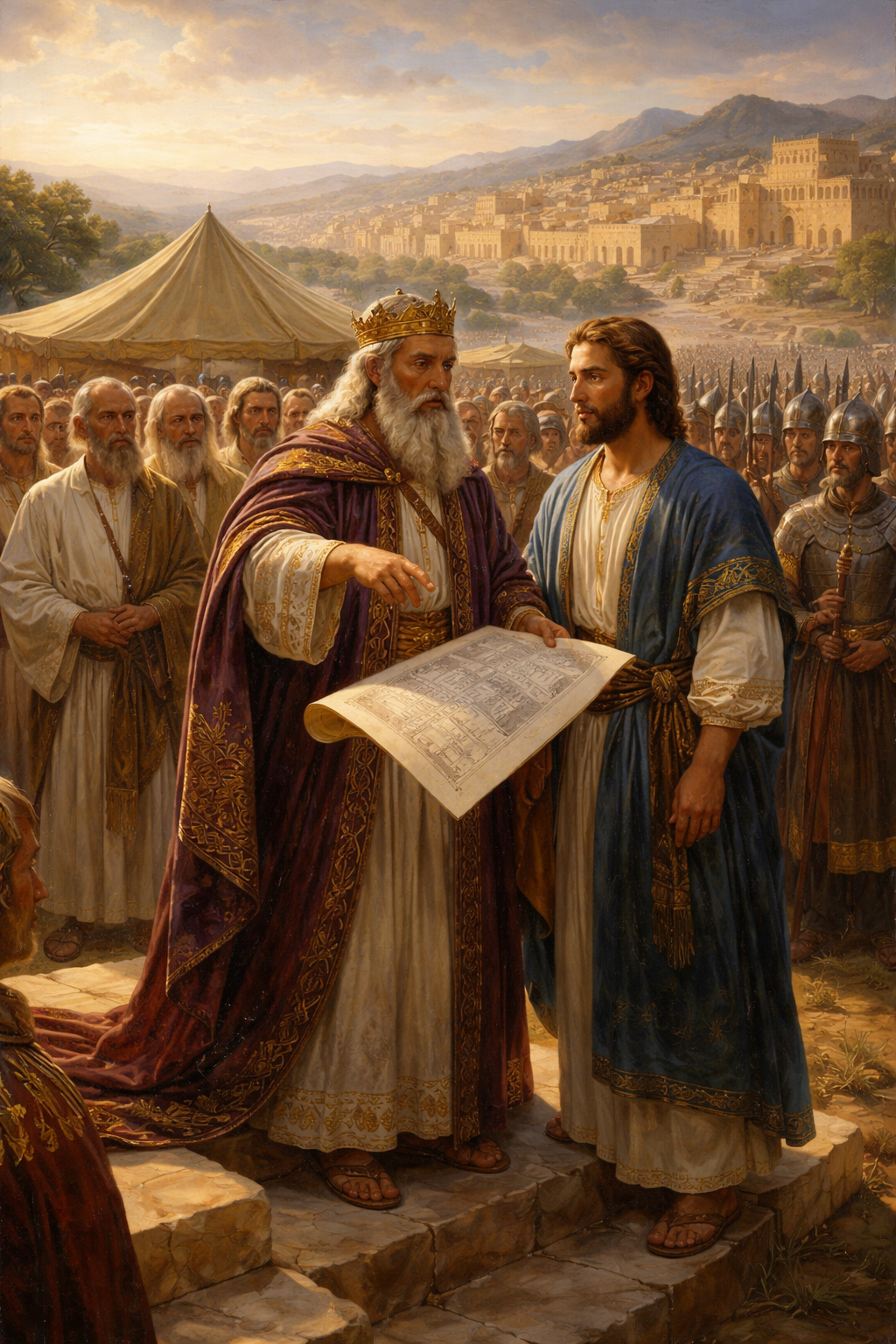
In 1 Chronicles 26 (KJV), the porters (gatekeepers) were Levites assigned to critical, God-ordained responsibilities connected […]

In 1 Chronicles 15, David’s linen garments are deliberately mentioned because they carry theological and symbolic […]

In 1 Chronicles 11, when David would not drink the water his men bought him, why […]
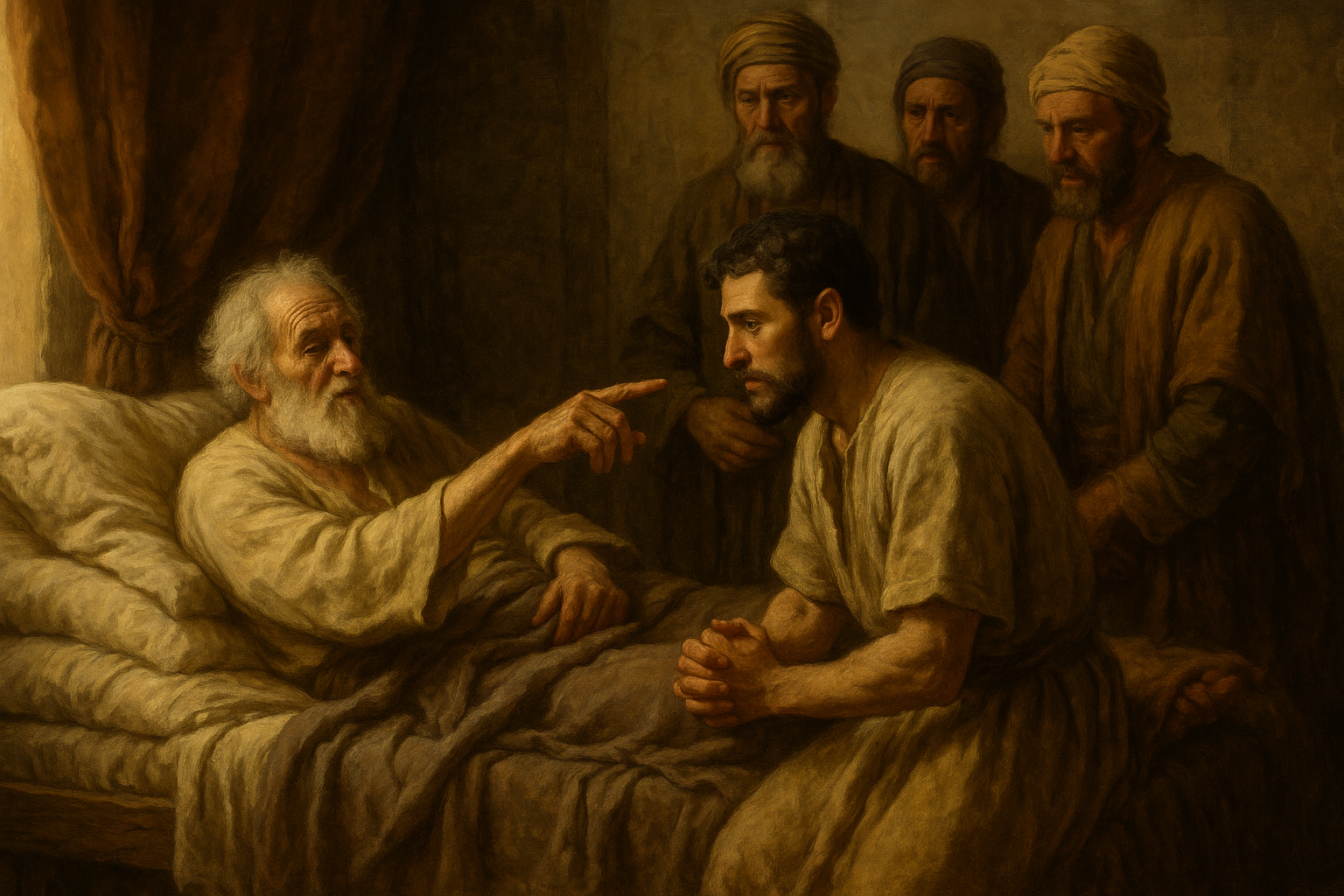
David’s pardon of Shimei was a sworn act of mercy, not acquittal; Solomon later carried out lawful justice when Shimei disobeyed.
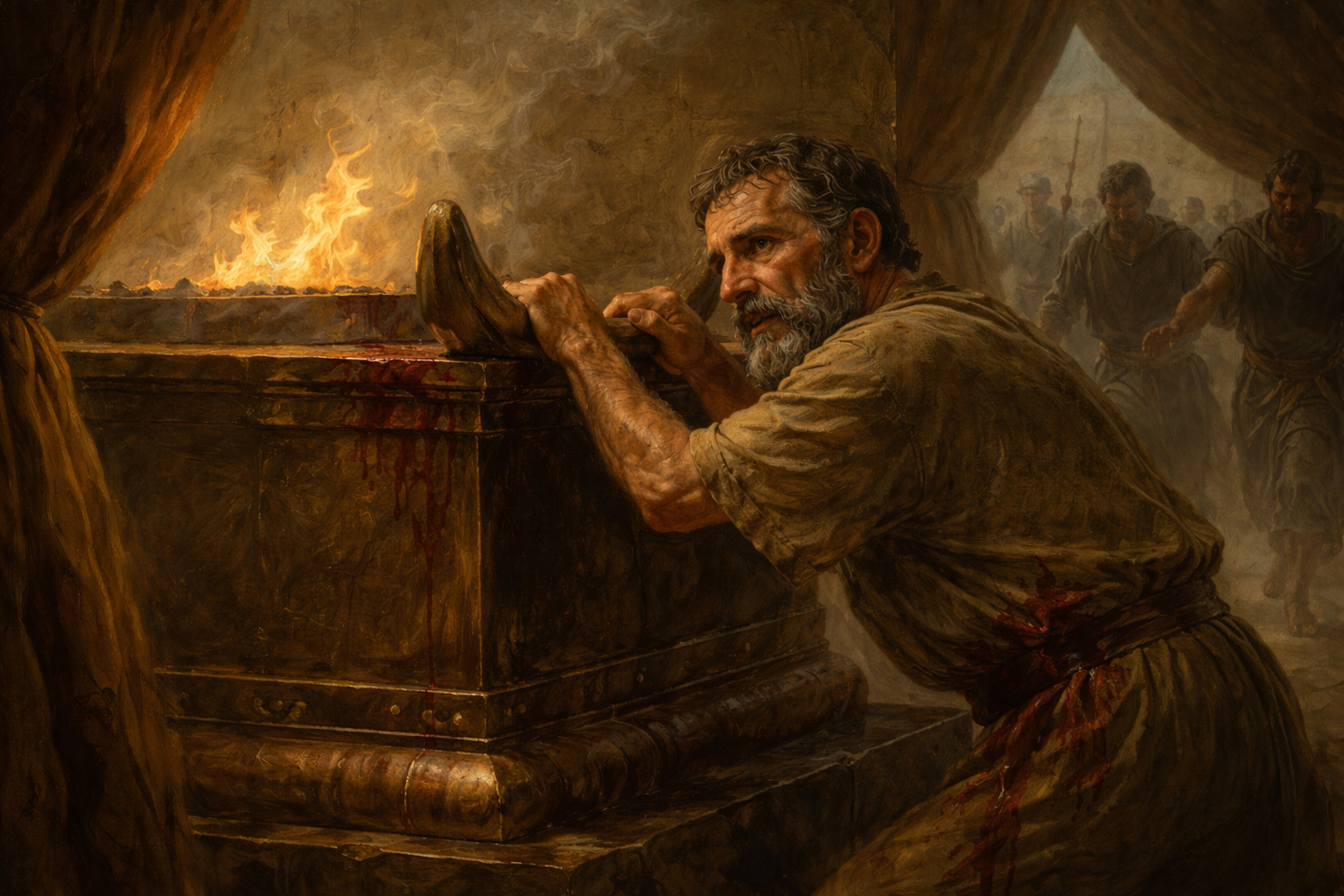
The horns of the altar symbolized mercy, justice, and refuge. Adonijah found temporary sparing, but Joab faced judgment for murder.
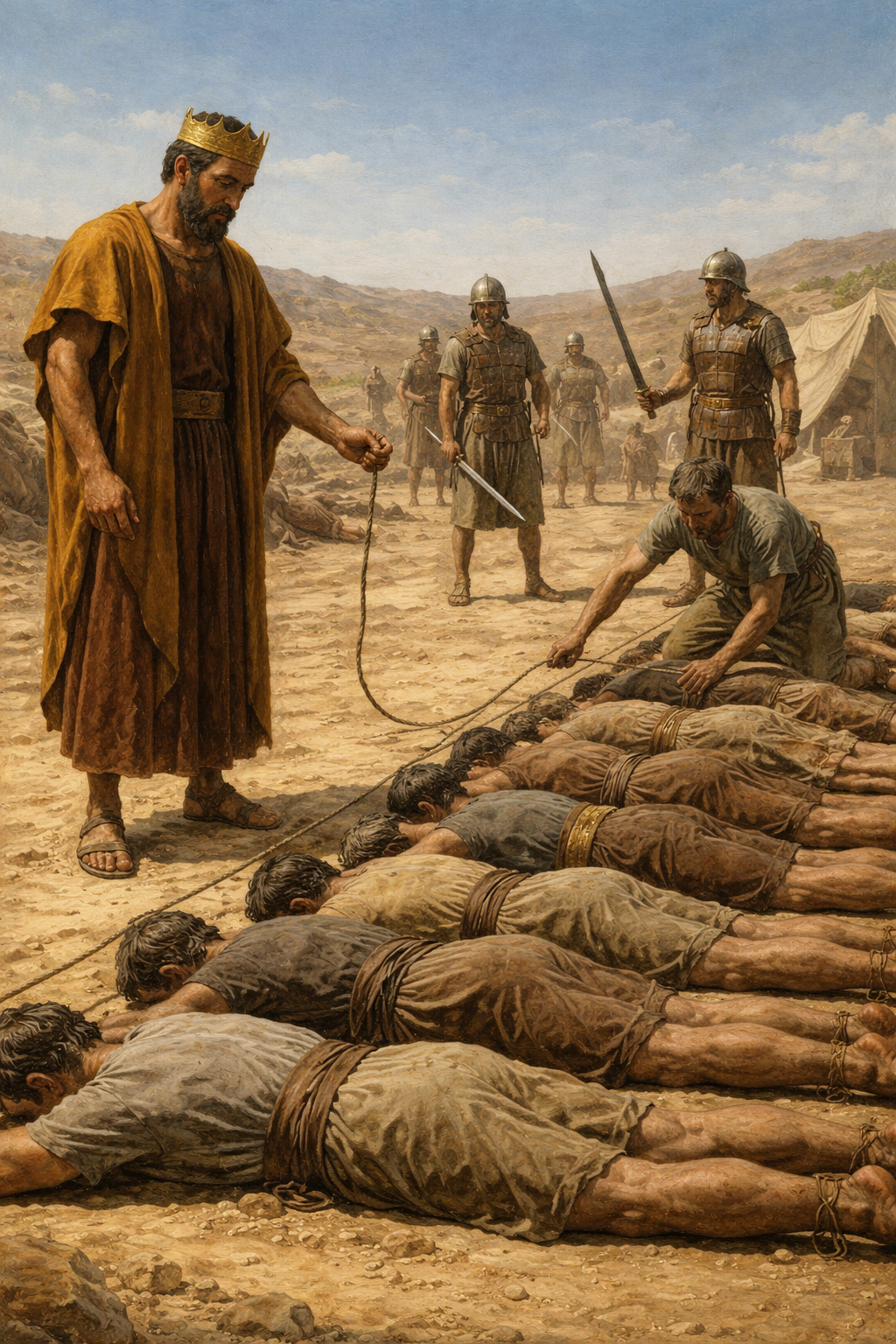
David’s judgment on Moab in 2 Samuel 8:2 used a measuring line to divide captives, sparing one-third and executing two-thirds.
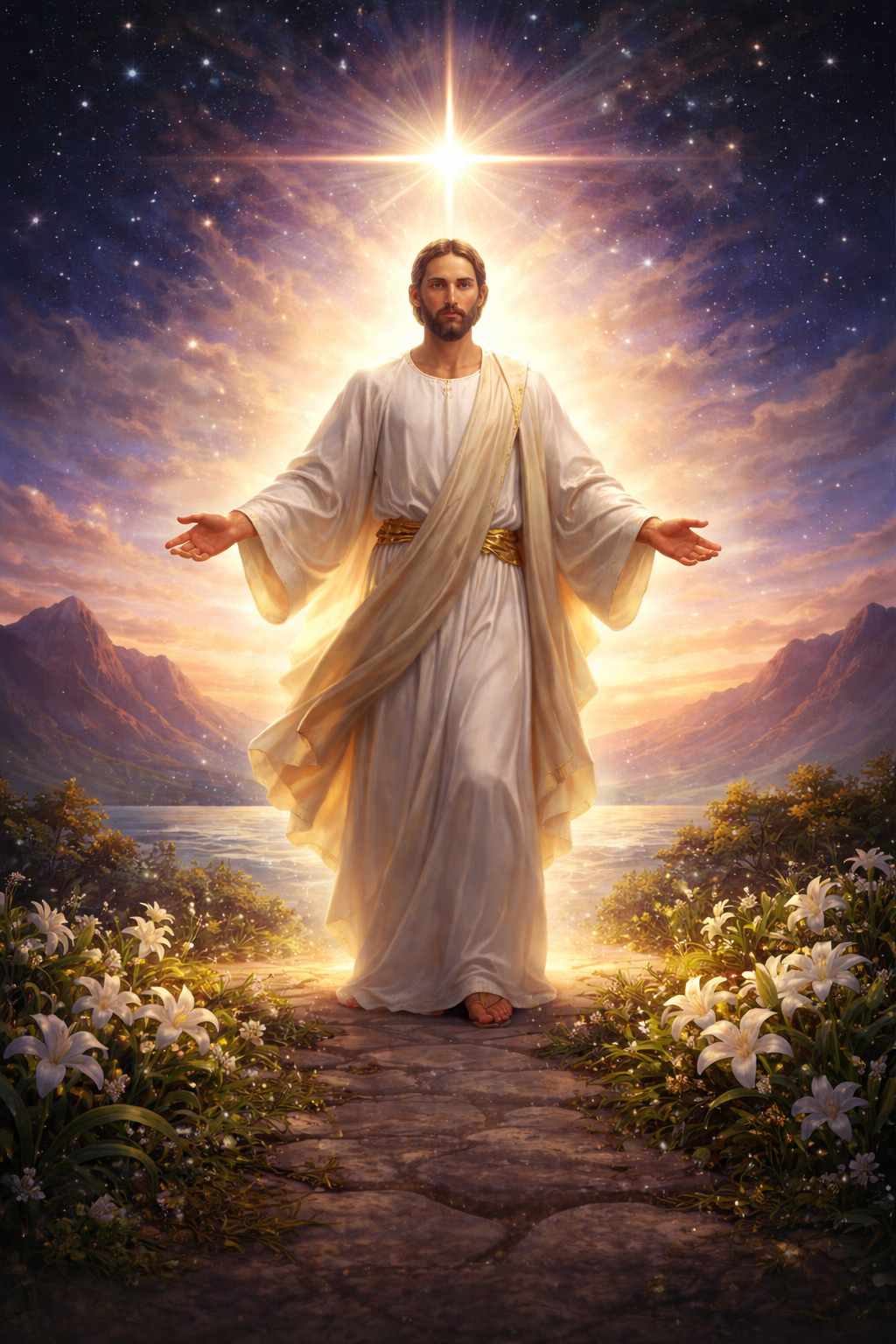
The “Morning Star” in Revelation (KJV) 1. Where the term appears in Revelation The phrase “morning […]

1 Samuel 28 shows God, not the witch, brought up Samuel to deliver a final judgment on Saul.
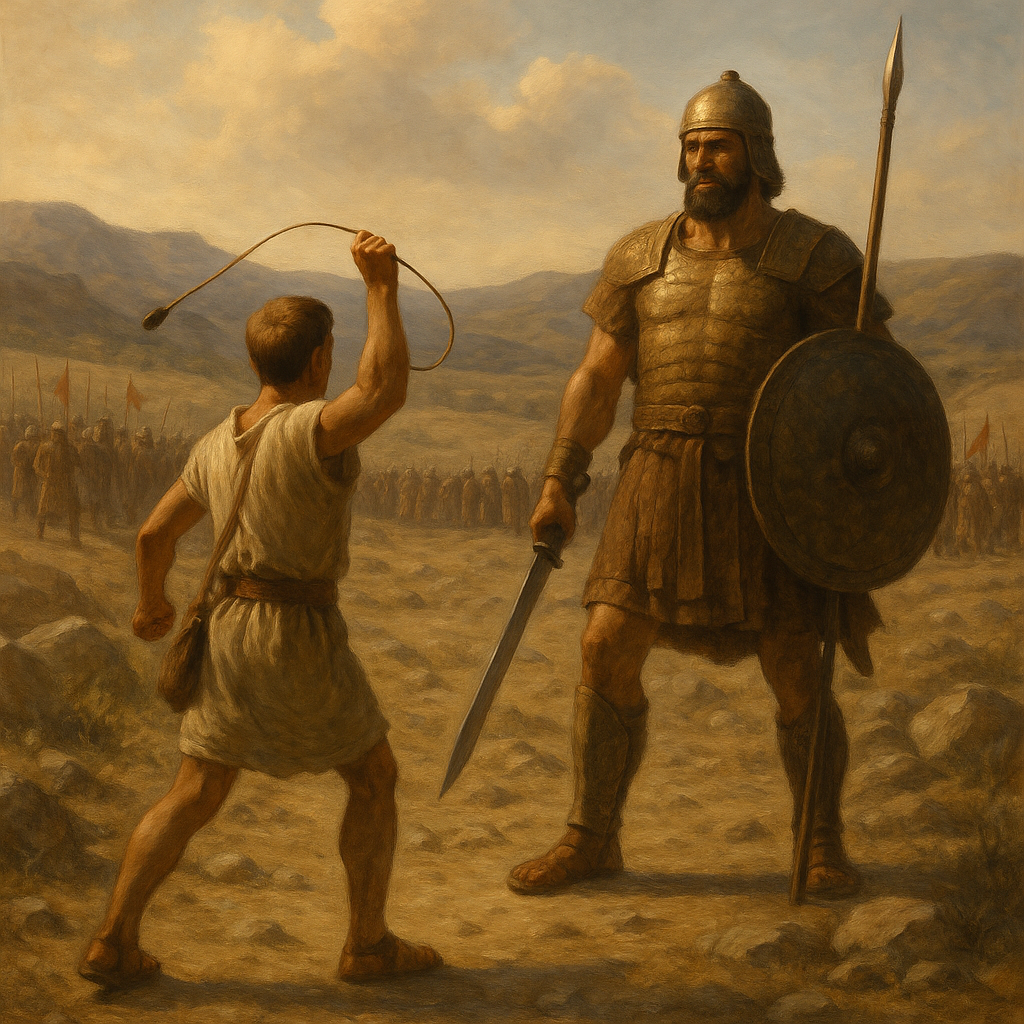
Why does Saul ask about David in 1 Samuel 17? This clear KJV explanation shows no contradiction—he sought David’s lineage, not his name.