
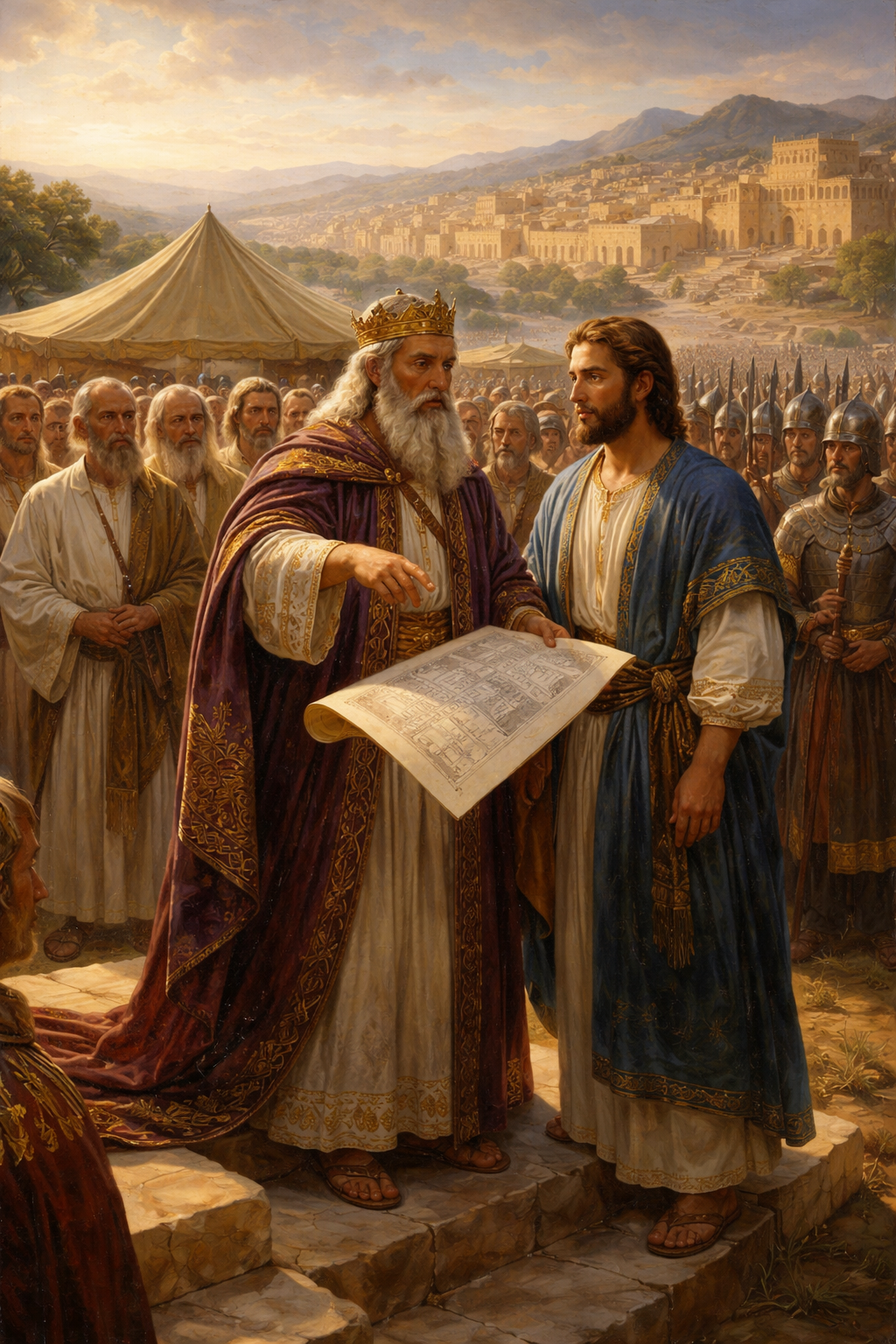
In 1 Chronicles 26 (KJV), the porters (gatekeepers) were Levites assigned to critical, God-ordained responsibilities connected with the house of the LORD. Their role was far more than simple doorkeeping.
 Primary Duties of the Porters
1. Guarding the Gates of the House of the LORD
The porters were stationed at the gates and entrances of the sanctuary to:
- Control who entered sacred areas
- Prevent unauthorized or ceremonially unclean persons from entering
- Protect the holiness of worship
This guarding role echoes earlier duties at the Tabernacle, showing continuity of God’s order.
2. Protecting the Treasures and Storehouses
Porters were entrusted with oversight of:
- Treasuries of silver, gold, vessels, and dedicated offerings
- Spoils of war consecrated by David, Samuel, Saul, Abner, and Joab
- Materials reserved “to maintain the house of the LORD”
This required honesty, faithfulness, and spiritual maturity.
3. Organizing Access According to God’s Order
Their service was:
- Divided by families
- Assigned by lot
- Rotated according to appointed schedules
This ensured fairness and obedience to God’s arrangement, not favoritism.
4. Supervising Chambers and Sacred Rooms
Some porters were responsible for:
- Chambers where holy items were stored
- Tools, instruments, and supplies used in temple service
Their work supported priests and Levites in active ministry.
5. Serving as Trusted Stewards
Porters were described as:
- “Mighty men of valour”
- Capable men entrusted with responsibility
This highlights that spiritual trust mattered more than public visibility.
Spiritual Significance
The porters demonstrate that:
- God values faithfulness in behind-the-scenes service
- Guarding holiness is as important as offering sacrifices
- Stewardship is a sacred calling, not a secondary task
Their service teaches that protecting God’s work is itself an act of worship.
Comments are closed