Deuteronomy 18–21 reveals God’s holiness, justice, and order in worship, warfare, family life, and the promise of the coming Prophet.
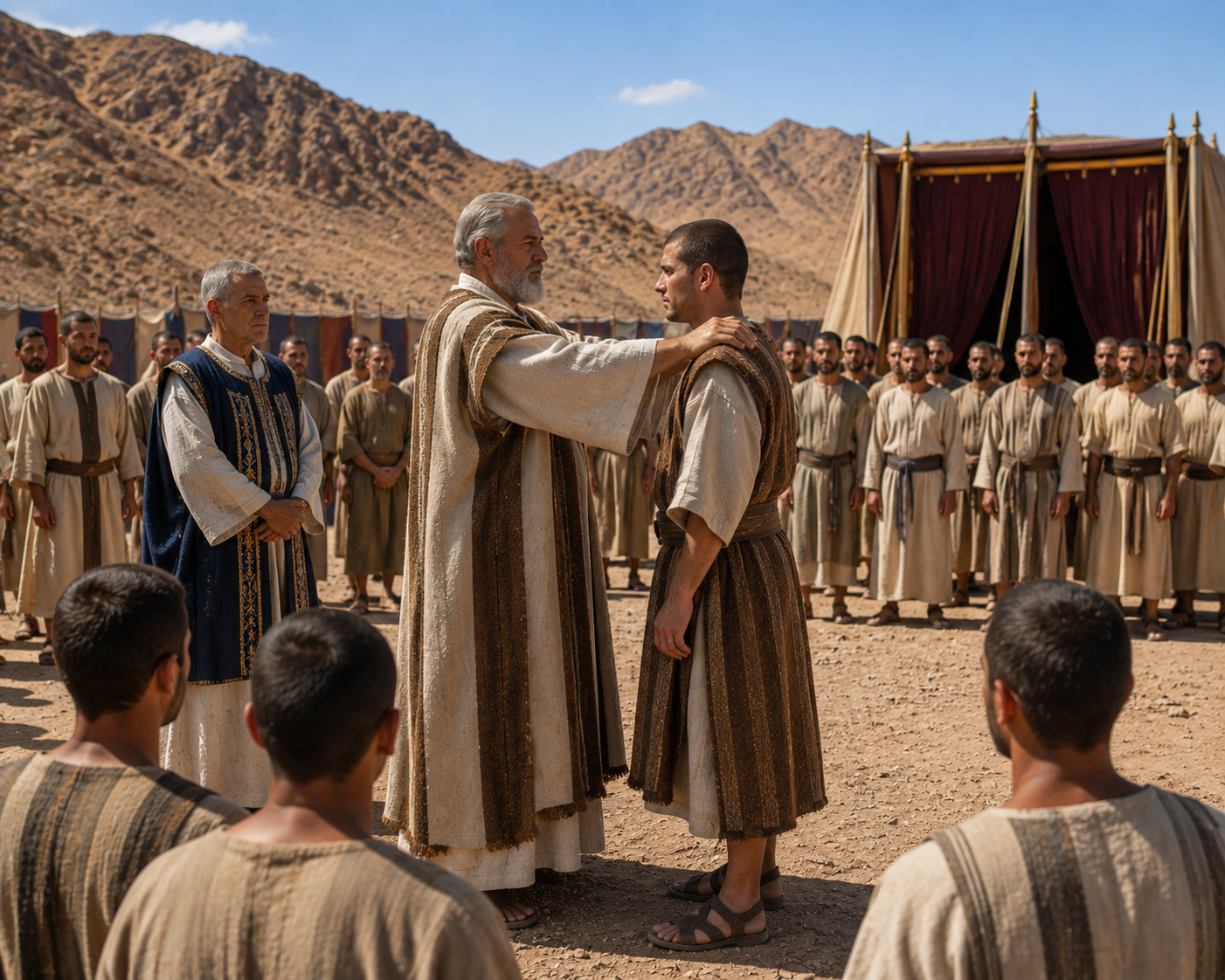
Numbers 27–30 shows God’s ordered guidance for Israel: inheritance, Joshua’s appointment, worship offerings, holy feasts, and vows under the LORD.
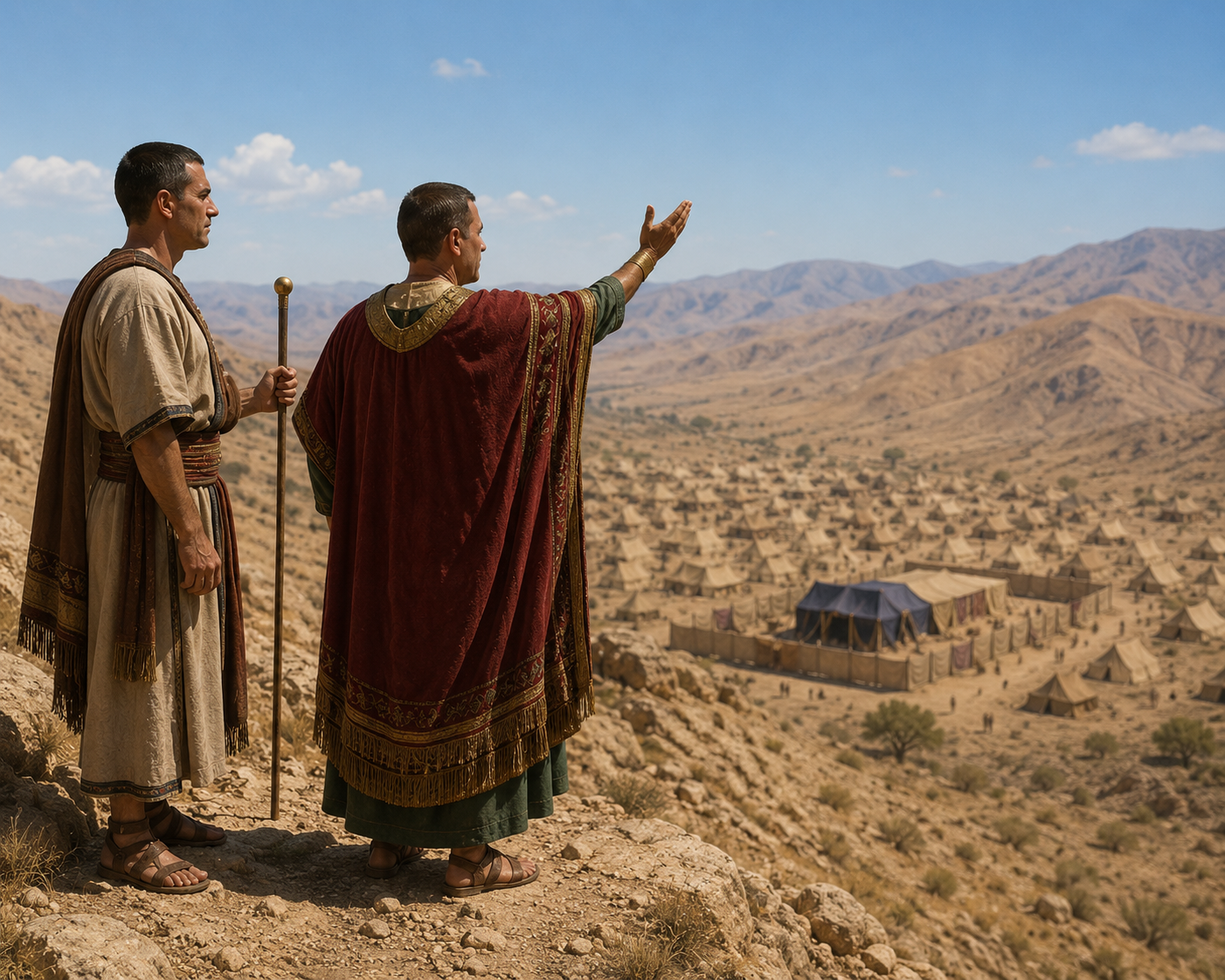
Numbers 21–23 shows God judging sin, preserving Israel, and turning Balak’s curse into blessing through Balaam, proving His sovereign power.
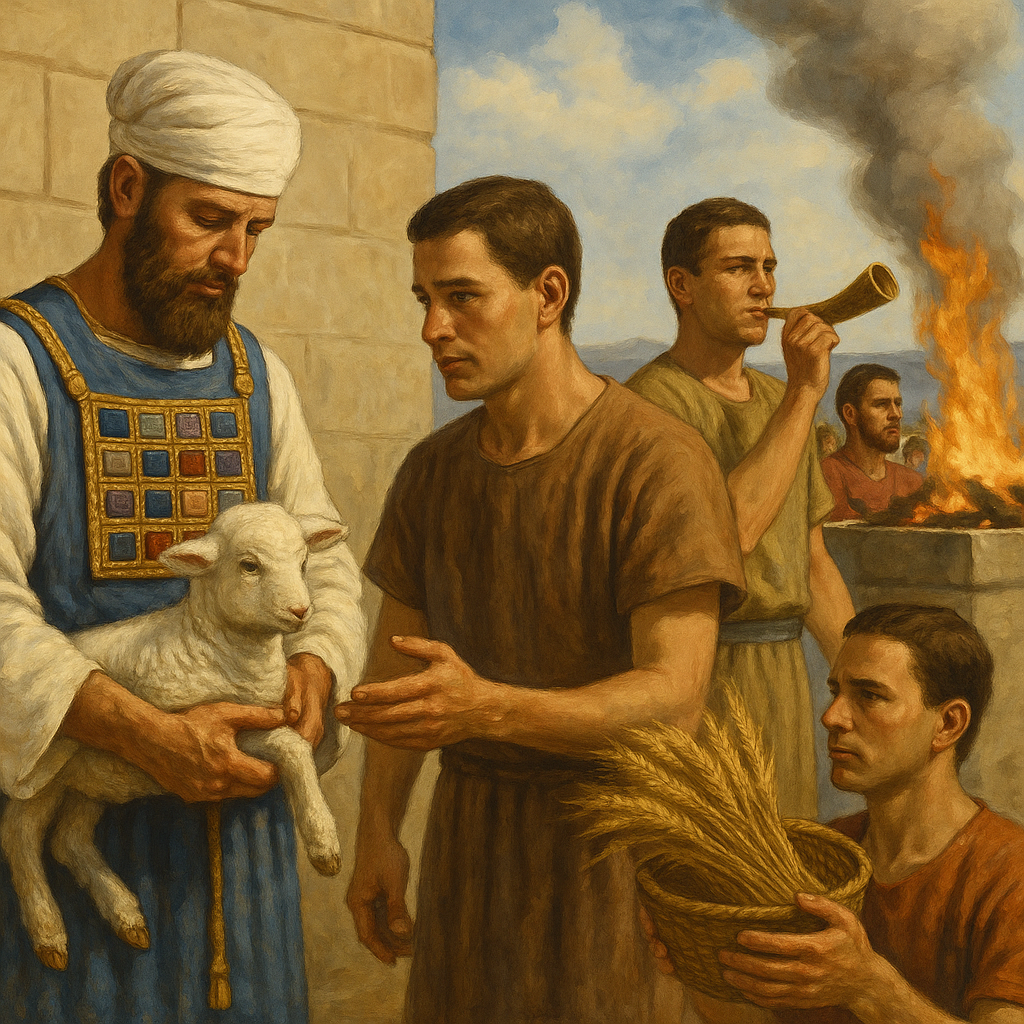
Leviticus 22–23 reveals God’s holiness in priestly service, acceptable sacrifice, and Israel’s appointed feasts, centered on worship by His command.

Leviticus 16–18 reveals God’s holy way of atonement, the sanctity of blood, and the call to moral separation and holiness.
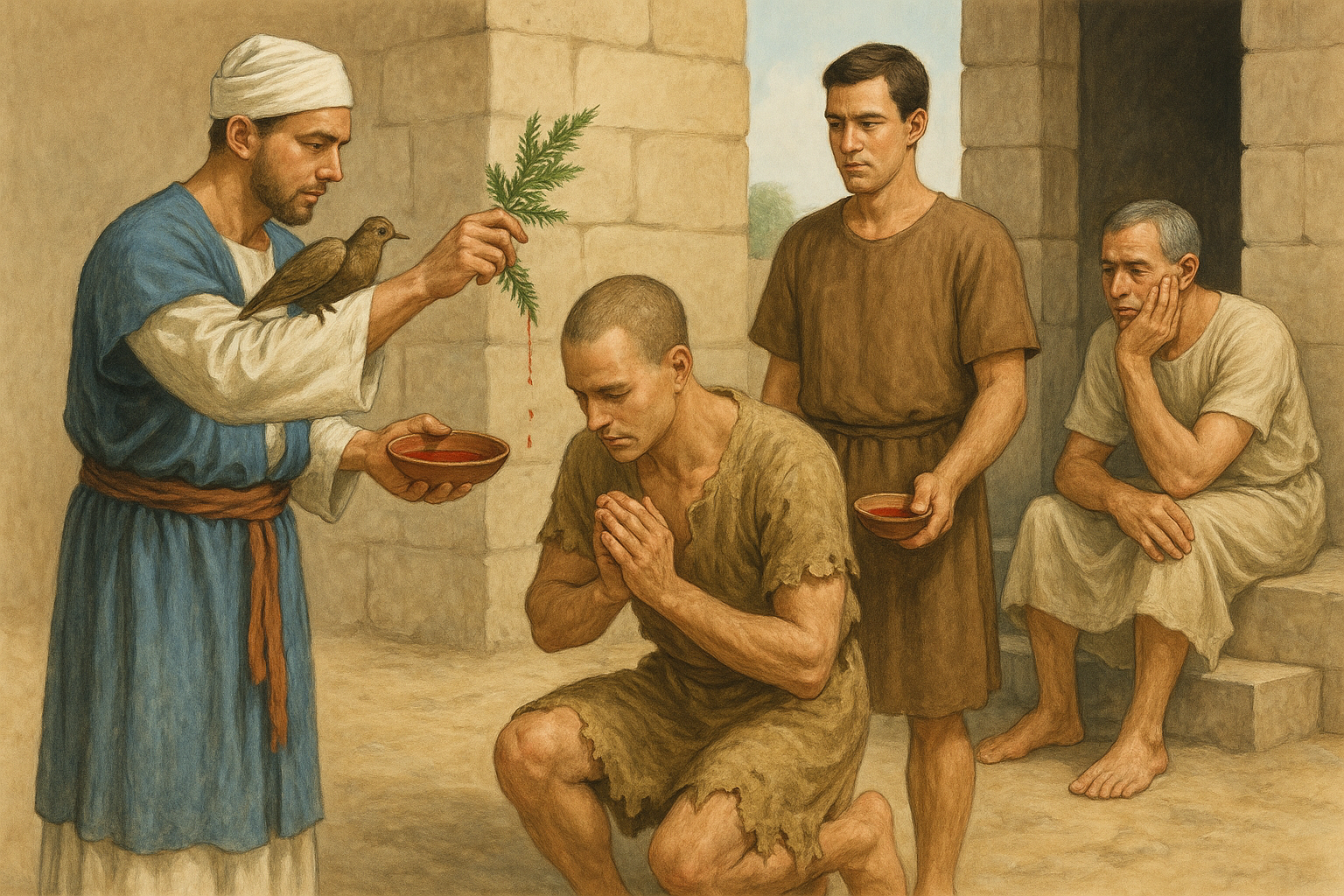
Leviticus 14–15 explains cleansing after leprosy and bodily uncleanness, showing God’s holiness and Israel’s need for ceremonial purity.
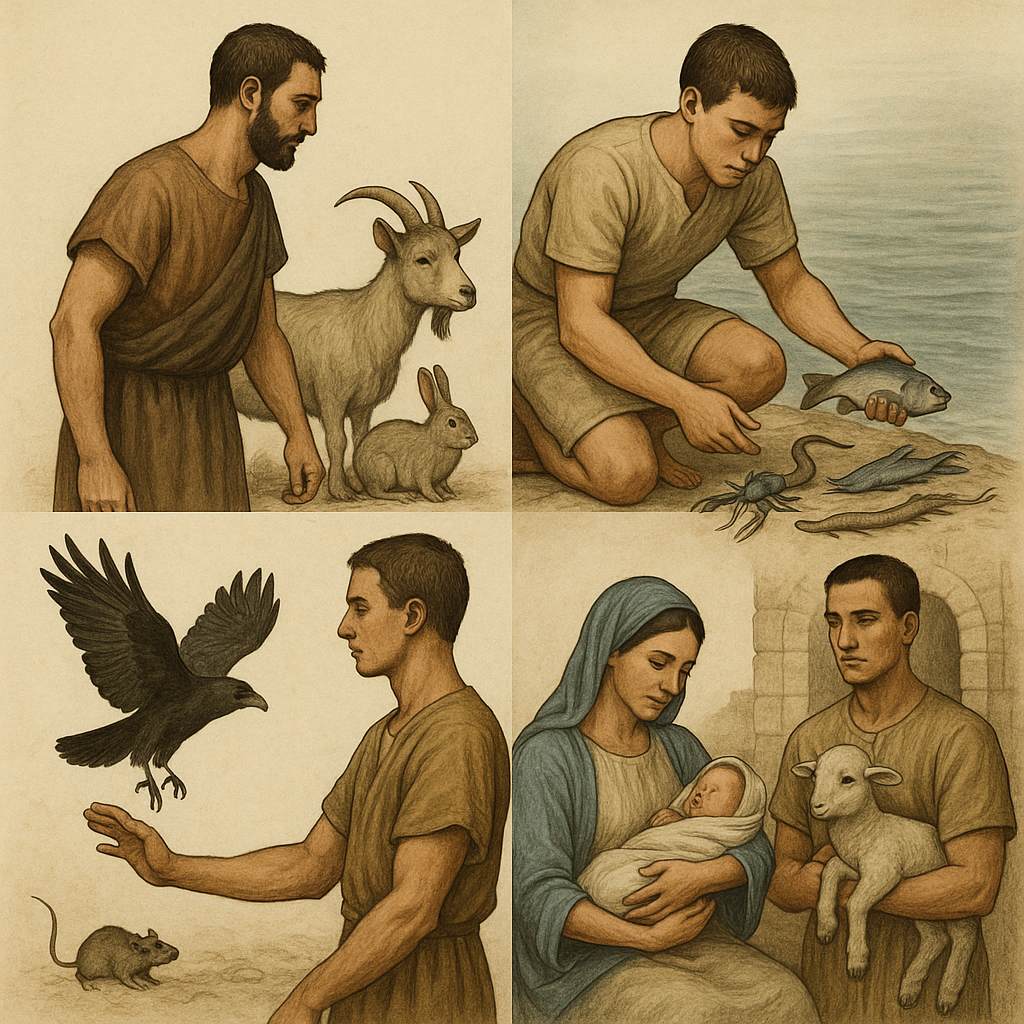
Leviticus 11–12 explains Israel’s clean and unclean laws, childbirth purification, and God’s call to holiness, obedience, and atonement.

Leviticus 7–10 reveals God’s holiness, priestly consecration, and the danger of worshiping Him on human terms.
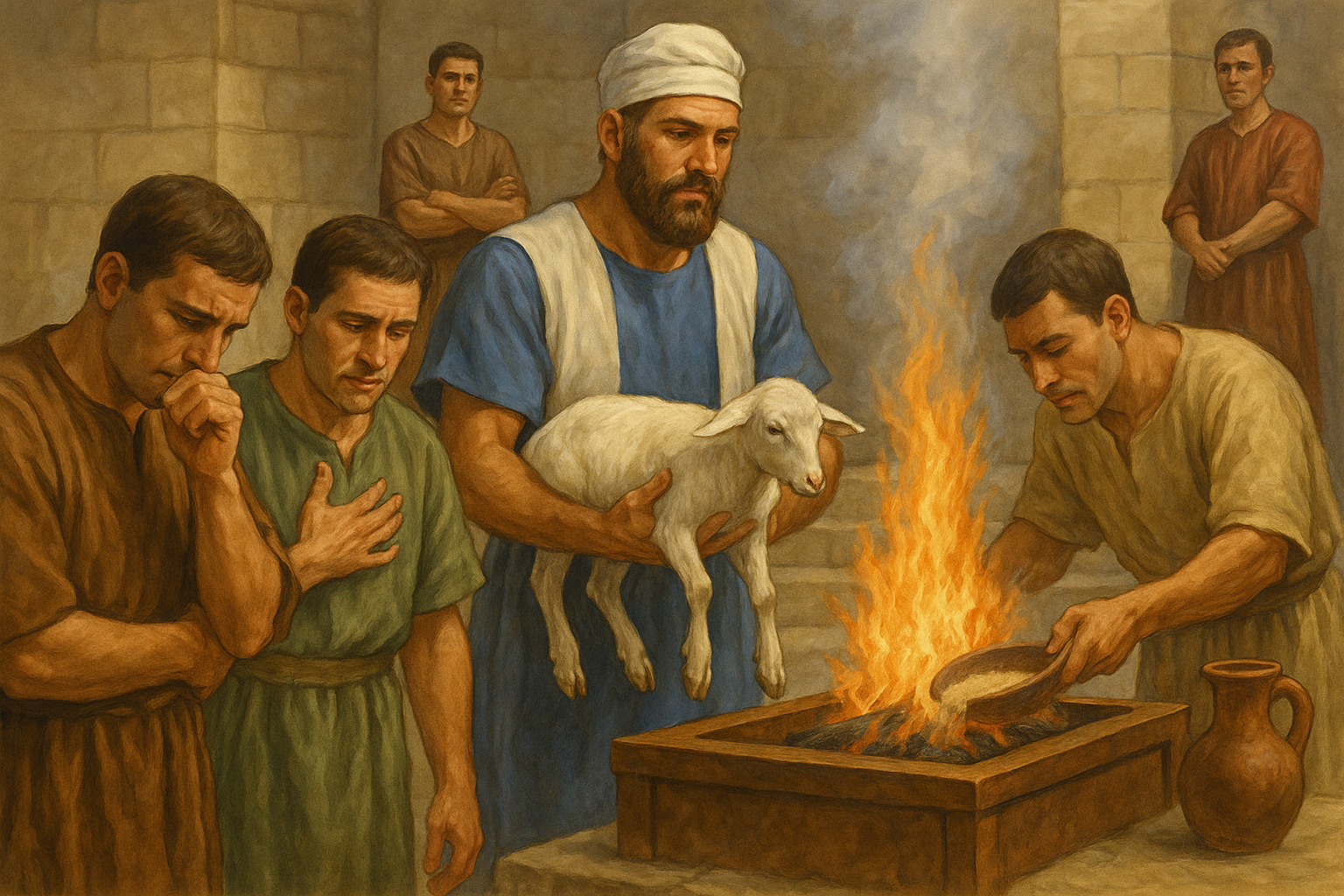
Leviticus 5–6 explains guilt, confession, restitution, and priestly sacrifice, showing God’s holiness, justice, and mercy under the Mosaic law.
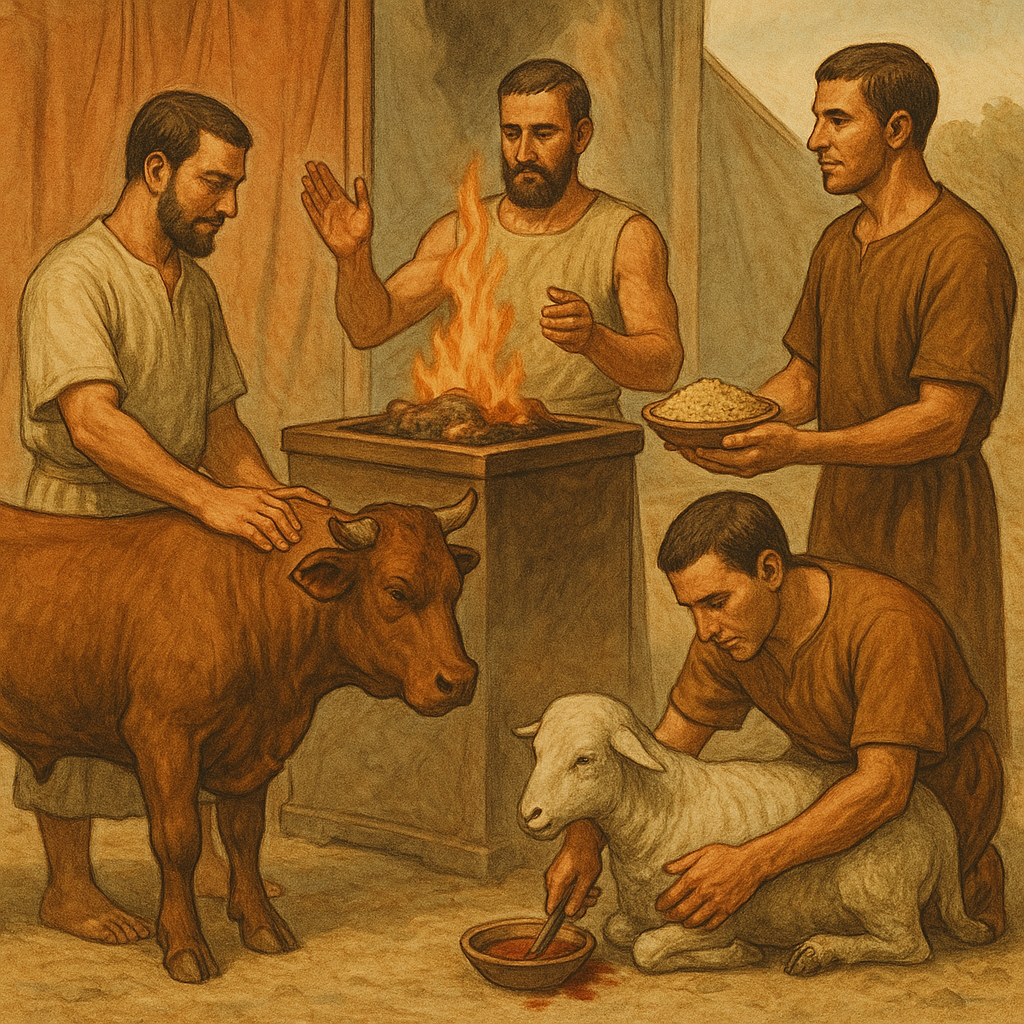
Leviticus 1–4 explains God’s sacrificial system, the meaning of atonement, and how these offerings point to Christ’s once-for-all sacrifice.
Exodus 33 starts out with Moses meeting with God “face to face.” It ends with “no […]