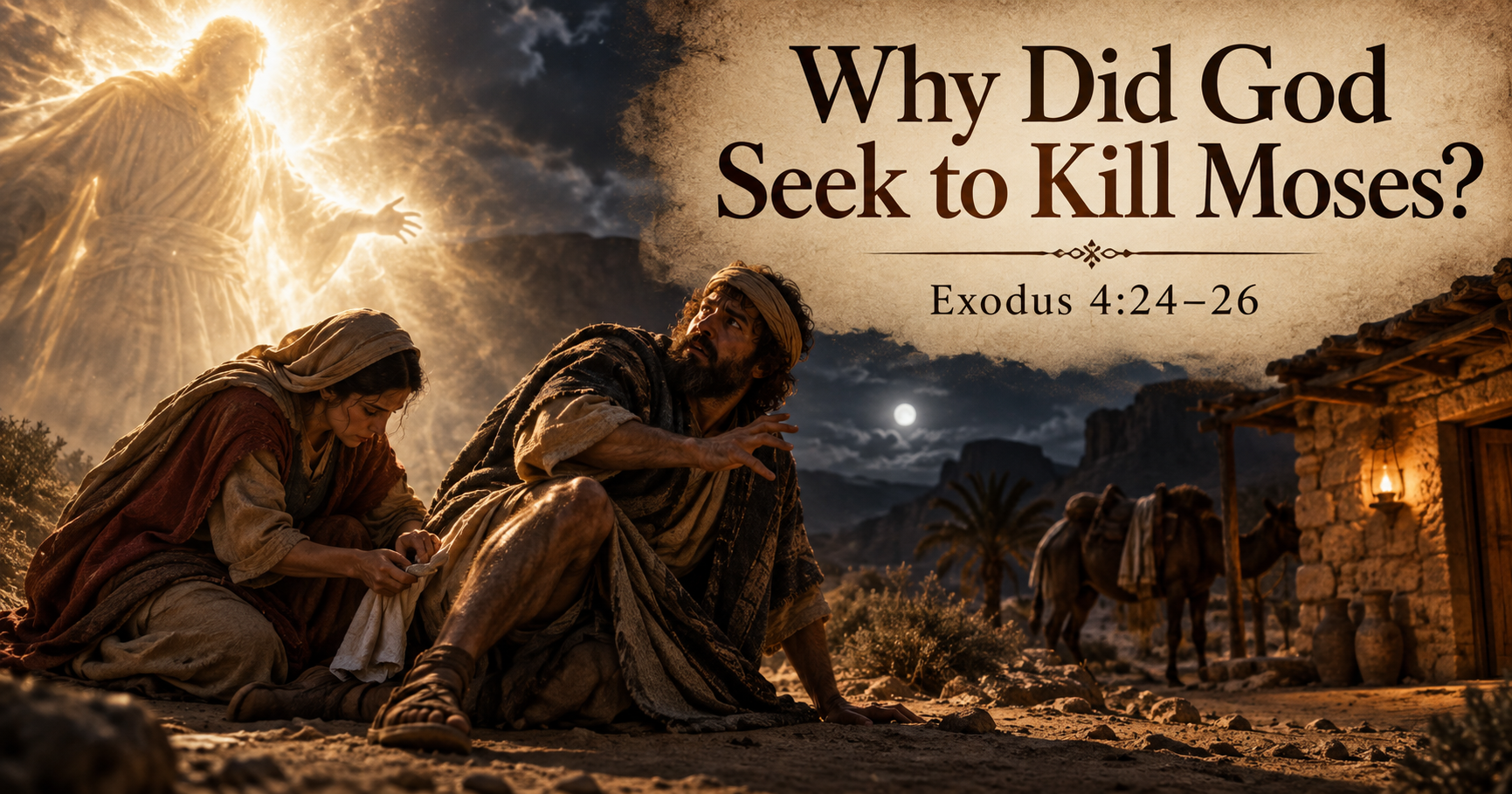
Why did God seek to kill Moses in Exodus 4? This shocking passage reveals the seriousness of covenant obedience and God’s holiness.
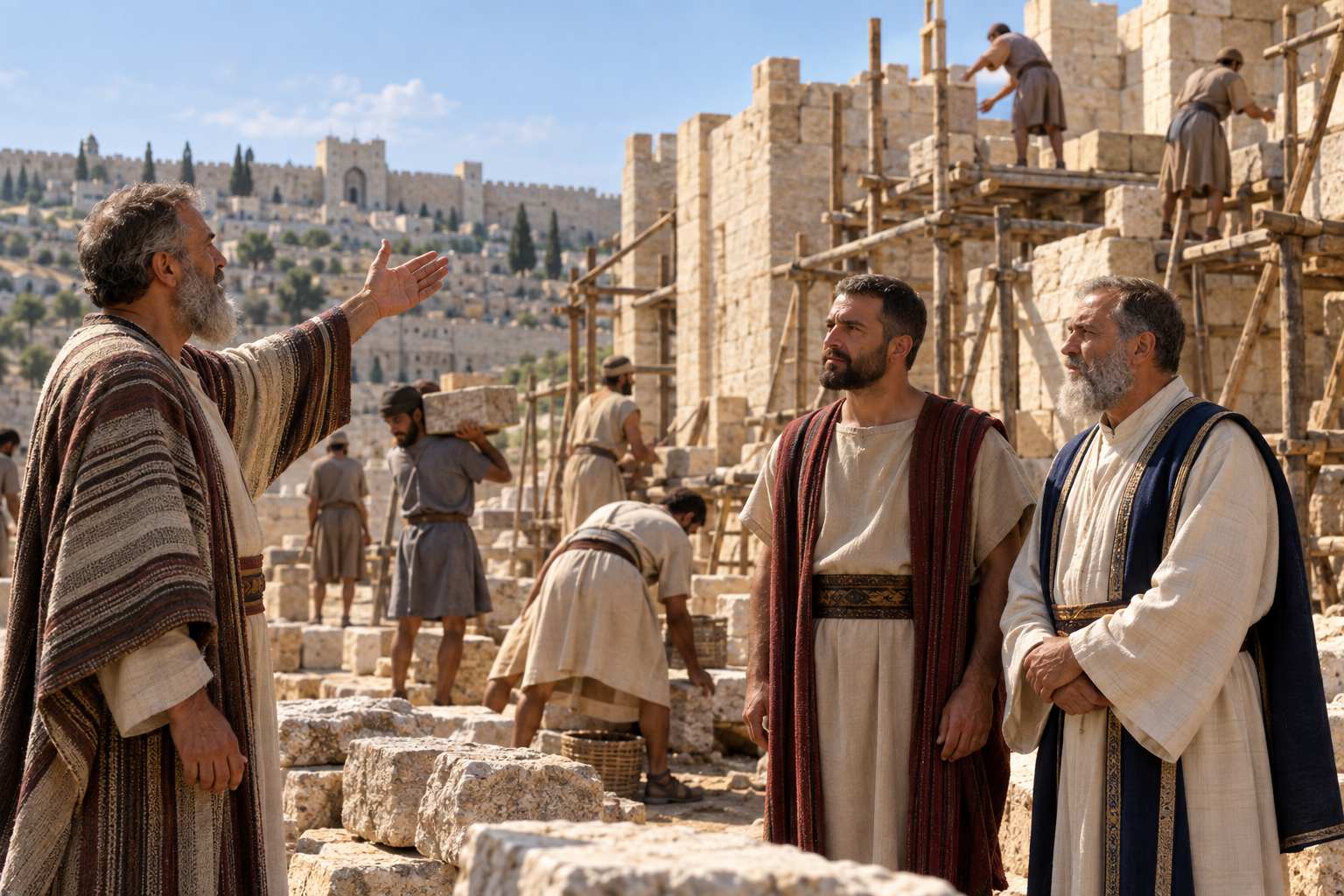
Haggai’s prophetic message calls God’s people to obey, rebuild, and trust the Lord’s presence, holiness, and coming kingdom.

Genesis 36 uses “duke” to mean an Edomite chief or clan leader, not a European nobleman, showing Esau’s descendants’ early tribal rulers.
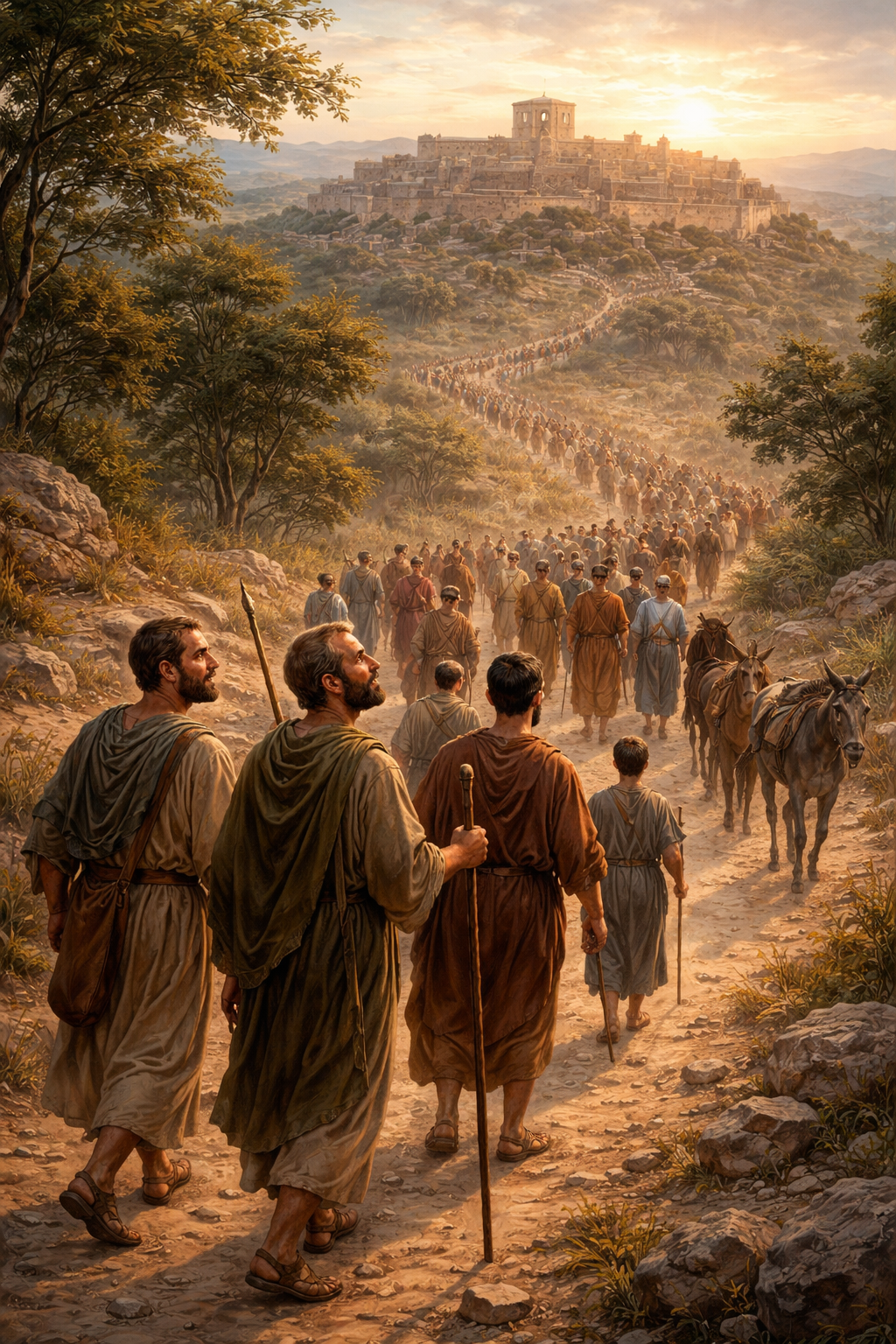
Explore the Psalms of Ascent from Psalm 120 to 134, revealing a pilgrim’s journey from distress to worship, hope, and spiritual growth.
In Genesis 26:8, “sporting” means affectionate, intimate interaction between Isaac and Rebekah, revealing their true marital relationship.
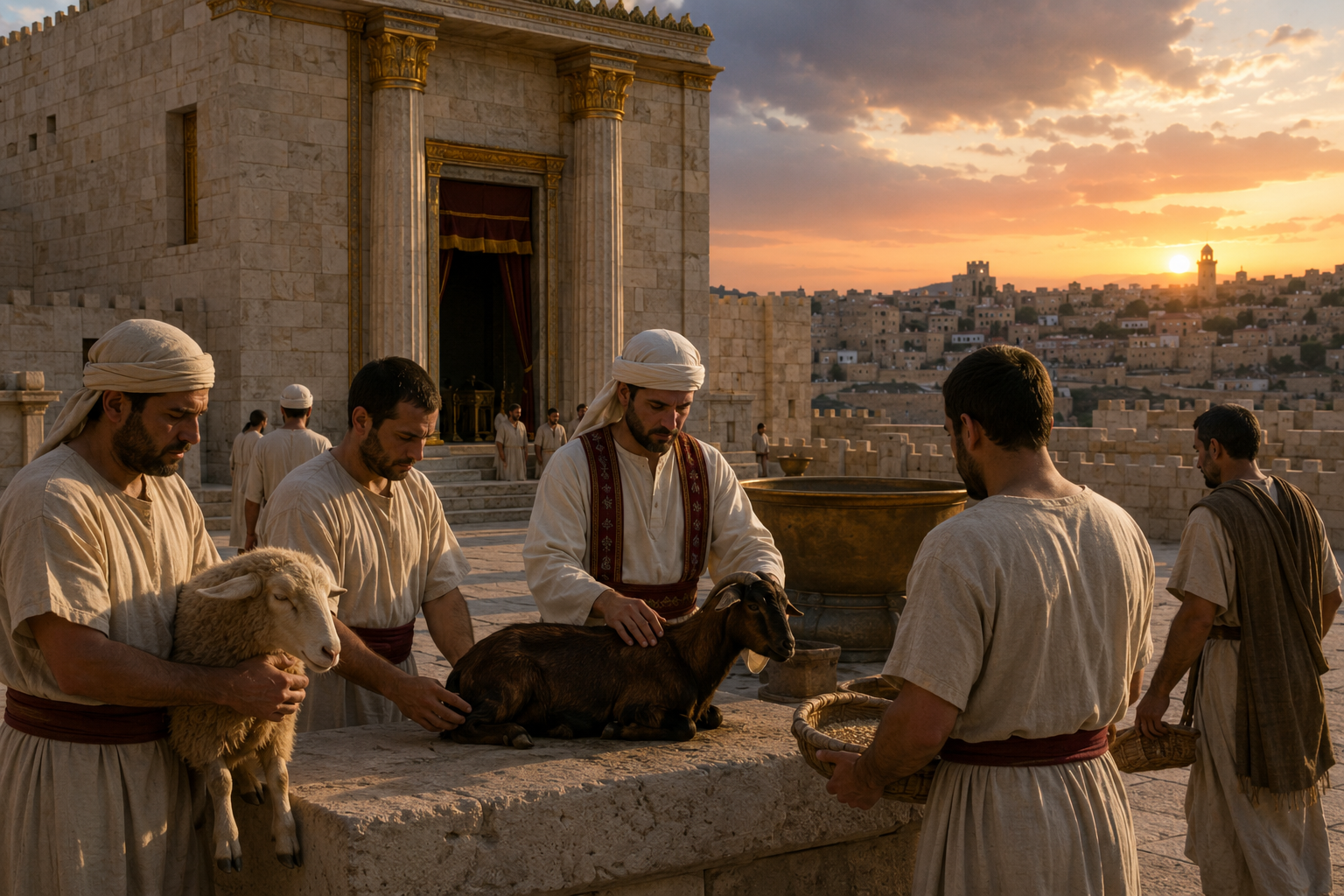
Malachi rebukes dead religion, corrupt worship, and faithless leaders while proclaiming God’s covenant love, coming judgment, and Israel’s hope.

Zechariah 11–14 prophesies Christ’s rejection, Jerusalem’s future repentance, the LORD’s return, and His kingdom reign over all the earth.
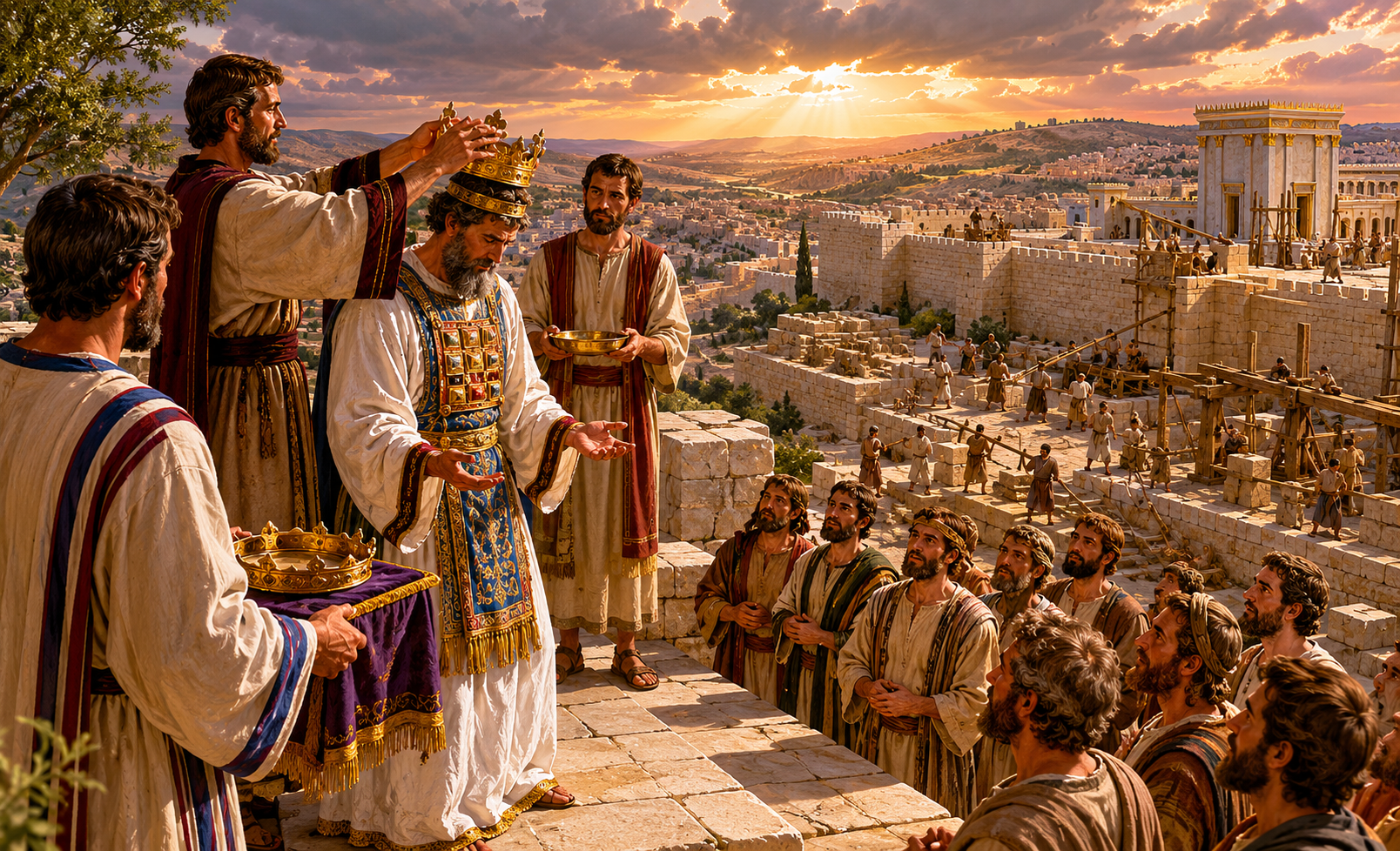
Zechariah 6–10 reveals Christ as Priest-King, exposes empty religion, and promises Israel’s future restoration, Zion’s blessing, and kingdom hope.

Zechariah proclaims repentance, temple rebuilding, and God’s future plan for Jerusalem, Israel, and the Messiah in vivid prophetic visions.

Genesis 9 permits eating meat but forbids consuming blood, with Leviticus and Acts confirming the distinction clearly.
Zephaniah 3:9 KJV promises purified worship and speech, not one earthly tongue, so all may call on the LORD in true unity and faith.