
Moses, Aaron, and Nadab reveal how God’s holiness shapes access, worship, and obedience—and why Christ alone opens the way to Him.

Ezekiel 44–46 is a prophetic, future temple vision using Levitical language, pointing to restored Israel, holy worship, and Christ’s finished work.
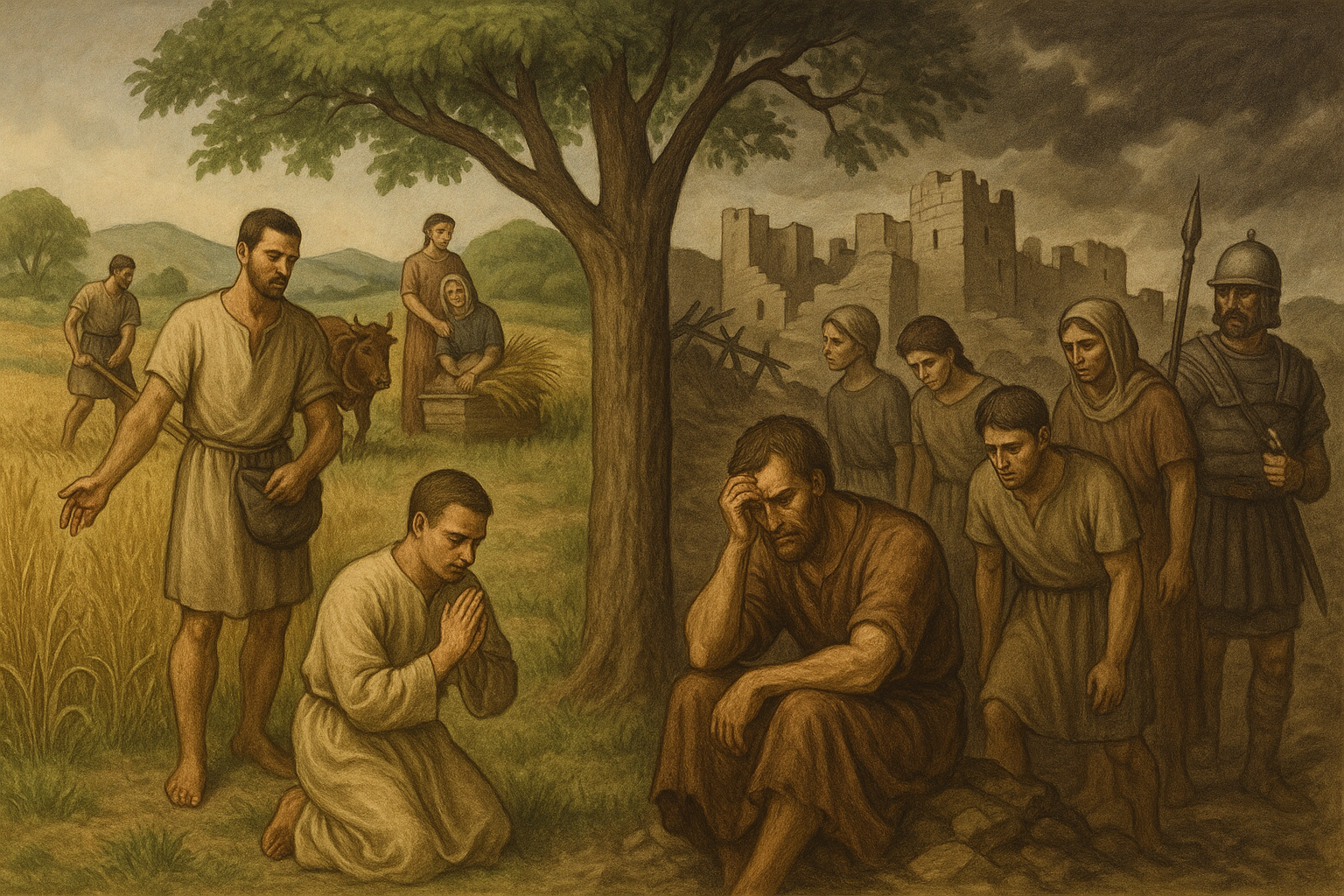
Leviticus 26–27 reveals covenant blessings, chastening, vows, and tithes, highlighting God’s holiness, justice, faithfulness, and Israel’s Sinai law.
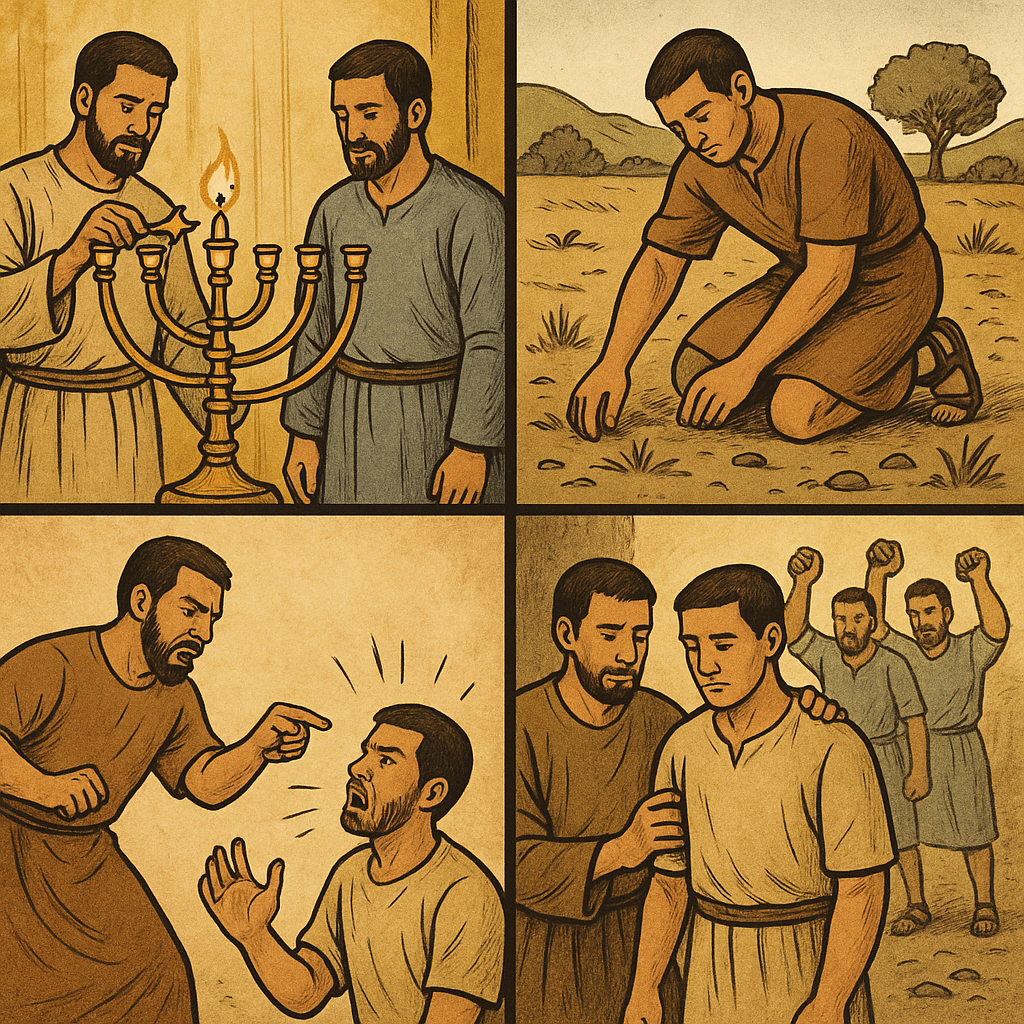
Leviticus 24–25 reveals God’s holiness, justice, and redemption in Israel’s worship, land laws, and covenant care for the poor.
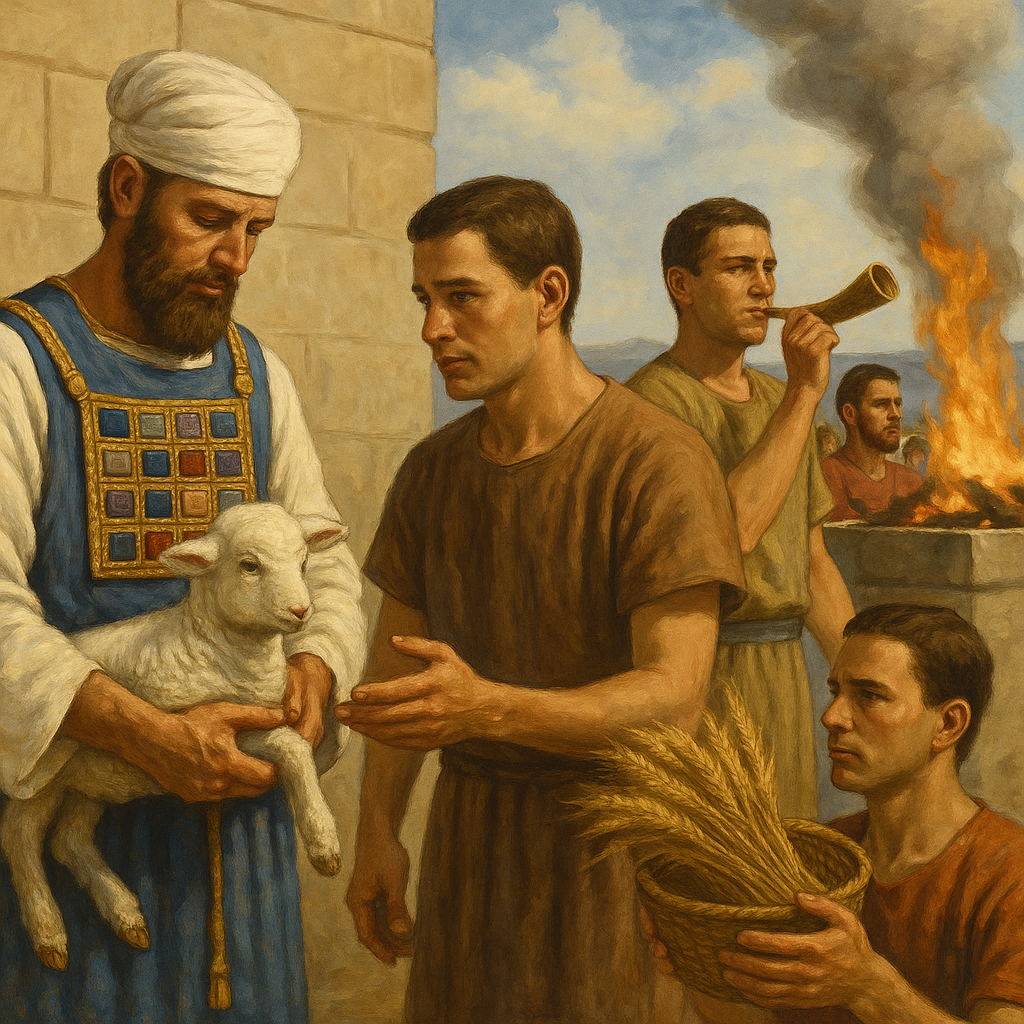
Leviticus 22–23 reveals God’s holiness in priestly service, acceptable sacrifice, and Israel’s appointed feasts, centered on worship by His command.
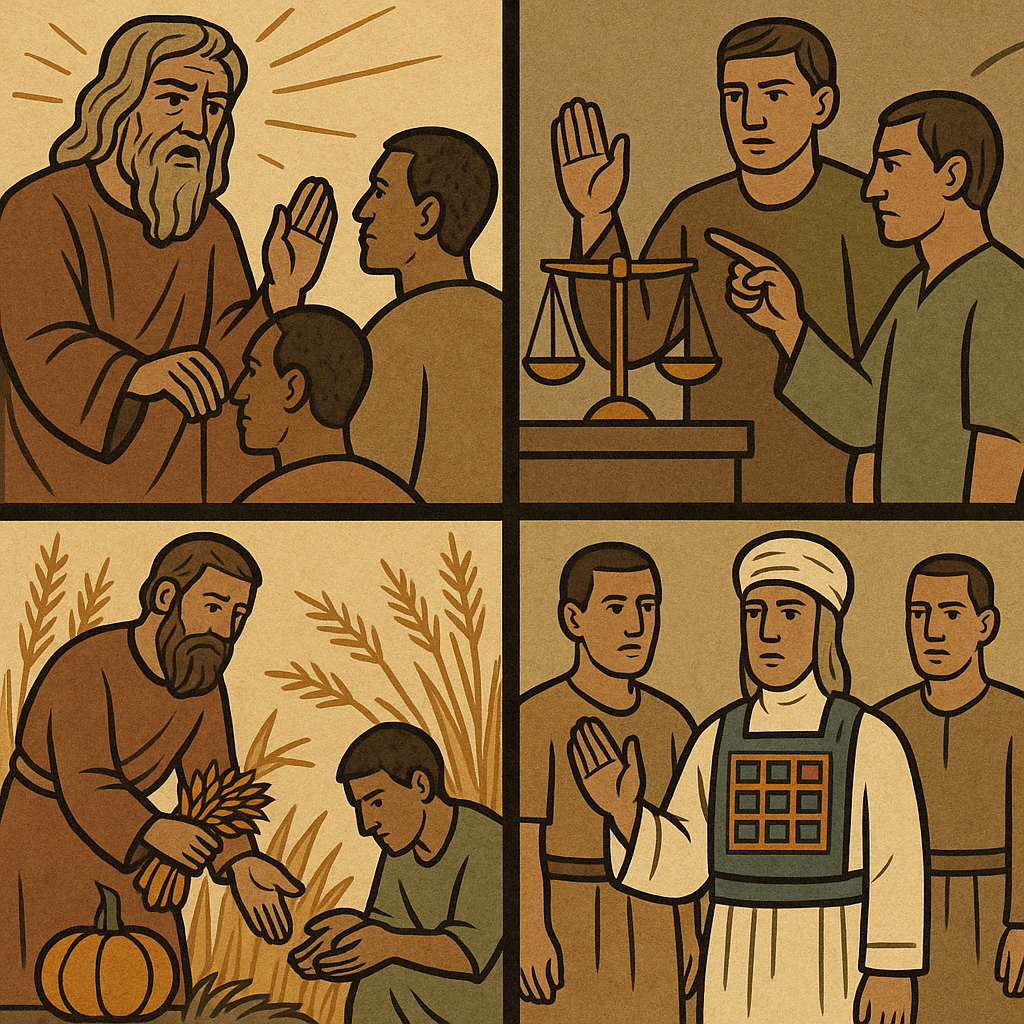
Leviticus 19–21 reveals God’s call to holiness in worship, ethics, family life, and priestly service under the Mosaic covenant.

Leviticus 16–18 reveals God’s holy way of atonement, the sanctity of blood, and the call to moral separation and holiness.
That phrase comes from Leviticus 15:33 (KJV): “And of her that is sick of her flowers, […]
In Leviticus 14:33–53, the “plague” in a house refers to a strange greenish or reddish discoloration […]
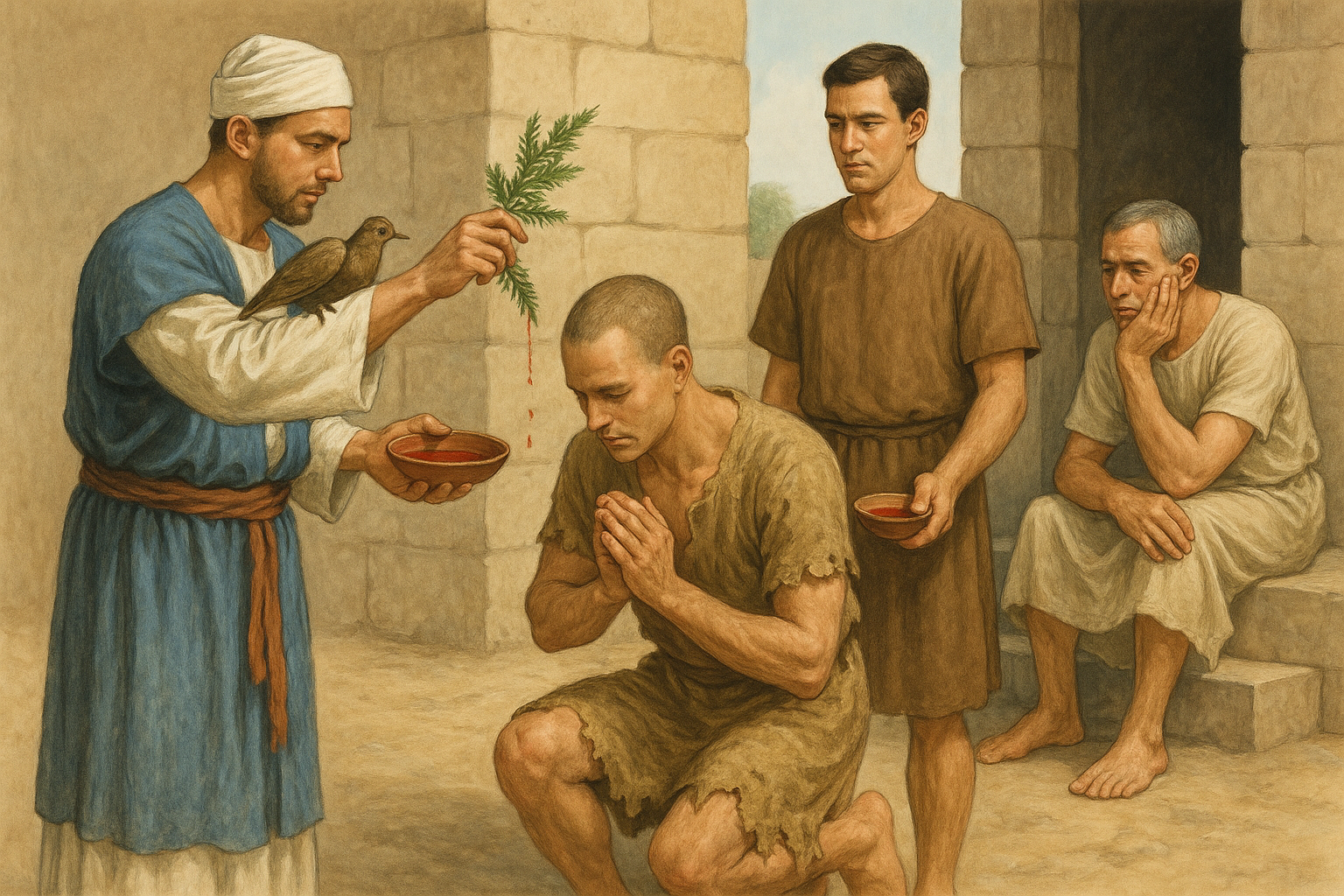
Leviticus 14–15 explains cleansing after leprosy and bodily uncleanness, showing God’s holiness and Israel’s need for ceremonial purity.
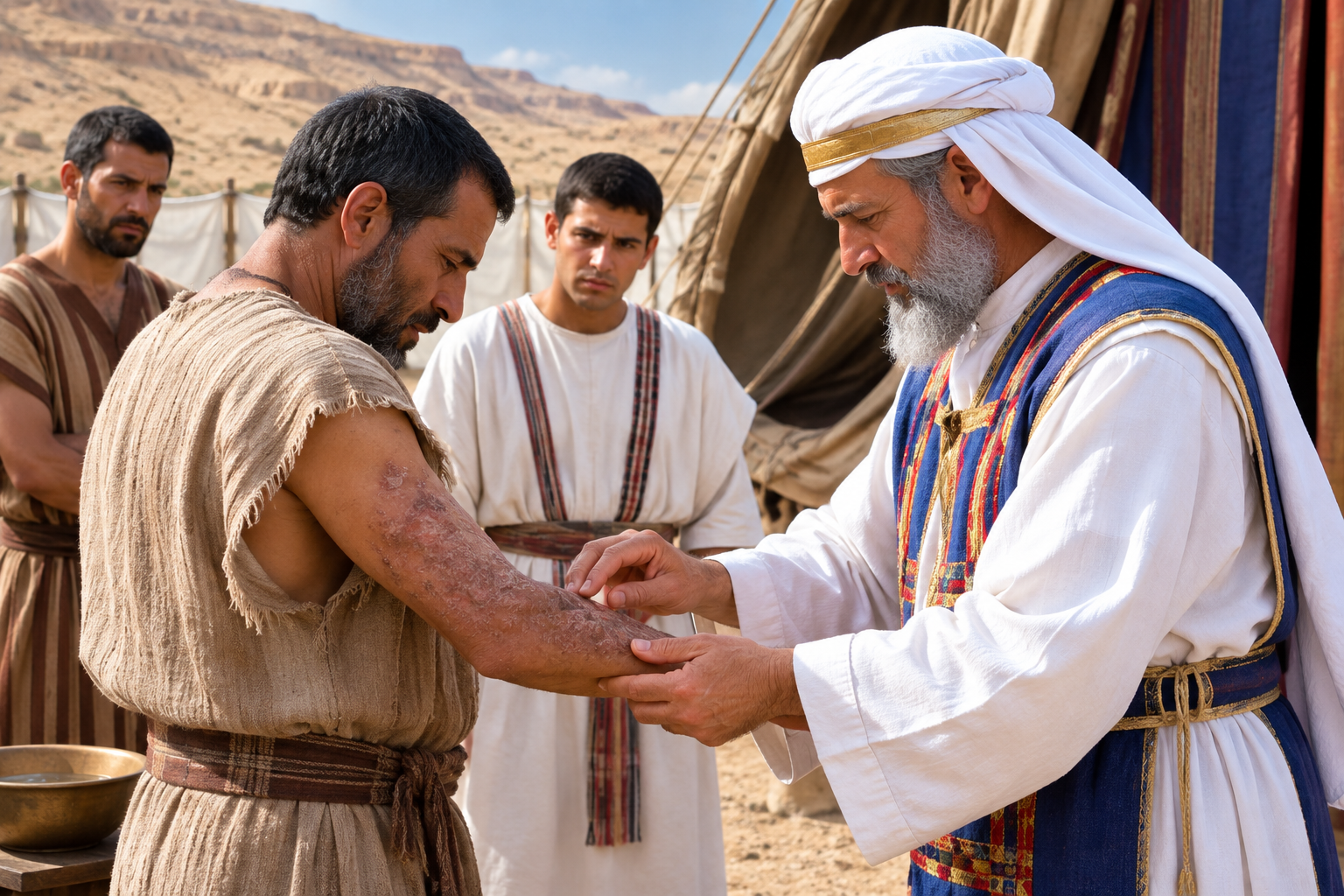
Leviticus 13 details God’s laws for discerning leprosy, clean and unclean conditions, and priestly examination in Israel.