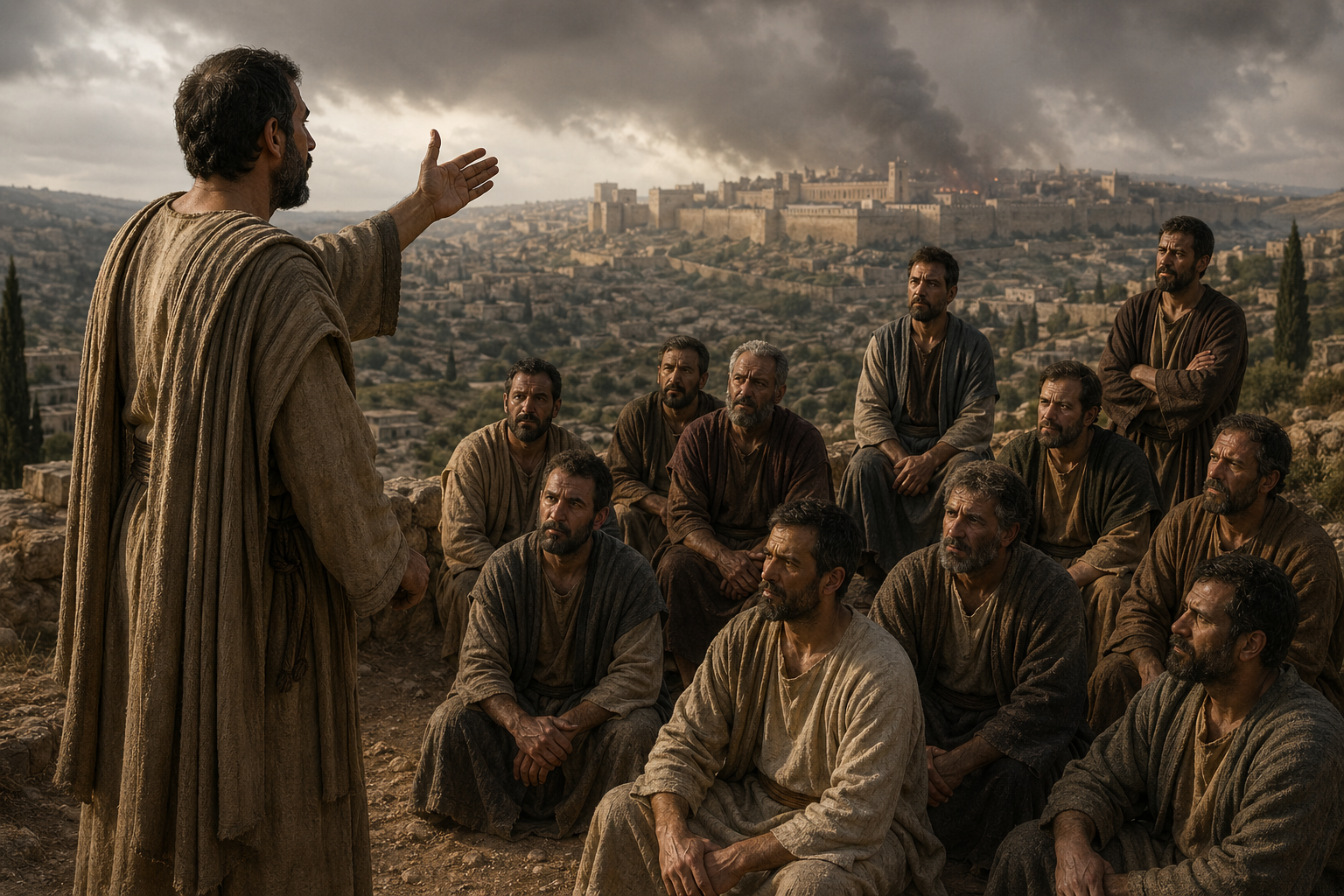
Ezekiel 20–21 forms a closely connected section. Chapter 20 reviews Israel’s long history of rebellion and […]

Not directly. Jeremiah 29 is first referring to the Babylonian captives of Judah in Jeremiah’s own […]
Dispensationalism Defined Dispensationalism is a method of interpreting the Bible that recognizes distinct periods in which […]

Joshua 13–15 reveals the land division, Caleb’s faithful request for Hebron, and Judah’s inheritance, showing God’s promises and Israel’s responsibility.
Deuteronomy 28 contrasts Israel’s covenant blessings and curses, revealing God’s justice, holiness, and the national consequences of obedience or rebellion.

Moses calls Israel to hear God’s Word, love the LORD alone, teach their children, and reject idolatry as they enter the promised land.
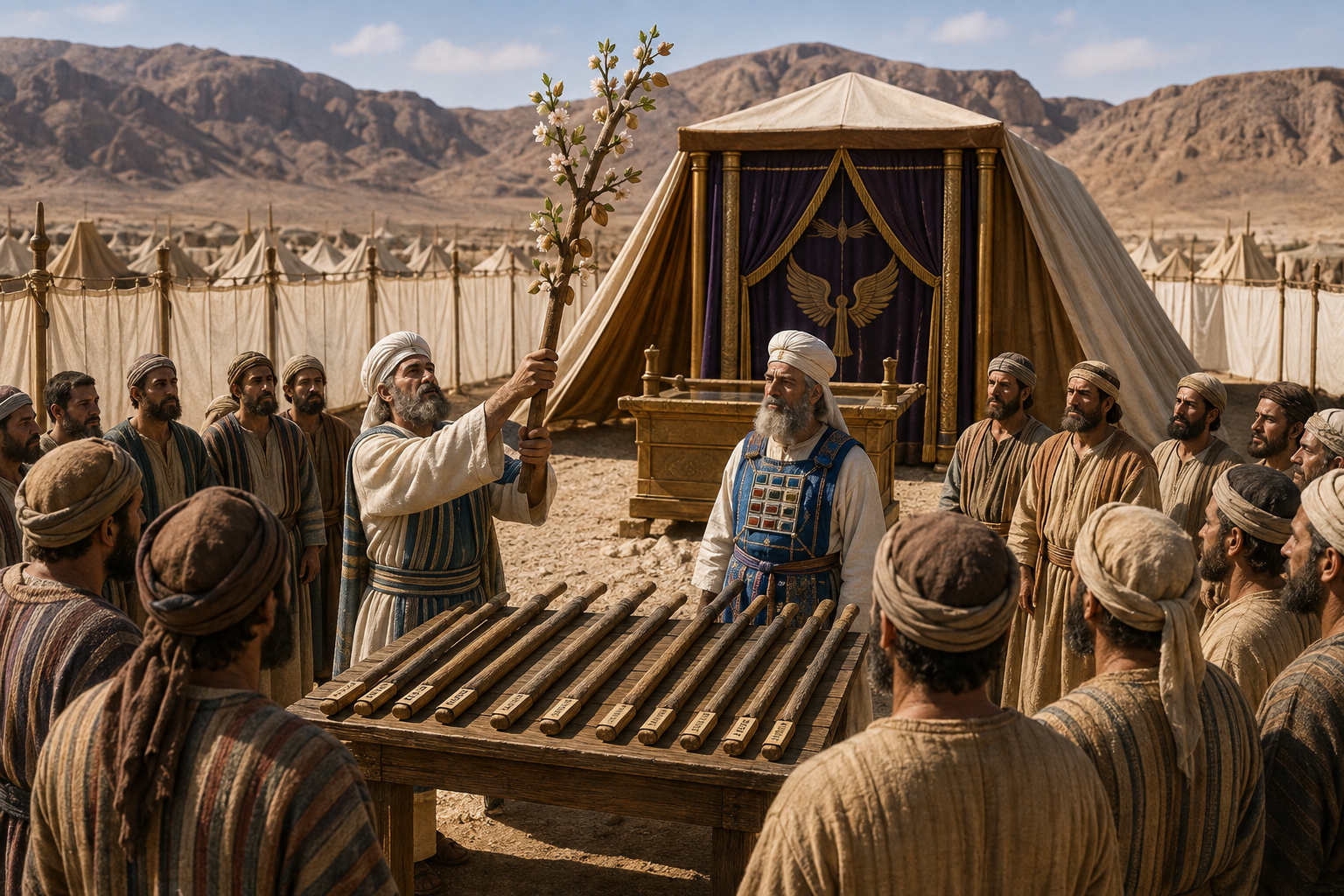
Numbers 15–17 reveal God’s holiness, judgment on rebellion, and the confirmation of Aaron’s priesthood, showing that His Word must be obeyed.
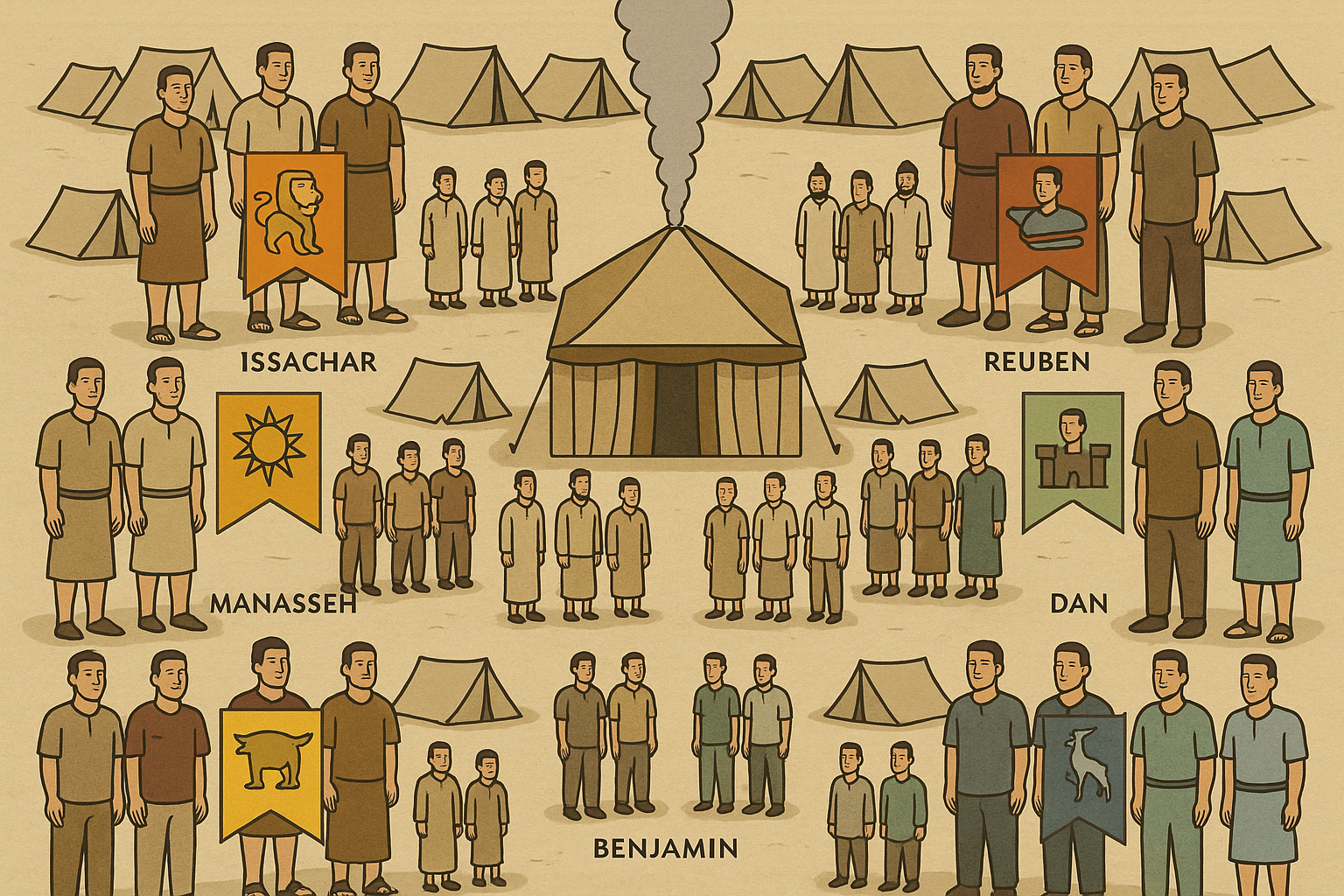
Numbers 1–2 shows Israel ordered around the tabernacle, numbered for war, and called to obey God’s commands with holiness and precision.
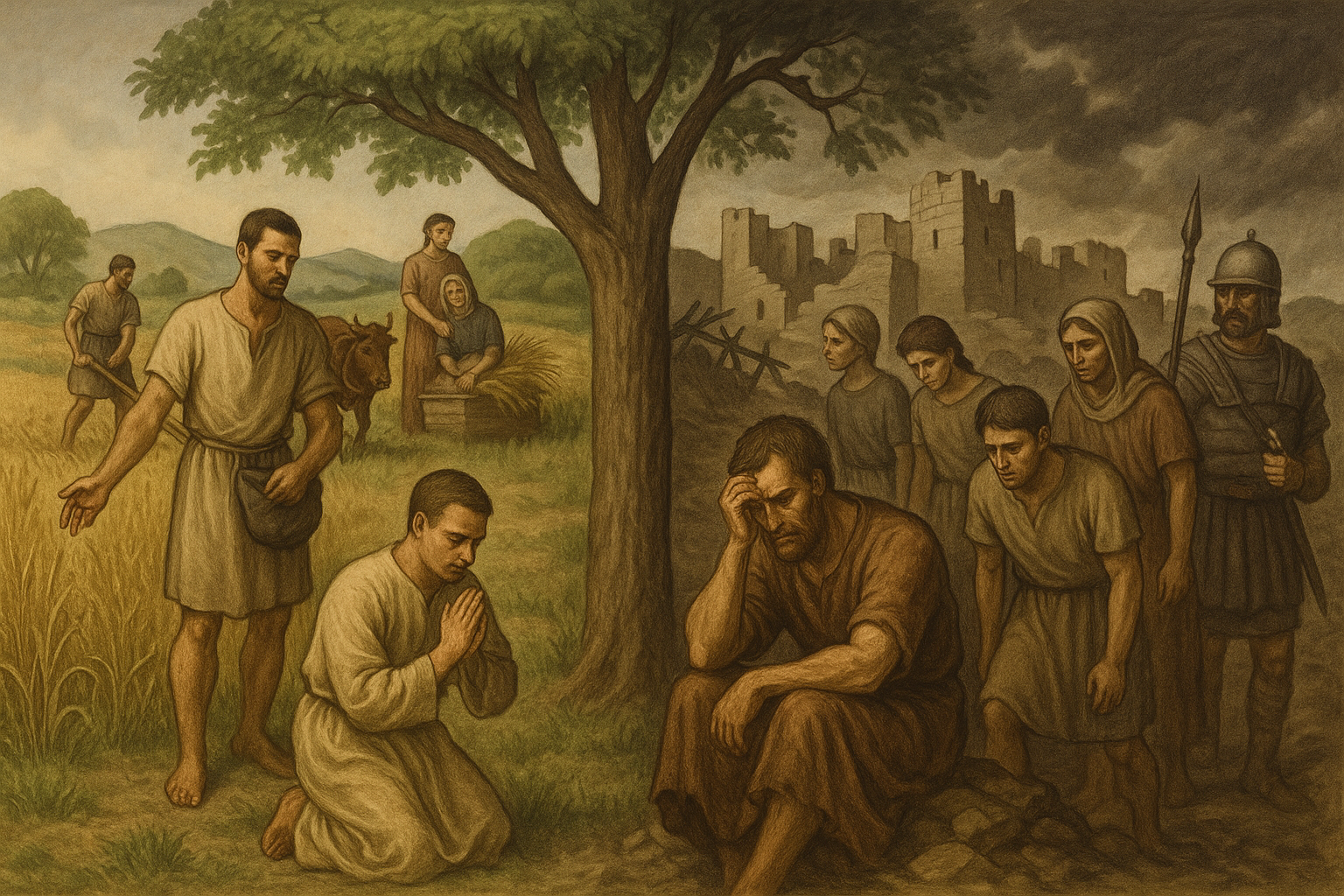
Leviticus 26–27 reveals covenant blessings, chastening, vows, and tithes, highlighting God’s holiness, justice, faithfulness, and Israel’s Sinai law.
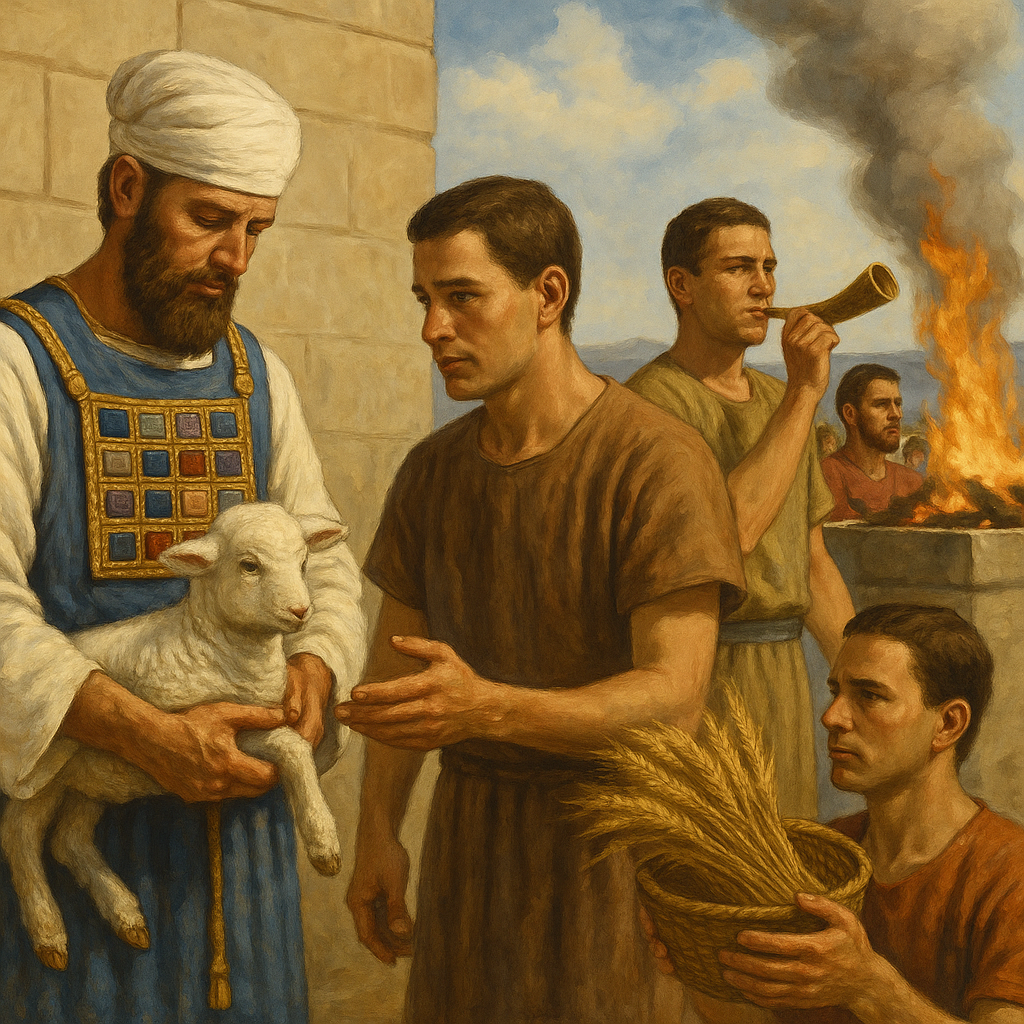
Leviticus 22–23 reveals God’s holiness in priestly service, acceptable sacrifice, and Israel’s appointed feasts, centered on worship by His command.
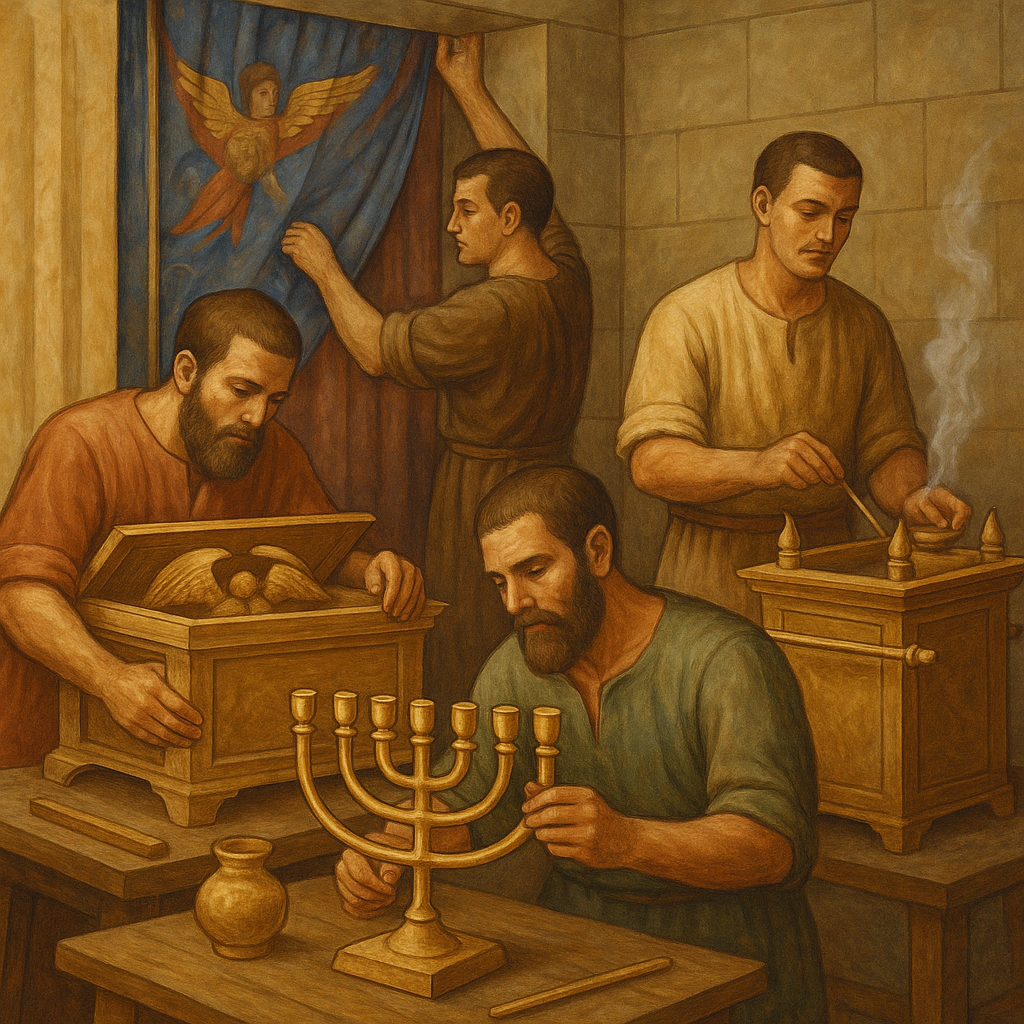
Exodus 36–37 shows the tabernacle built exactly as God commanded, revealing obedient worship, skilled craftsmanship, and generous giving.