Chapter Summaries
Psalm 19
God reveals Himself in two clear ways: creation and Scripture. “The heavens declare the glory of God” shows general revelation, while “the law of the LORD is perfect” shows special revelation. David moves from awe at God’s power to submission under God’s Word, ending with a prayer for purity and acceptability before the LORD.
Psalm 20
A prayer for the king before battle. The people ask the LORD to hear, help, and defend His anointed. Confidence is placed not in military strength—“some trust in chariots”—but in the name of the LORD. This psalm highlights dependence on God for victory.
Psalm 21
A thanksgiving psalm following victory. The king rejoices in the strength and salvation of the LORD. God’s favor, long life, and crown of glory are acknowledged as divine gifts. The psalm affirms God’s power over enemies and His faithfulness to His chosen king.
 Psalm 22
A profound messianic psalm beginning with suffering—“My God, my God, why hast thou forsaken me”—and moving toward ultimate deliverance and praise. While rooted in David’s experience, the language clearly points forward to the sufferings of Christ, including mockery, pierced hands and feet, and casting lots for garments.
Psalm 23
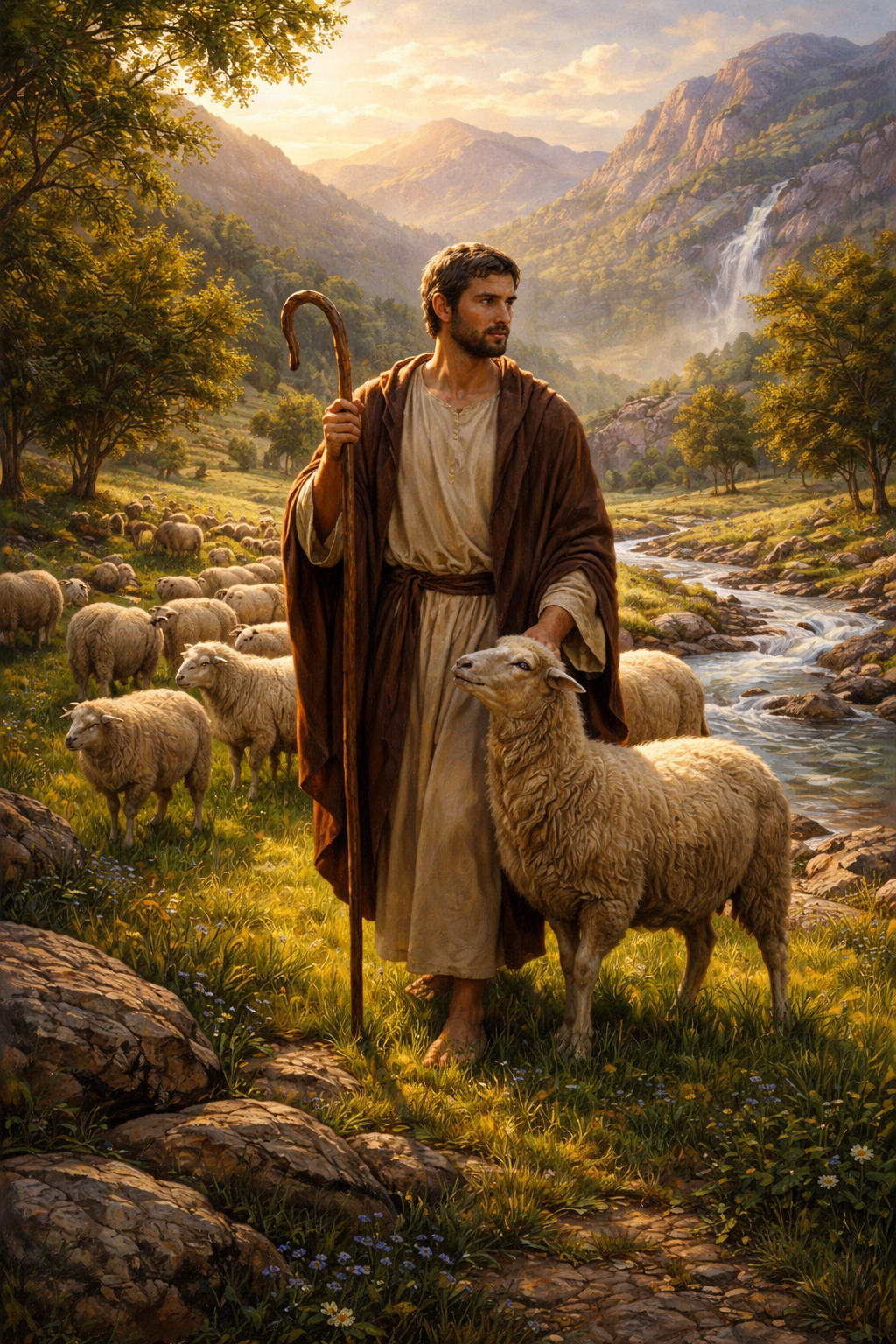
The LORD is portrayed as the Shepherd who provides, guides, protects, and preserves His sheep. Even in the “valley of the shadow of death,” there is no fear because of God’s presence. The psalm ends with assurance of lifelong fellowship with the LORD.
Psalm 24
A psalm of worship declaring God’s ownership of all creation and the moral requirements for approaching Him. Clean hands and a pure heart are required. The psalm climaxes with the triumphant entrance of the “King of glory,” the LORD strong and mighty.
Psalm 25
A prayer for guidance, forgiveness, and protection. David contrasts the LORD’s mercy and truth with human weakness and sin. He emphasizes trusting God’s paths and covenant faithfulness, especially for those who fear Him.
Psalm 26
David appeals to God for vindication, claiming integrity and separation from the wicked. He affirms love for the house of the LORD and refuses fellowship with sinners. The psalm reflects a life examined by God and lived in uprightness.
Psalm 27
A declaration of confidence in the LORD amid enemies and danger. God is described as light, salvation, and strength. David expresses a deep desire to dwell in the house of the LORD and closes with encouragement to “wait on the LORD.”
Key People and Places
- David — Primary human author; speaks from personal experience of conflict, faith, repentance, and worship.
- Jesus Christ — Prophetically foreshadowed in Psalm 22 through detailed descriptions of suffering and eventual triumph.
- Jerusalem — Implied center of worship and the dwelling place of the LORD in Psalms 24 and 27.
- Zion — Represents God’s holy dwelling and kingship, especially in royal and worship contexts.
Main Doctrinal or Spiritual Themes
- Divine Revelation — God reveals Himself through creation and Scripture (Psalm 19).
- Trust in the LORD — Victory and security come from God, not human strength (Psalms 20–21).
- Messianic Prophecy — Psalm 22 presents Christ’s suffering and ultimate praise.
- God’s Shepherd Care — The LORD’s personal guidance and protection of believers (Psalm 23).
- Holiness and Worship — Moral purity is required to approach a holy God (Psalm 24).
- Repentance and Mercy — God forgives and teaches sinners who fear Him (Psalm 25).
- Separation from Evil — The righteous refuse fellowship with the wicked (Psalm 26).
- Confidence and Perseverance — Believers are called to wait on the LORD despite fear (Psalm 27).
Practical Applications or Lessons
- Submit daily to God’s Word as the final authority for life and conduct.
- Place confidence in the LORD rather than resources, strength, or circumstances.
- Remember that suffering does not negate God’s purpose or ultimate victory.
- Walk in holiness and separation while maintaining humility and repentance.
- Take comfort in God’s constant presence, especially in fear or uncertainty.
- Cultivate a desire for worship and fellowship with God above all else.
- Learn to wait patiently on the LORD, trusting His timing and faithfulness.
Comments are closed