Chapter Summaries
Proverbs 21
This chapter emphasizes the sovereignty of God over human authority and the moral contrast between righteousness and wickedness.
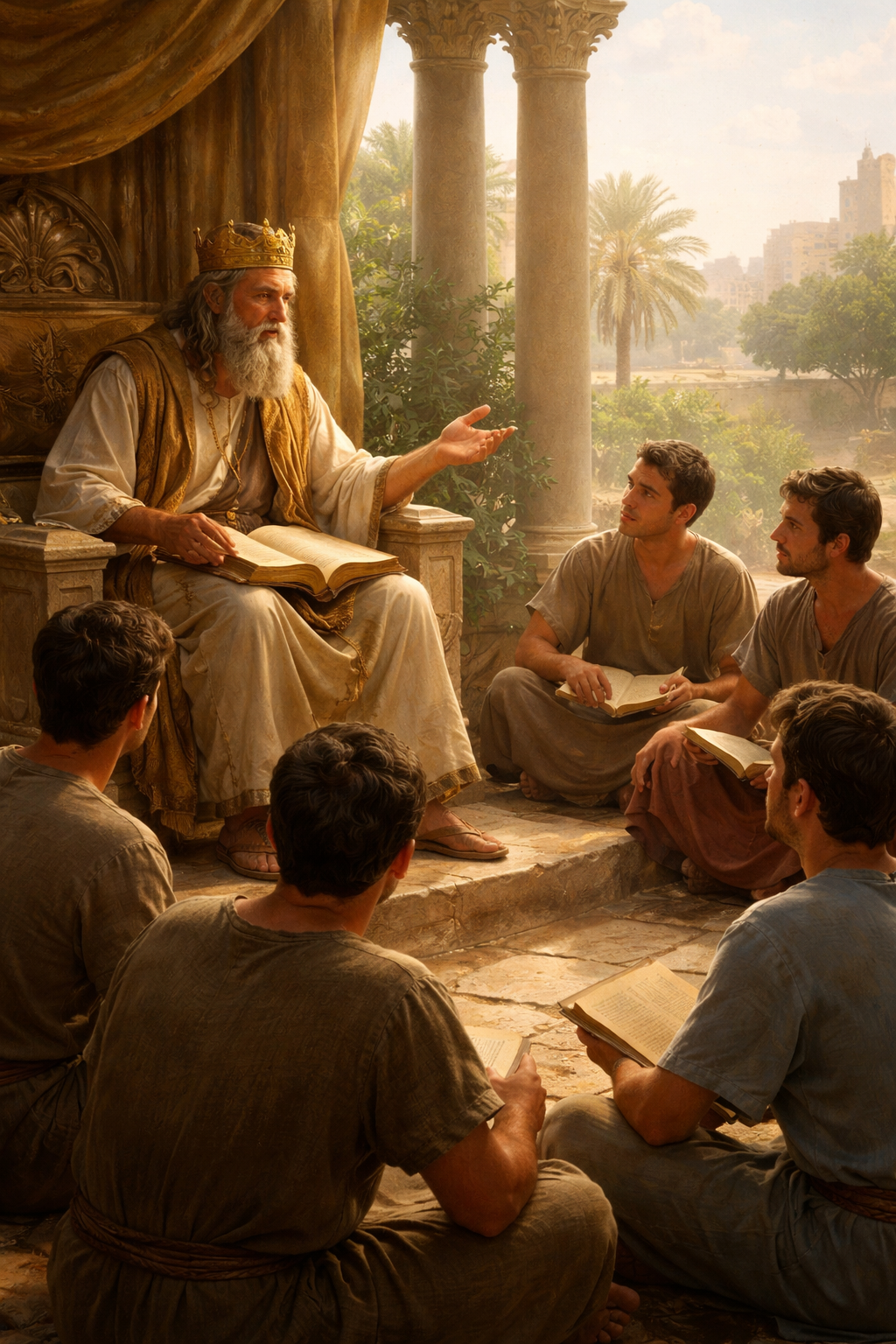
 The chapter begins with a powerful statement about divine control: “The king’s heart is in the hand of the LORD, as the rivers of water: he turneth it whithersoever he will” (21:1). Even rulers, who appear powerful, ultimately operate under God’s providential direction. Conservative commentators often note that this teaches believers to trust God even when political powers seem unjust.
Verse 2 reminds that “Every way of a man is right in his own eyes: but the LORD pondereth the hearts.” Human self-justification is common, but God judges motives, not merely outward actions.
A major theme is that obedience is more valuable than religious ritual: “To do justice and judgment is more acceptable to the LORD than sacrifice” (21:3). This reflects the consistent biblical truth that God desires genuine righteousness rather than empty religious form.
Several proverbs contrast diligence and laziness. Verse 5 teaches that careful planning leads to abundance, while haste leads to poverty. Verse 25 warns that the slothful man’s desire destroys him because he refuses to labor.
The chapter also addresses pride and wickedness. Verse 4 calls a proud heart sin. Verse 16 warns that the man who wanders from understanding will remain “in the congregation of the dead.”
The closing verses stress divine justice: “Whoso stoppeth his ears at the cry of the poor, he also shall cry himself, but shall not be heard” (21:13). God defends the oppressed and judges selfishness.
Overall, the chapter teaches that God governs rulers, weighs hearts, blesses diligence, and ultimately judges wickedness.
Proverbs 22
This chapter focuses heavily on character, family training, humility, and the dangers of financial bondage.
It opens with the famous principle: “A good name is rather to be chosen than great riches” (22:1). Reputation grounded in godliness is more valuable than wealth.
Verse 2 emphasizes the equality of humanity before God: “The rich and poor meet together: the LORD is the maker of them all.”
A recurring theme is prudence and foresight. Verse 3 states that the prudent man foresees danger and hides himself, but the simple continue forward and suffer.
One of the most widely known verses appears in 22:6:
“Train up a child in the way he should go: and when he is old, he will not depart from it.”
Independent Baptist teachers commonly emphasize that this verse highlights parental responsibility to shape a child’s character early through biblical instruction, discipline, and example.
Verses 7 and 26–27 warn against debt: “The borrower is servant to the lender.” Financial bondage often leads to loss of freedom and distress.
Verse 15 acknowledges the natural tendency toward sin in children: “Foolishness is bound in the heart of a child; but the rod of correction shall drive it far from him.” This reflects the doctrine of human depravity and the need for loving discipline.
The latter part of the chapter introduces a section of wisdom sayings resembling instructional teachings given to young men preparing for adult life.
Proverbs 23
This chapter contains warnings about appetite, wealth, parental honor, and moral purity.
Verses 1–3 warn against greed and lack of restraint when sitting with rulers. One must “put a knife to thy throat, if thou be a man given to appetite.” The imagery teaches self-control and caution around those in authority.
Verses 4–5 warn against pursuing riches as life’s main goal because wealth can quickly disappear: “For riches certainly make themselves wings; they fly away as an eagle toward heaven.”
Verses 13–14 teach the necessity of correction in raising children:
“Withhold not correction from the child… thou shalt beat him with the rod, and shalt deliver his soul from hell.”
This reflects the biblical principle that loving discipline protects children from destructive paths.
Verses 17–18 encourage believers not to envy sinners but to remain in the fear of the Lord continually.
The famous parental appeal appears in verse 26:
“My son, give me thine heart, and let thine eyes observe my ways.”
The chapter closes with a vivid warning against drunkenness. Verses 29–35 describe the misery and deception of alcohol. The drunkard suffers sorrow, wounds, confusion, and addiction yet still returns to drink again. Conservative Baptist preaching has long cited this passage to warn against intoxication and addiction.
Proverbs 24
This chapter continues the theme of wisdom contrasted with wickedness and highlights perseverance and justice.
Verses 1–2 warn against envying wicked men or desiring their company. Their hearts study destruction.
Verses 3–4 emphasize that homes and lives are built through wisdom, understanding, and knowledge.
Verse 10 warns about spiritual weakness in adversity:
“If thou faint in the day of adversity, thy strength is small.”
Verses 11–12 emphasize the duty to rescue those in danger: believers must not ignore those being led toward destruction.
One of the most quoted verses appears in verse 16:
“For a just man falleth seven times, and riseth up again: but the wicked shall fall into mischief.”
This verse highlights perseverance in the righteous life.
Verses 17–18 warn against rejoicing when an enemy falls, reflecting God’s desire for humility and restraint even toward adversaries.
Verses 19–20 again caution against envying evil men, reminding readers that their prosperity is temporary.
The chapter concludes with additional wisdom sayings about diligence and work. Verses 30–34 describe the field of the slothful man overtaken with thorns, illustrating how neglect leads to poverty.
Key People and Places
Solomon
The primary human author of the Proverbs. As king of Israel, God granted him extraordinary wisdom (1 Kings 3). Many sayings reflect royal court instruction and practical governance.
The King
Referenced in several verses (21:1; 23:1). Represents rulers whose authority is ultimately subject to God.
The Slothful Man
A recurring character used throughout Proverbs as a warning example of laziness and neglect.
Parents and Children
Family relationships are highlighted, especially concerning discipline, instruction, and the passing of wisdom from one generation to another.
No specific geographic locations are emphasized in these chapters, as the sayings function as universal wisdom applicable to daily life in Israel and beyond.
Main Doctrinal or Spiritual Themes
God’s Sovereignty
Proverbs 21:1 demonstrates that God directs the decisions of rulers and ultimately governs human affairs.
Heart Religion vs. External Ritual
God values genuine righteousness more than outward religious actions (21:3).
The Fear of the Lord
Reverence for God is the foundation of wisdom and moral living.
Human Sinfulness
Verses such as 22:15 acknowledge the sinful nature present even in children.
The Importance of Discipline and Training
Biblical parenting requires instruction, correction, and example.
The Danger of Worldliness
Warnings appear throughout against riches, drunkenness, envy of sinners, and dishonest gain.
Perseverance in Righteous Living
The righteous may stumble but rise again through God’s grace (24:16).
Practical Applications or Lessons
1. Trust God’s Control Over Leaders
Even powerful rulers are directed by God’s hand. Believers should trust His providence rather than fear human authority.
2. Value Character Above Wealth
A godly reputation is far more valuable than financial success.
3. Raise Children With Biblical Instruction
Consistent discipline, teaching, and example shape a child’s lifelong direction.
4. Avoid Financial Bondage
Debt can enslave and limit freedom; wise stewardship honors God.
5. Guard Against Addictions
Scripture strongly warns about drunkenness and its destructive consequences.
6. Do Not Envy the Wicked
Temporary success of sinners should never tempt believers to compromise.
7. Work Diligently
Laziness leads to ruin, while diligence brings provision and stability.
8. Persevere in Righteousness
Even when the righteous fall, they rise again through repentance and renewed obedience.
Comments are closed