Chapter Summaries
Proverbs 1
 Author and Purpose (1:1–6)
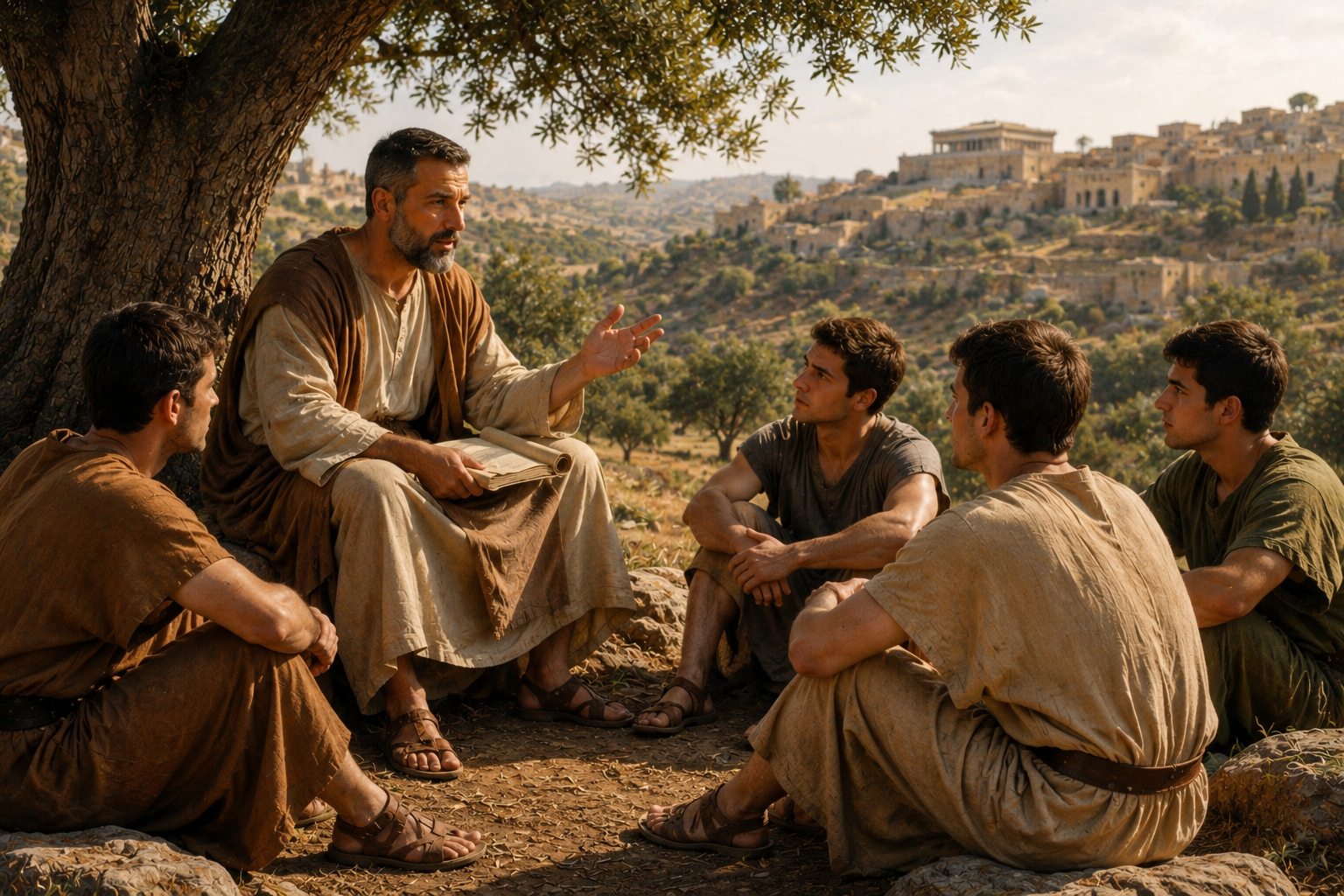
“The proverbs of Solomon the son of David, king of Israel.” The stated purpose is “to know wisdom and instruction; to perceive the words of understanding.” These verses establish that biblical wisdom is moral, practical, and rooted in the fear of God. It is not philosophical speculation but revealed truth applied to life.
Foundation of Wisdom (1:7)
“The fear of the LORD is the beginning of knowledge: but fools despise wisdom and instruction.” This is the foundational principle of the entire book. True knowledge begins with reverence, submission, and obedience to the LORD. A man who rejects God cannot be truly wise.
Warning Against Sinners (1:8–19)
Solomon addresses his son tenderly: “My son, hear the instruction of thy father.” He warns against enticement by sinners who invite participation in robbery and bloodshed. The picture is organized violence for gain. The end is destruction: “their feet run to evil.” Sin promises profit but produces death.
Wisdom’s Public Cry (1:20–33)
Wisdom is personified as crying “in the streets.” She rebukes the simple and warns that those who refuse instruction will face calamity. “Because I have called, and ye refused… I also will laugh at your calamity.” This is not cruelty but righteous justice. Rejected light brings judgment. Yet promise remains: “Whoso hearkeneth unto me shall dwell safely.”
Proverbs 2
The Pursuit of Wisdom (2:1–9)
“If thou wilt receive my words… then shalt thou understand the fear of the LORD.” Wisdom requires earnest seeking—“as silver.” It is not passive. God “giveth wisdom.” Human effort must be joined with divine revelation.
Protection Through Wisdom (2:10–19)
Wisdom delivers from:
- “The way of the evil man”
- “The strange woman” who forsakes covenant faithfulness
The immoral woman represents both literal adultery and the broader danger of moral compromise. Her house “inclineth unto death.”
The Way of the Just (2:20–22)
“The upright shall dwell in the land.” This echoes covenant language from Israel’s inheritance. Righteousness leads to stability; wickedness leads to removal.
Proverbs 3
Trust and Obedience (3:1–12)
“My son, forget not my law.” The well-known exhortation follows:
“Trust in the LORD with all thine heart; and lean not unto thine own understanding.”
True wisdom means dependence upon God, not self-sufficiency. Correction is evidence of divine love: “Whom the LORD loveth he correcteth.”
The Value of Wisdom (3:13–20)
Wisdom is “more precious than rubies.” She was present in creation: “The LORD by wisdom hath founded the earth.” This connects wisdom with God’s ordered design.
Practical Godliness (3:21–35)
Believers are exhorted to:
- Show mercy
- Avoid envy
- Not strive without cause
- Fear the LORD
“The curse of the LORD is in the house of the wicked: but he blesseth the habitation of the just.”
Proverbs 4
Generational Instruction (4:1–9)
Solomon recounts receiving instruction from David. This is a legacy of godly fatherhood. “Get wisdom, get understanding.” Wisdom must be intentionally acquired.
Two Paths (4:10–19)
The chapter contrasts:
- “The path of the just” — “as the shining light”
- “The way of the wicked” — “as darkness”
There are only two moral directions. No neutrality exists.
Guarding the Heart (4:20–27)
“Keep thy heart with all diligence; for out of it are the issues of life.”
The heart (inner man) governs speech, sight, direction, and steps. Spiritual discipline is preventative holiness.
Key People and Places
Solomon — Son of David, king of Israel. Known for God-given wisdom (1 Kings 3). Human author under divine inspiration.
David — Referenced as Solomon’s father (4:3). Model of instructing the next generation.
The “Strange Woman” — Represents moral seduction and covenant unfaithfulness.
The Streets and Gates — Wisdom is portrayed crying publicly. Truth is not hidden; it is openly proclaimed.
The Land — Symbol of covenant blessing and stability for the righteous.
Main Doctrinal or Spiritual Themes
1. The Fear of the LORD
The foundational doctrine of wisdom. Reverent submission to God is the beginning of knowledge.
2. Moral Accountability
Choices bring consequences. Sin leads to destruction; righteousness brings life.
3. Parental Responsibility
God ordains fathers and mothers as primary instructors in wisdom.
4. Separation from Evil
Believers must reject sinful companionship and immoral influence.
5. Divine Correction
Chastening is proof of God’s love.
6. The Two Ways
Consistent biblical theme: the way of the righteous versus the way of the wicked.
Practical Applications or Lessons
- Reverence God First
True understanding begins with submission to Scripture and obedience to the LORD. - Choose Companions Carefully
Sin often spreads through association. - Seek Wisdom Diligently
Study, prayer, and instruction are necessary for spiritual growth. - Trust God Over Self
Reject pride and self-reliance. - Guard the Heart
Monitor influences, thoughts, and desires. - Accept Correction
Spiritual maturity includes welcoming God’s discipline. - Walk in the Light
Consistent obedience brings increasing clarity and stability.
Comments are closed