The Passage
Numbers 16:36–38 (KJV)
And the LORD spake unto Moses, saying,
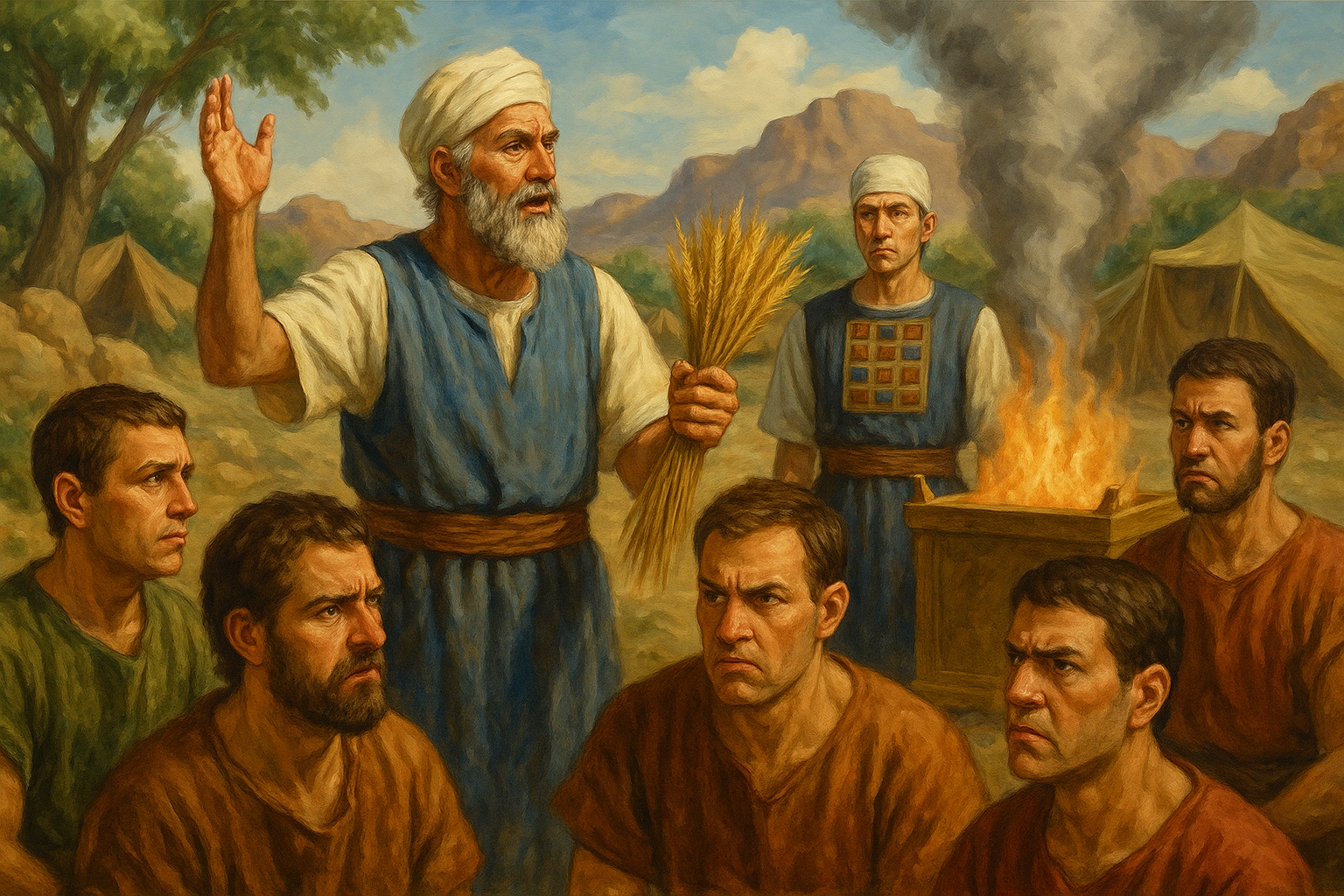
Speak unto Eleazar the son of Aaron the priest, that he take up the censers out of the burning, and scatter thou the fire yonder; for they are hallowed.
The censers of these sinners against their own souls, let them make them broad plates for a covering of the altar: for they offered them before the LORD, therefore they are hallowed: and they shall be a sign unto the children of Israel.
Meaning of “Hallowed” in This Context
The word hallowed here simply means set apart or made holy for sacred use.
Even though the men were wicked, their censers (the small firepans used to carry incense) had been presented before the LORD in an act of worship. Once something is used in connection with God’s sanctuary and His worship, it becomes sanctified — not because of the moral worth of the person, but because of its contact with holy service.
Theological Principle
This is an important biblical pattern:
-
Holiness can be ceremonial — belonging to God’s service even if the user is unworthy.
-
It doesn’t mean God accepted their worship; in fact, He judged them.
-
But because those censers had been offered before Him, they were not to be reused for ordinary or profane purposes.
-
Instead, they were melted and hammered into plates to cover the altar, turning their rebellion into a permanent reminder of God’s holiness and judgment.
Lesson and Symbolism
-
God’s holiness is absolute.
Even objects used wrongly in His presence are to be treated with reverence once sanctified. -
Judgment doesn’t erase consecration.
The men died for sin, but the objects had touched the altar of God — that contact made them sacred. -
A lasting sign.
The bronze plates from those censers covered the altar as a visible warning that only those God appoints may approach Him in priestly service.
In short:
The censers were hallowed because they had been presented before God in His worship — not because of the men who used them, but because of the sacred nature of their use and God’s unchanging holiness.
How does this relate to false religions offering things and wrong acts (self immolation, crawling up mountain roads and stairs on broken glass, whipping themselves bloody) offering it to “Jesus?”
1. God Rejects Offerings Not Made According to His Word
In Numbers 16, Korah and his followers offered incense before the LORD, just as Aaron did.
The difference?
God had not authorized them to do it.
Numbers 16:40 KJV — “That no stranger, which is not of the seed of Aaron, come near to offer incense before the LORD; that he be not as Korah, and as his company.”
Even though they offered something to God, it was in disobedience.
Their offering was real, but it was unacceptable, because it was not according to truth or God’s order.
That principle carries straight into the New Testament.
John 4:24 — “God is a Spirit: and they that worship him must worship him in spirit and in truth.”
2. False Religion Often Mixes Sincerity with Error
Many people perform painful, dramatic, or emotional rituals — thinking they honor Jesus — but those actions are not found in the Word of God.
They may have sincere zeal, but zeal without truth is dangerous.
Romans 10:2–3 KJV — “For I bear them record that they have a zeal of God, but not according to knowledge.
For they being ignorant of God’s righteousness, and going about to establish their own righteousness, have not submitted themselves unto the righteousness of God.”
Self-torture, pilgrimages, or human suffering as atonement are forms of self-righteousness — attempts to earn what Christ already paid for.
3. The Difference Between True and False “Offerings”
| True Worship | False Worship |
|---|---|
| Based on God’s Word | Based on human imagination or tradition |
| Motivated by love and obedience | Motivated by fear, guilt, or superstition |
| Honors Christ’s finished work on the Cross | Tries to add to or repeat the work of Christ |
| Glorifies God’s grace | Glorifies human effort |
Just as the censers of Korah’s men were used in the name of the LORD but rejected, so are all acts and rituals offered to “Jesus” that contradict the Gospel. They may use His name, but they deny His finished work by their actions.
Matthew 7:22–23 — “Many will say to me in that day, Lord, Lord, have we not prophesied in thy name? … and in thy name done many wonderful works?
And then will I profess unto them, I never knew you: depart from me, ye that work iniquity.”
4. Why God Still Uses These Examples
Notice: God did not ignore the censers — He turned them into a warning.
Likewise, the extremes of false religion remind us how easily mankind corrupts worship when it’s not grounded in Scripture.
Those who whip themselves, crawl on stones, or burn themselves “for Jesus” become modern symbols of the same truth:
God is holy — and He will not accept offerings or worship that deny His Son’s finished work or His revealed Word.
5. The True Offering God Accepts
Romans 12:1 KJV — “Present your bodies a living sacrifice, holy, acceptable unto God, which is your reasonable service.”
True worship is not in hurting the body, but in yielding the heart.
It’s living in obedience, gratitude, and faith in the once-for-all sacrifice of Christ.
Hebrews 10:14 — “For by one offering he hath perfected for ever them that are sanctified.”
In summary:
Just as God rejected the incense of unauthorized men in Numbers 16, He rejects every act of “worship” — no matter how sincere or painful — that is not based on His truth and Christ’s finished work.
False religion imitates devotion, but only obedience and faith make an offering truly holy.
Comments are closed