Chapter Summaries
1 Chronicles 18
 David’s kingdom is firmly established by the LORD. He subdues surrounding enemies—Philistines, Moabites, Zobah, Syrians—and dedicates the spoils unto the LORD. The chapter emphasizes that “the LORD preserved David whithersoever he went” (cf. v.6, KJV), showing divine favor and covenant faithfulness. David’s administration is orderly and just, with officers appointed for civil and religious order.
1 Chronicles 19
Ammon’s king Hanun humiliates David’s messengers, provoking war. The Ammonites hire Syrian allies, but the LORD gives Israel victory under Joab and Abishai. The Syrians are decisively defeated, and peace follows. The chapter highlights the seriousness of dishonoring God’s anointed and the unity and courage required among God’s people in conflict.
1 Chronicles 20
David’s victories continue: Rabbah is taken, and formidable giants descended from the sons of the giant are defeated. The narrative underscores that Israel’s triumphs are not by human strength alone but by the LORD’s power working through faithful servants. The chronicler stresses God’s ongoing deliverance of His covenant people.
1 Chronicles 21
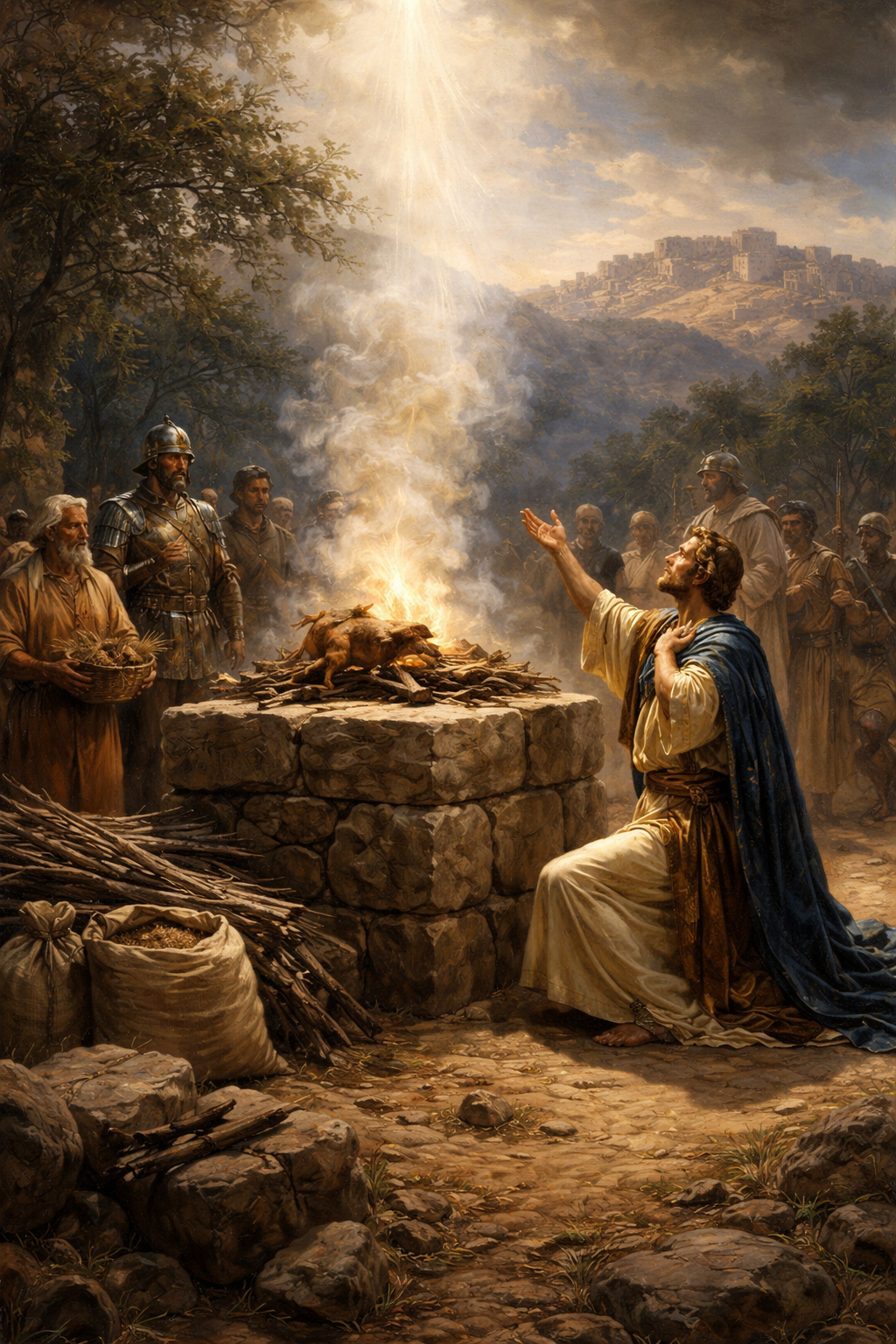
David sins by numbering Israel. Though Joab objects, David persists. The LORD is displeased, and a severe judgment follows: David chooses to fall into the hand of the LORD rather than men, resulting in a devastating plague. When David repents, the LORD halts judgment at the threshingfloor of Ornan the Jebusite. David builds an altar, offers sacrifice, and God answers by fire. This site becomes significant for future worship, pointing toward God’s mercy and the necessity of atonement.
Key People and Places
- David — God’s chosen king; victorious yet accountable to God.
- Joab — Military leader; shows discernment in opposing the census.
- Abishai — Faithful warrior assisting in battle.
- Hanun — Rejects David’s kindness, leading to war.
- Jerusalem — Political and spiritual center of the kingdom.
- Ornan’s threshingfloor — Place of sacrifice and mercy, later tied to temple worship.
Main Doctrinal or Spiritual Themes
- God’s Sovereign Preservation — Victory and stability come from the LORD, not human might.
- Consequences of Sin — Even godly leaders face discipline when they disobey.
- Mercy Through Sacrifice — Judgment is stayed through repentance and atoning sacrifice.
- Covenant Faithfulness — God keeps His promises to Israel despite human failure.
- Proper Worship — God determines how and where He is to be approached.
Practical Applications or Lessons
- Depend on God, Not Numbers — Trust in the LORD rather than visible strength or resources.
- Leadership Accountability — Those in authority must walk humbly and obediently before God.
- Respond Quickly to Conviction — True repentance seeks God’s mercy without excuse.
- Honor God’s Servants and Purposes — Disrespect toward what God appoints invites judgment.
- Value Sacrificial Worship — Genuine worship costs something and flows from a contrite heart.
Comments are closed