Chapter Summaries
Psalm 69 — The Suffering Servant and Righteous Zeal
Major Flow of the Text:
 Psalm 69 is one of the clearest Messianic psalms in the Psalter. It is attributed to David, yet its language reaches far beyond David’s personal experience and prophetically points to Christ.
- The psalm opens with deep distress:
“Save me, O God; for the waters are come in unto my soul” (69:1).
David portrays overwhelming affliction—“deep mire,” “deep waters,” and “the floods.” - He speaks of being hated “without a cause” (69:4), a phrase directly applied to Christ in John 15:25.
- Verse 9 declares,
“The zeal of thine house hath eaten me up.”
This is fulfilled when Christ cleansed the temple (John 2:17). - Verse 21:
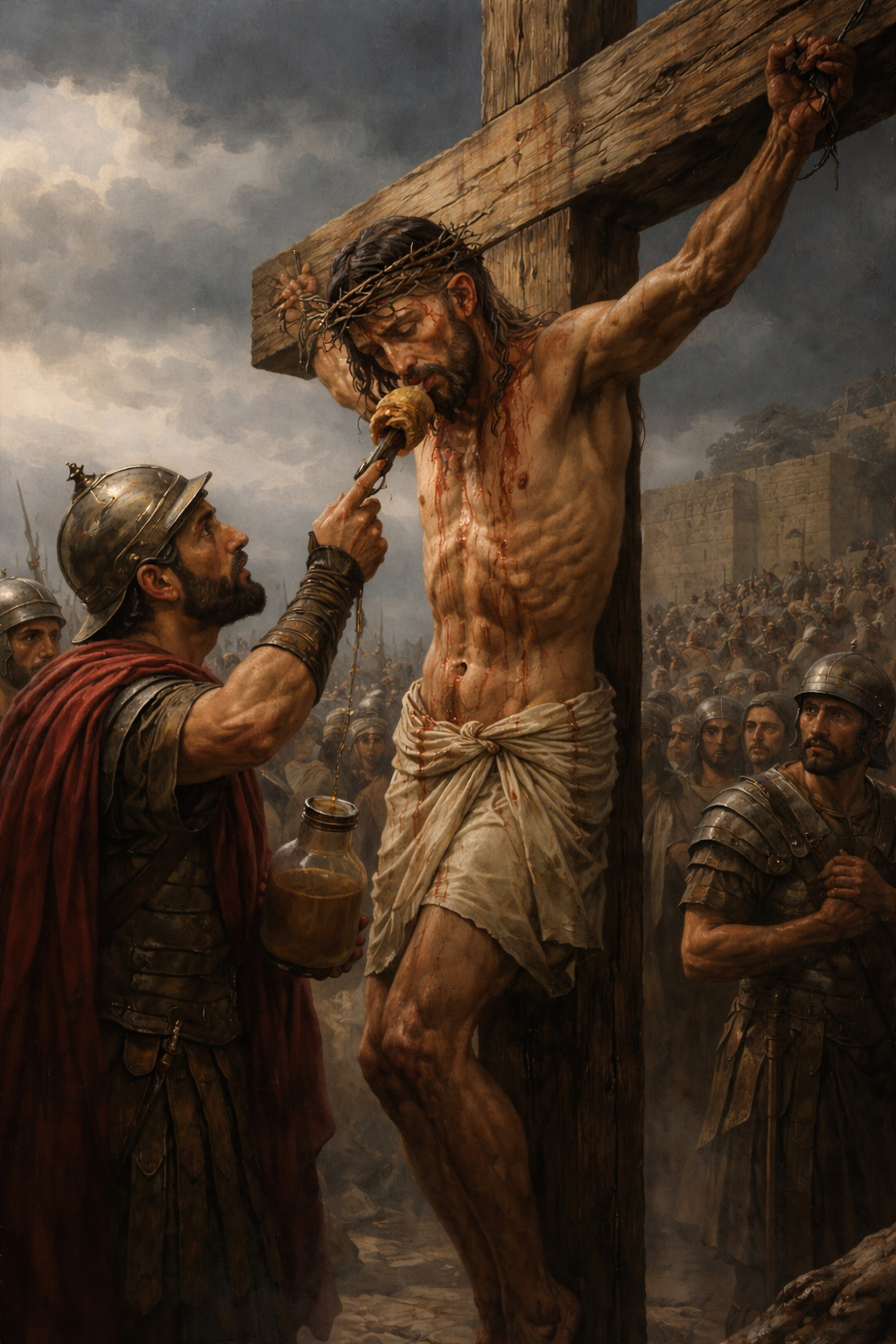
“They gave me also gall for my meat; and in my thirst they gave me vinegar to drink.”
This was fulfilled literally at Calvary (Matt. 27:34).
The latter half turns imprecatory, calling for righteous judgment upon the enemies of God (69:22–28). The psalm ends with confidence in God’s salvation and Zion’s restoration (69:35–36).
Doctrinal Background:
This psalm shows substitutionary suffering and the righteous hatred of sin. It affirms God’s justice and prophetic foreknowledge.
Psalm 70 — Urgent Prayer for Deliverance
A brief psalm (nearly identical to Psalm 40:13–17), this is a cry for immediate help:
- “Make haste, O God, to deliver me” (70:1).
- The enemies are again shamed.
- The righteous rejoice in the Lord (70:4).
- It closes: “I am poor and needy: make haste unto me, O God.”
This psalm emphasizes urgency in prayer and dependence upon God alone.
Psalm 71 — Trust in Old Age
Though unattributed, the tone resembles David in later years.
- Confidence from youth: “By thee have I been holden up from the womb” (71:6).
- Concern over aging: “Cast me not off in the time of old age” (71:9).
- Enemies still speak against him.
- The psalm closes with praise and expectation of continued testimony:
“My tongue also shall talk of thy righteousness all the day long.” (71:24)
Spiritual Insight:
God’s faithfulness spans a lifetime. Aging saints remain useful and dependent upon Him.
Psalm 72 — The Reign of the Righteous King
A psalm “for Solomon,” but prophetically far greater than Solomon. It describes the ideal Davidic King.
- He judges in righteousness (72:1–4).
- His dominion extends “from sea to sea” (72:8).
- Nations bow before Him (72:11).
- He delivers the needy and poor (72:12–14).
- His name endures forever (72:17).
This clearly anticipates Messiah’s millennial reign. It closes Book II of Psalms:
“Blessed be the LORD God, the God of Israel, who only doeth wondrous things.” (72:18)
Doctrinal Significance:
This supports a literal future reign of Christ on earth.
Psalm 73 — The Problem of Prosperous Wickedness
This begins Book III of Psalms and is attributed to Asaph.
- Opening declaration: “Truly God is good to Israel” (73:1).
- Yet Asaph nearly stumbled when observing the prosperity of the wicked (73:2–12).
- He struggled with apparent injustice.
- The turning point: “Until I went into the sanctuary of God; then understood I their end.” (73:17).
- He realizes their prosperity is temporary; their destruction is certain.
- The psalm ends in renewed devotion:
“It is good for me to draw near to God.” (73:28).
Spiritual Insight:
Perspective comes through worship and entering God’s presence.
Key People and Places
- David — Author of Psalms 69–70; persecuted king and prophetic type of Christ.
- Solomon — Immediate subject of Psalm 72, but typological of Christ.
- Asaph — Levite musician; author of Psalm 73.
- Zion — Mentioned in Psalm 69; symbol of God’s dwelling and covenant faithfulness.
- Sanctuary of God — Central turning point in Psalm 73; place of spiritual clarity.
- Nations / Kings of Tarshish and Sheba (Psalm 72) — Represent global dominion of Messiah.
Main Doctrinal or Spiritual Themes
- Messianic Suffering (Psalm 69)
Clear prophetic fulfillment in Christ’s rejection and crucifixion. - Imprecatory Justice
God’s righteous judgment upon persistent rebellion. - Dependence in Distress
The believer’s only refuge is the Lord. - Perseverance in Old Age (Psalm 71)
Lifelong faithfulness of God. - Millennial Kingdom (Psalm 72)
Literal reign of Christ in righteousness and peace. - Sanctuary Perspective (Psalm 73)
Spiritual clarity comes from worship and proximity to God. - The Temporary Prosperity of the Wicked
Earthly success does not equal divine favor.
Practical Applications or Lessons
- Christ Understands Rejection
Psalm 69 assures believers that suffering for righteousness aligns us with Christ. - Pray Urgently and Specifically
Psalm 70 teaches boldness and immediacy in prayer. - Finish Well
Psalm 71 encourages older believers to continue proclaiming God’s righteousness. - Long for Christ’s Reign
Psalm 72 directs our hope toward the coming righteous King. - Do Not Envy the Wicked
Psalm 73 warns against judging by outward prosperity. - Go to the Sanctuary
When confused or discouraged, seek God’s presence through worship and Scripture. - Draw Near to God
The ultimate conclusion: “God is the strength of my heart, and my portion for ever.” (73:26)
Comments are closed