Chapter Summaries
Deuteronomy 14 – Separation and Sanctification
 Israel is reminded that they are a “holy people unto the LORD thy God” (v. 2). God calls them to be distinct from the heathen nations, forbidding pagan mourning practices and commanding dietary separation.
-
Clean and unclean animals are listed again, reinforcing earlier Levitical laws (Leviticus 11). The purpose was not merely health but spiritual distinction — to remind Israel that holiness touches every part of life, even daily eating.
-
Tithing is commanded: a tenth of increase is to be eaten before the Lord in the chosen place (Jerusalem). The people were to rejoice and remember God’s provision. If the distance was too great, they could convert the tithe to money, bring it, and spend it for food and rejoicing before the Lord (vv. 24–26).
-
Every third year, a special tithe was stored locally for the Levite, stranger, fatherless, and widow, displaying God’s compassion and Israel’s social responsibility.
Deuteronomy 15 – Release and Charity
The chapter introduces the year of release: every seven years, debts among Israelites were to be canceled (v. 1). This taught mercy, equality, and dependence on God’s continual blessing.
-
The Lord promised abundance if they obeyed, saying “there shall be no poor among you” (v. 4). Yet He also recognized fallen human nature — “the poor shall never cease out of the land” (v. 11) — commanding open-handed generosity.
-
Hebrew servants were to be freed in the seventh year and sent away with provisions (v. 13–14). If they loved their master, they could willingly stay, marked by a pierced ear — a picture of voluntary lifelong service, often seen as typological of Christ’s obedience and the believer’s devotion.
-
The chapter closes with the sanctification of the firstborn males of herd and flock as belonging to the Lord (v. 19), linking stewardship with worship.
Deuteronomy 16 – God’s Appointed Feasts and Justice
Three key feasts are commanded for all males to observe:
-
Passover and the Feast of Unleavened Bread — remembering deliverance from Egypt.
-
Feast of Weeks (Pentecost) — celebrating harvest and gratitude.
-
Feast of Tabernacles — rejoicing for God’s provision through the wilderness.
These feasts united Israel in worship and memory of God’s grace.
The chapter concludes with instructions for righteous judgment: appointing judges and officers in every city (v. 18) who must “not respect persons, nor take a gift.” Idolatrous groves and images are strictly forbidden (vv. 21–22).
Deuteronomy 17 – Authority and Obedience
God reaffirms the sanctity of proper worship — no blemished sacrifices (v. 1) and no idolatry (v. 2–7), punishable by death on the testimony of two or three witnesses.
-
Difficult civil or ceremonial cases were to be taken to the Levitical priests and judges at the central sanctuary (vv. 8–13), and their ruling was binding — underscoring divine order and accountability.
-
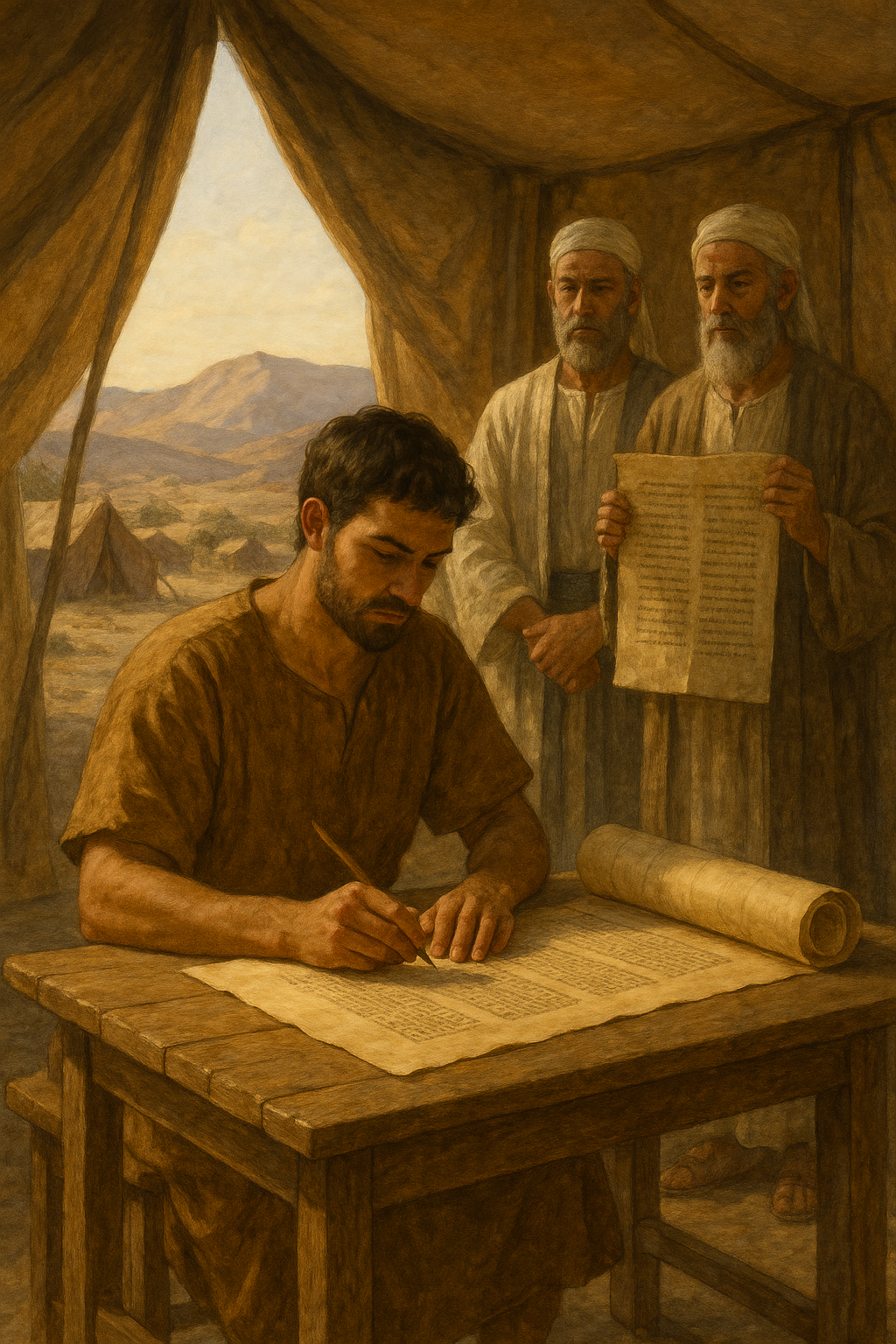
Finally, Moses outlines the future role of the king (vv. 14–20). Though Israel had no king yet, God foresaw their request. The king must be an Israelite chosen by God, not multiply horses, wives, or riches, nor lead the people back to Egypt. He was to write a copy of the law, read it daily, and fear the Lord — a powerful reminder that true leadership begins in submission to God’s Word.
Key People and Places
-
Moses — God’s spokesman delivering final instructions before Israel enters Canaan.
-
The Levites — Priestly tribe supported by tithes; guardians of worship and justice.
-
The Poor, Stranger, Fatherless, and Widow — Recipients of God’s compassion and Israel’s charity.
-
Jerusalem (the chosen place) — Though unnamed yet, this anticipates the permanent worship center established later.
-
The Future King — A prophetic type anticipating both Israel’s monarchy and, ultimately, the righteous reign of Christ.
Main Doctrinal or Spiritual Themes
-
Separation and Holiness — God’s people are to be distinct from the world (14:2). Holiness is both positional and practical.
-
Mercy and Compassion — God’s law built social responsibility into Israel’s economy (15:7–11).
-
Obedience Brings Blessing — Every command carries a promise when obeyed.
-
Remembering Redemption — Feasts serve as continual memorials of deliverance and grace (16:1–17).
-
Divine Order and Authority — Judges, priests, and kings must submit to God’s revealed Word (17:9–20).
-
Scripture Centrality — The king’s daily reading of the law shows that leadership and nation alike must be governed by Scripture.
Practical Applications or Lessons
-
Believers must live distinctly, refusing to blend with the world’s customs and values (Romans 12:2).
-
God’s people should give generously, remembering that everything we possess is entrusted to us by the Lord (2 Corinthians 9:7–8).
-
Christians must remember their redemption, gathering regularly in worship and thanksgiving as Israel did in their feasts (Hebrews 10:25).
-
Justice and integrity remain vital for every leader — “Thou shalt not wrest judgment.” (16:19).
-
God’s Word must rule the heart. Just as Israel’s king was to write and read the law daily, so every believer should be rooted in daily Scripture (Psalm 1:2).
-
Authority is divinely ordered, not man-made; obedience to rightful authority honors God.
Comments are closed