Chapter Summaries
Deuteronomy 22 — Purity, Compassion, and Separation
 This chapter continues Moses’ exposition of the law, emphasizing practical righteousness in community life.
-
Verses 1–4 command care for a neighbor’s property — returning lost animals or helping when another’s ox or ass falls — reflecting obedience that flows from love (cf. Galatians 6:2).
-
Verse 5 forbids cross-dressing: “The woman shall not wear that which pertaineth unto a man, neither shall a man put on a woman’s garment.” This is rooted in God’s created order and distinction between male and female (Genesis 1:27), underscoring separation from pagan or perverse customs.
-
Verses 6–7 command mercy toward the bird and her nest — showing God values compassion even toward small creatures, training His people in kindness and restraint.
-
Verses 8–12 include laws on building safety (a battlement for a new house), purity in agriculture and clothing (not mixing seeds, animals, or fabrics). These symbolize moral separation and holiness in every area of life.
-
Verses 13–30 detail marital purity, addressing accusations of virginity, adultery, and fornication. God defends the innocent and punishes impurity. The seriousness of sexual sin is emphasized, pointing to the sanctity of marriage and the need for truth and chastity among God’s people.
Deuteronomy 23 — Holiness Within the Congregation
This chapter distinguishes who may “enter into the congregation of the LORD.”
-
Verses 1–8 exclude those defiled by pagan or immoral practices (e.g., eunuchs, illegitimate births, Moabites, and Ammonites) from full participation in Israel’s worship community, teaching that sin defiles and separation is necessary.
-
Verses 9–14 give laws for cleanliness in the camp, showing God’s presence requires purity even in daily matters. The latrine instruction (vv. 12–14) shows holiness in practical order: “For the LORD thy God walketh in the midst of thy camp… therefore shall thy camp be holy.”
-
Verses 15–25 concern compassion toward servants (not returning runaway slaves to harsh masters), protection of modesty (no harlot or sodomite in Israel), and integrity in vows. Lending and labor are also regulated with mercy and fairness — emphasizing that God’s people are to live honestly and mercifully before Him.
Deuteronomy 24 — Justice, Mercy, and Family Protection
This chapter outlines principles of social justice with compassion, ensuring righteousness in civil life.
-
Verses 1–4 discuss divorce and remarriage — not endorsing divorce but regulating it to prevent immorality and confusion. Christ later clarifies that this law was given “for the hardness of your hearts” (Matthew 19:8), but “from the beginning it was not so.”
-
Verses 5–13 show concern for individual welfare: newly married men are to stay home a year to bring joy to their wife (v. 5); collateral for debt cannot include tools essential to survival (v. 6, 10–13). This teaches compassion and restraint in business dealings.
-
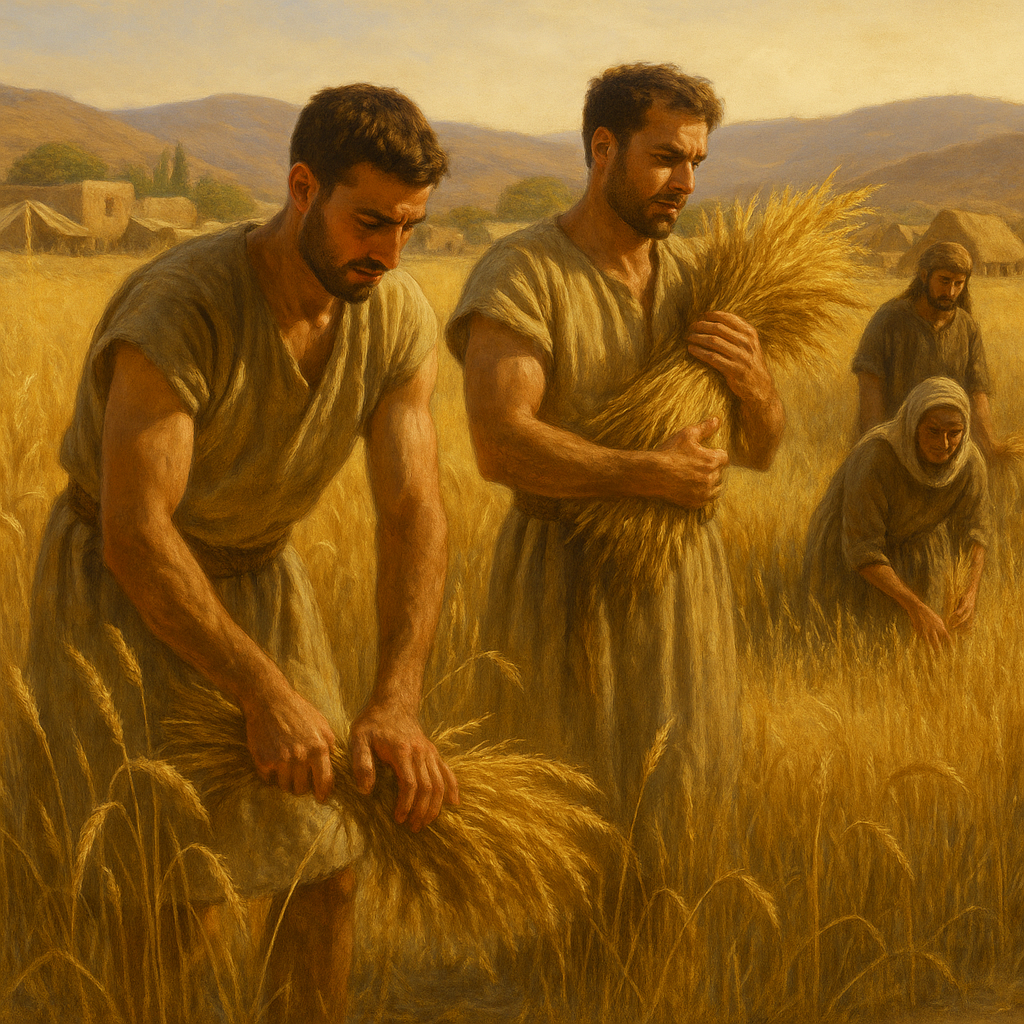
Verses 14–22 defend the poor, widows, orphans, and strangers. Wages must be paid promptly (v. 15). Israel is commanded to remember their own bondage in Egypt and show mercy. The gleaning laws (vv. 19–22) encouraged generosity and social equity grounded in divine compassion.
Key People and Places
-
Moses — the lawgiver reiterating God’s commands to prepare Israel for Canaan.
-
The Congregation of Israel — representing God’s chosen people who must live distinctly and holy.
-
Moabites and Ammonites — neighboring nations excluded due to hostility and idolatry, symbolic of spiritual separation.
-
Canaan — the Promised Land, symbolizing the believer’s inheritance and the necessity of purity before entering.
Main Doctrinal or Spiritual Themes
-
Holiness in Daily Living — God’s law governs both moral and practical life. Even mundane acts (e.g., building a house, handling animals) reflect spiritual obedience.
-
Separation from Sin and Worldliness — The mixing laws (seeds, garments, etc.) teach believers to avoid compromise or blending with ungodly systems (2 Corinthians 6:14–17).
-
The Sanctity of Marriage and Sexual Purity — God designed human relationships to reflect His truth and faithfulness; impurity defiles individuals and nations alike.
-
Compassion and Justice — True holiness is balanced with mercy: care for the weak, fair treatment of workers, and kindness to strangers.
-
Accountability Before God — Whether vows, wages, or family conduct, God’s people answer to Him for their integrity.
Practical Applications or Lessons
-
Live a Separated Life — Christians must maintain clear distinctions between male and female, truth and error, righteousness and sin. Compromise with worldly trends (gender confusion, moral laxity) defies God’s design.
-
Show Compassion in Everyday Matters — God cares about how we treat animals, property, and people. A merciful heart is the mark of true godliness.
-
Guard Moral Purity — In a culture of immorality, believers must uphold chastity, honor marriage, and avoid even the appearance of evil.
-
Be Honest and Fair — Pay debts promptly, keep vows, and refuse to take advantage of others. Business and spiritual life both fall under God’s authority.
-
Remember Deliverance — As Israel was to remember Egypt, Christians must remember their salvation and extend grace to others.
Comments are closed